- Rosemary oil matched 2% minoxidil on hair count in small six-month trials, not 5% minoxidil.
- A 90-day trial found 57.73% faster growth with rosemary-lavender oil versus control.
- Peptide and low-dose oral minoxidil data remain early, small or consensus based.
Two trials put rosemary beside minoxidil 2%, while newer work tested peptides, low dose oral minoxidil and regenerative care. The picture sharpened around the June 2026 guide and a 90 day trial reported before 10 September 2026.
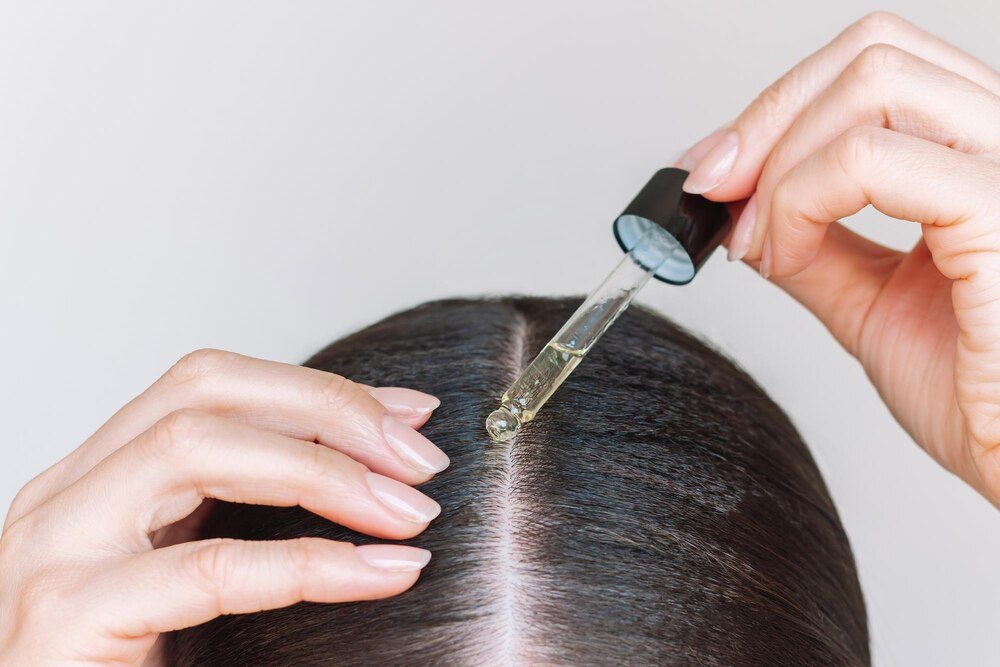
Panahi and colleagues randomized 100 people with androgenetic alopecia to rosemary oil or minoxidil 2% for six months in 2015. Both groups showed significant hair count increases from baseline with no significant difference between groups. Scalp itching was more frequent with minoxidil, at 44.4% against 15% with rosemary, and dandruff was more frequent with minoxidil, at 32.2% against 7.5% with rosemary.
Nasirian and colleagues randomized 60 participants to 2% rosemary oil or 2% minoxidil for 24 weeks in 2020. Hair count rose 10% with rosemary and 13% with minoxidil, with p equals 0.12. The closeness matters, but so does the dose. These trials used 2% minoxidil, not the stronger 5% formulation many adults use, so parity does not mean equivalence to current standard dosing.
The newest rosemary data pairs the plant with lavender and a control. Patel and colleagues randomized 90 participants in 2025 to rosemary-lavender oil, a peptide formulation or control for 90 days. The rosemary-lavender arm improved hair growth rate by 57.73% versus control at p less than 0.0001. The same arm improved thickness by 68.70% and density by about 32% versus control, while shedding fell by more than 40%.
Laboratory work points to one possible path. Murata and colleagues found in 2013 that rosemary leaf extract inhibited 5-alpha reductase by 82.4% at 200 ug per mL and 94.6% at 500 ug per mL in vitro. In the same assay finasteride produced 81.9% inhibition. What happens in glass does not predict what happens on skin.
Peptides sit earlier in the evidence root system. A phase 2A trial of PP405, a peptide that activates hair follicle stem cells, showed statistically significant regrowth in eight weeks among 78 patients. A telogen effluvium study enrolled 45 subjects aged 18 to 45 years in three groups of 15 for 90 days, testing Capilia longa combinations, cytokine and peptide combinations, and redensyl with aminexil at 2 mL once daily. Samples are small, follow up is short and formulas vary.
Low dose oral minoxidil is moving from clinic habit toward shared rules. An international consensus on initiation and monitoring won 4th place as a poster at the 2024 American Academy of Dermatology Annual Meeting. It reported daily ranges of 0.625 to 2.5 mg for adolescent females, 0.625 to 5 mg for adult females, and 1.25 to 5 mg for adolescent and adult males. Efficacy is generally demonstrated between 3 to 6 months. That guidance rests on expert consensus because larger trials are limited. A meta-analysis found platelet rich plasma significantly increased hair count and density versus controls. “Regenerative therapies like PRP have become an important part of how we approach early hair loss, because they harness the body’s own healing signals,” said Dr. Lindsay Bordone, MD, FAAD, dermatologist at Columbia University and the American Academy of Dermatology.
For a slow routine, the tradeoff is plain. Rosemary asks for daily care and patience, with less itch in these trials but without proof of lasting gains after stopping. It is not known whether store oils match standardized preparations or match minoxidil 5% over 12 months.
Watch for larger trials that test standard 5% dosing, named peptide doses and longer follow up.

Shannon Brekke
Shannon edits the news desk and the field guides at Rooting Moss. She keeps a running list of every plant extract that has appeared in a formula this year.
More from Shannon Brekke →