Topicals began with two premed students who knew chronic skin from the inside. Olamide Olowe and Claudia Teng have built a tight, fragrance free range that pairs licorice root and colloidal oatmeal with niacinamide and azelaic acid. We talk roots, testing and slower routines.
Topicals did not start in a lab or a boardroom. It started online in August 2020, and in select Nordstrom stores, with two aluminum tubes that looked playful and felt clinical at once. Olamide Olowe had emailed a retail consultant she found on LinkedIn to get that first door. The tubes sold out and sold out again.
Olowe and Claudia Teng had met through a mutual friend as premed students interested in dermatology. Teng lived with eczema. Olowe lived with hyperpigmentation, pseudofolliculitis and inflammation. Teng had done clinical dermatology research. Olowe had made a line with SheaMoisture in college called SheaGirl. Medicine taught them how skin behaves. Their own skin taught them how it feels.
What they built is now known as skincare for flare ups. The promise is clinically effective, multitasking care for chronic concerns across every shade, tested on the deepest tones first. The range stays small, vegan and cruelty free, fragrance free, packed in aluminum. What others miss is the plant logic inside the playfulness. Licorice root and colloidal oatmeal do steady work beside synthetic actives, chosen because sensitive, reactive skin needs both comfort and clarity.
You talk about meeting through a mutual friend as premed students, both drawn to dermatology because of your own skin. What did those early days teach you that still sits in the formulas?
Our whole goal is, how do we help people transform the way they feel about skin. That sentence has stayed with us since the beginning. Claudia lived with eczema. I lived with hyperpigmentation and pseudofolliculitis and inflammation. People ask you if your rash is contagious. That stays with you.
We were premed because we wanted answers. Claudia had done clinical dermatology research. I had made SheaGirl in college. What we learned is that chronic skin needs steadiness, not a new routine every week. So we formulate for flare ups, not perfect days. We keep fragrance out because we cater to sensitive skin. We combine licorice root and colloidal oatmeal with actives like niacinamide and azelaic acid because comfort and correction have to live in the same tube. You make skin look good, but you also have to make living in it feel calmer.
You launched in August 2020 with Like Butter and Faded, online and in select Nordstrom stores after a cold email on LinkedIn. Why those two textures first?
We wanted to show our thesis in two gestures. Like Butter was the mask that soothes and holds moisture, the one you reach for when skin feels tight and reactive. Faded was the gel for dark spots and uneven tone, the one that brightens the look of what flare ups leave behind.
We pushed the launch twice, once for pandemic supply chain issues and once to support Black Lives Matter. Timing matters. When we finally launched, the response told us we had read the need right. Product sold out in hours. At Nordstrom it sold out multiple times. I remember growing up being super embarrassed to take those out of my bag and have to use them because they look medicinal. We wanted care that works and that you are not embarrassed to carry. Aluminum tubes, groovy type, serious formulas. That contrast was intentional.
Faded has become your bestseller and a Sephora favorite. What does it actually do, and how do you ask people to use it slowly?
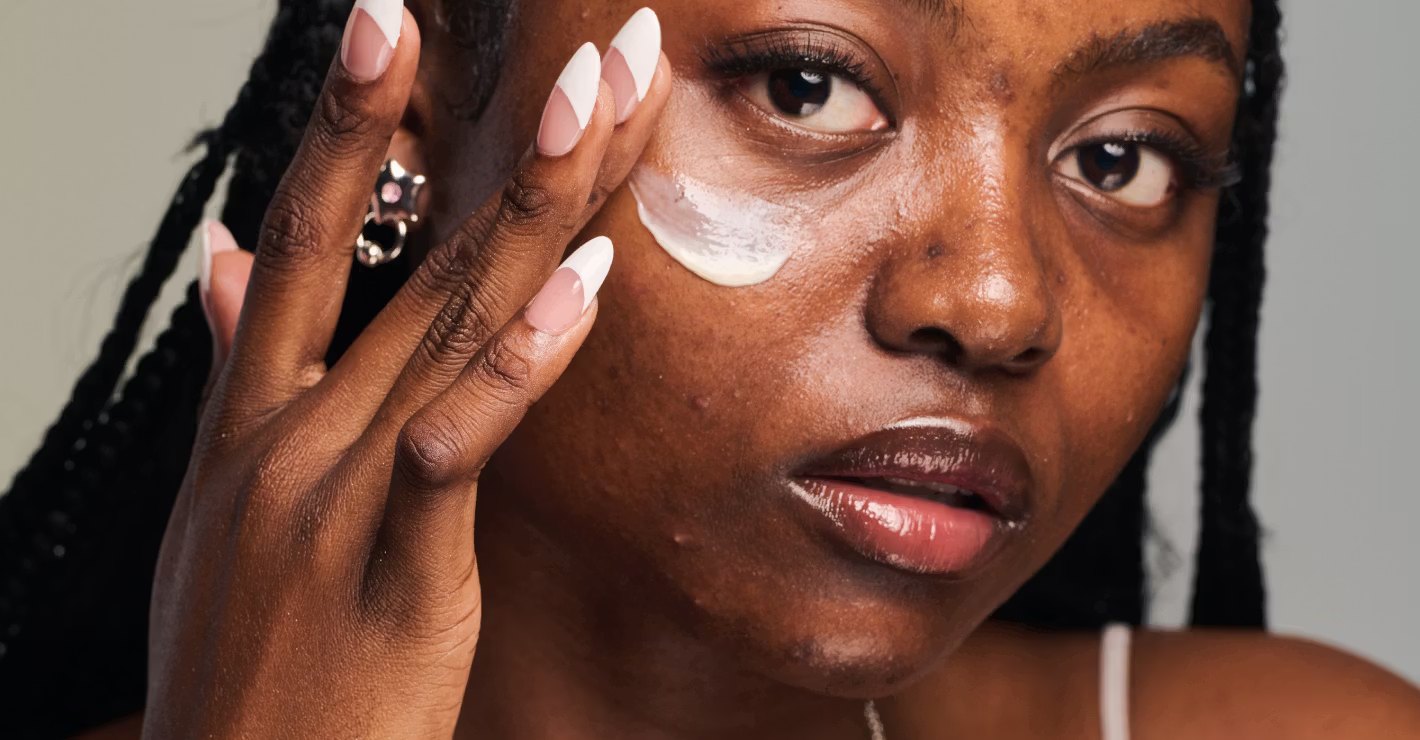
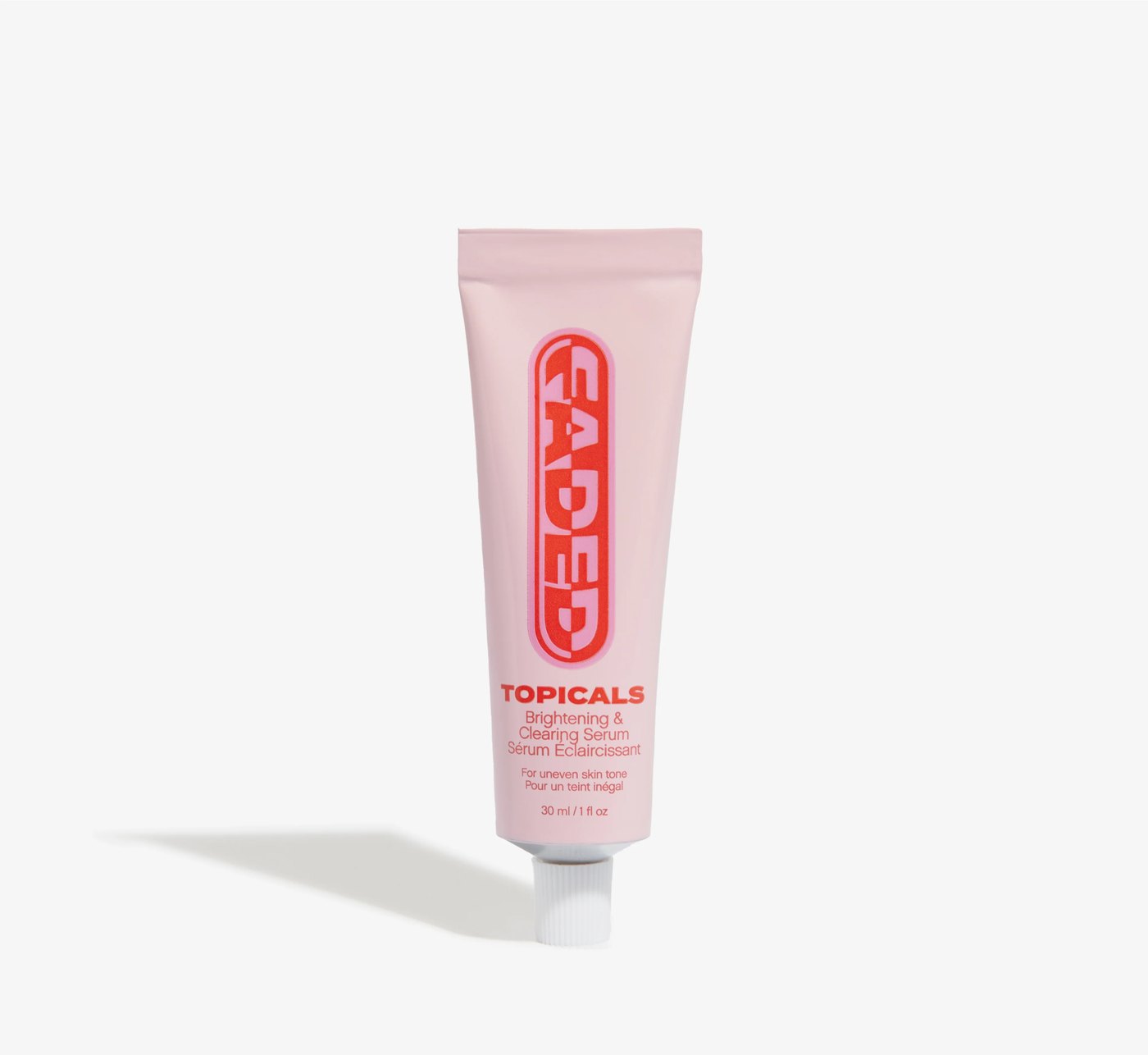
Faded is our brightening and clearing serum for dark spots and uneven tone. You apply it as your serum step, where you see marks and mottled tone. It is our first product ever released. It is still the one people write to us about.
We would rather combine multiple hero ingredients into one powerhouse formula than sell 10 different serums for one concern. Faded brings together niacinamide and azelaic acid with licorice root and other botanicals that support the look of even tone. Licorice root is one of the plants I return to. It has a long history in traditional care for the look of discoloration, and in our formula it sits beside clinical actives so the serum can clarify while still agreeing with sensitive skin. Use a thin layer, once daily at first, then as tolerated. Let it steep in. Sunscreen in the morning helps protect the progress.
Colloidal oatmeal and licorice root appear beside strong actives in your formulas. Why keep those botanicals when you could formulate with synthetics alone?
Because flare prone skin needs plants that steady it. Colloidal oatmeal forms a soft, protective veil that supports moisture and the look of calm. Licorice root supports the look of even tone. They let us use effective levels of synthetics without the routine feeling harsh.
We test on the deepest skin tones first. That choice changes everything. As a personal business decision, was it the smartest decision or the right decision on paper. Probably not. But if a formula agrees with skin that marks easily and is prone to visible post inflammatory color, it is more likely to agree with everyone. Our belief is simple. We would rather formulate from 6 to 1 on the Fitzpatrick scale than treat deeper skin tones as an afterthought. Botanicals help us hold that line. They bring cushion and familiarity to high performance care.
You are a fragrance free brand by rule. What does leaving scent out give back to reactive skin and to the plants you do use?
We are a fragrance free brand because we cater to sensitive skin. That is the whole reason. When skin is in a flare, scent adds risk without benefit. It can irritate and it can mask what is happening.
Leaving it out lets the real ingredients speak. You smell nothing much, which is the point. Then you can notice what licorice root and oatmeal and azelaic acid are doing over weeks. The look of redness softens. Texture looks smoother. Tone looks more even. We would rather make flare ups fun than make skin feel serious, and fun for us is color and voice and community, not perfume. The formula stays quiet so the skin can settle. For people who associate botanical with strong essential oil scent, ours is a different reading of plant led. It is about function, not perfume.
You don’t have to be everything to everyone, but you have to be everything to one.
Olamide Olowe and Claudia Teng
You say you have launched only two to three products a year, about 15 in five years. How does that restraint shape how you harvest ideas?
We have only launched two to three new products a year over the last five years, so we have only launched about 15 products, which is a very tight assortment for a skincare brand, specifically. We are only innovating in spaces where we feel like it is necessary.
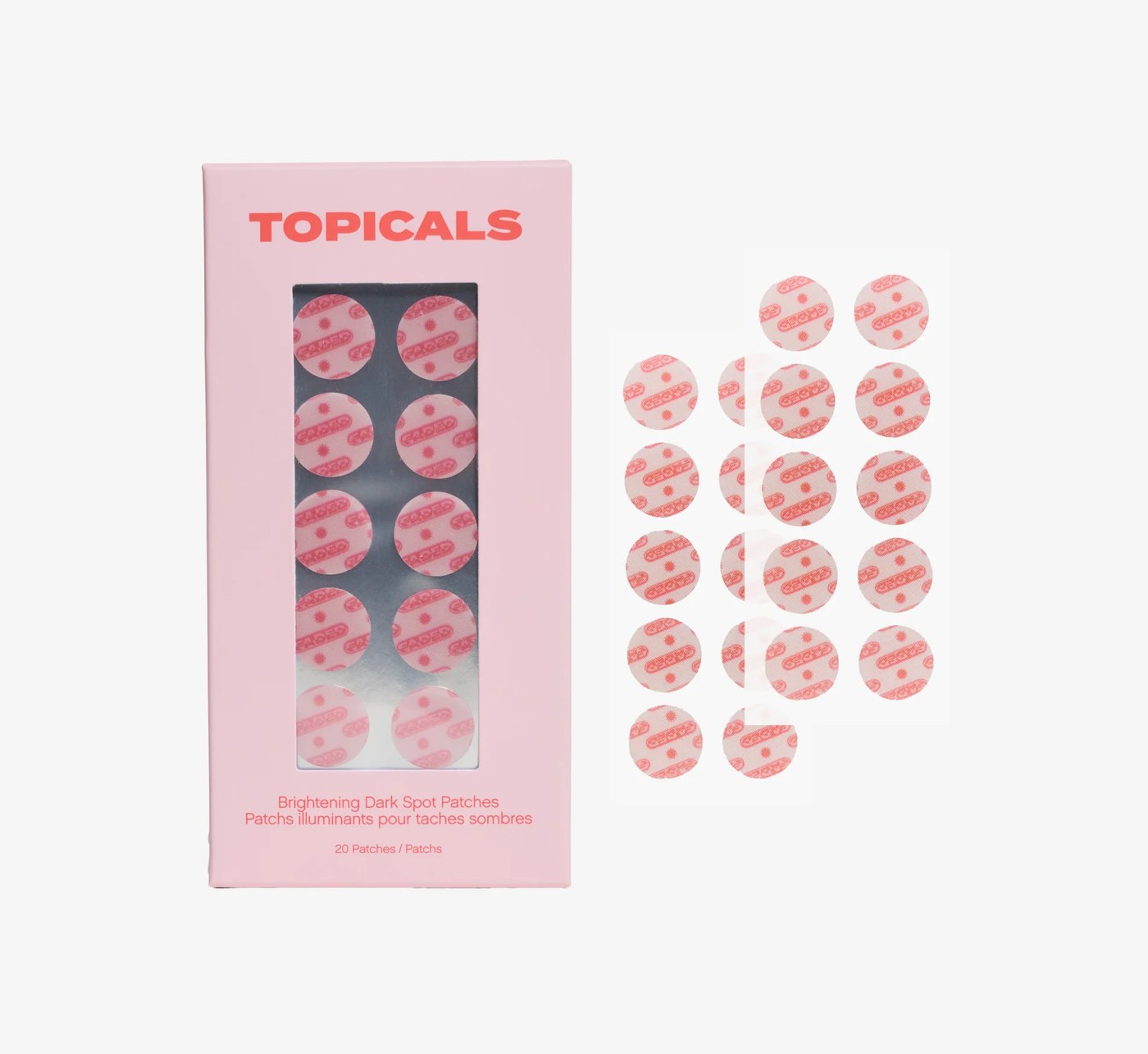
That restraint lets us study one plant or one concern at a time. We do not chase redundancy. We ask where the experience can improve. Faded Dark Spot Patches came from that question. A patch with tranexamic acid that you apply to a post breakout mark for six hours. It softens the look of that one stubborn spot while you sleep or work. The peel pads came from the same field notes. Clinical strength exfoliation to smooth the look of texture, in a swipe. Each addition has to earn its soil. If it does not improve comfort or clarity for chronic skin, we do not plant it.
You pitched for two years to raise your first round, with backing from Issa Rae, Yvonne Orji and Bozoma Saint John. What did that slow raise root in you?
I was really excited as a Black woman to be in a position where our company was highly sought after. It took time to get there. We pitched for two years and secured 2.6 million dollars. The brand raised 2.7 million and sold out in hours after launch.
Our parents were worried that the start up path was risky, but we reassured them that the experience we gained from starting Topicals would make a great application essay to any med school. That makes me smile now. We left medicine but we kept its discipline. Test, observe, record. Being in retail is very difficult because it is expensive. So we learned to be tight. Few formulas, clear claims, real community. You do not have to be everything to everyone, but you have to be everything to one. Our one is Gen Z with chronic concerns across all tones, especially deeper tones that were ignored for too long.
Your language is playful, Funner Flare Ups, Why so serious. How do you keep that voice from hiding the serious work of formulating for eczema, acne and ingrowns?
Play lets people breathe. Chronic skin is heavy. If every tube looks medicinal, you feel like a patient in your own bathroom. We wanted dermatology for the people, with color and humor.
The play sits on top of strict choices. No fragrance. Vegan and cruelty free. Tested on deepest tones first. Multitasking so you do not need a 10 step routine for one concern. We refuse redundant products with no improved experience. We refuse formulating only for lighter tones. Funner Flare Ups means you can tend a spot patch or a serum and still feel like yourself. The ritual matters. Cleanse, treat the mark, moisturize, protect. Same order, same time, slow hands. Plants help set that rhythm. Oat to soften, licorice to brighten the look, azelaic and niacinamide to clarify. Serious science, light touch.

You moved from founder led brand to a small holding company with the Bread Beauty Supply acquisition. What stays rooted as the team grows past 40 people?
The customer stays. The tight assortment stays. The testing order stays, deepest tones first. Sochi Mbadugha as president and Julia Shao as creative director help us hold both rigor and voice as we grow.
Revenues increased threefold in 2021, and we sold one product every minute in 2022. In 2022 we closed our Series A, and I became at 26 the youngest Black woman to raise over 10 million, with total funding around 20 million. Growth can pull you toward more shades of everything. We pull back toward the field we know. Chronic concerns. Fewer, better formulas. Packaging in aluminum that feels good to hold. Education that respects ingredient lists. Whether it is Topicals or Bread inside Cost Of Doing Business, the rule is the same. Only launch where you can improve experience.
If someone is new to Topicals and reads ingredient lists carefully, where should they start and what should they expect in the first month?
Start with Faded. If your concern is scattered dark spots and uneven tone, the serum is the clearest entry. If your concern is one mark that lingers after a breakout, start with the patch and wear it for six hours.
Expect slowness. The first week is about comfort. No sting, no strong scent, makeup sits normally. By week two to four, skin often looks calmer and more even in tone, with smoother looking texture where you exfoliate gently. Take a photo in the same light each week. Keep the routine short so you can tell what is doing what. If you are prone to eczema or very reactive, patch test and introduce one active at a time. Plants do steady work here, but they are not instant. Roots take hold before you see green.
Closing note from the desk
What stays with us is the order of care. Deepest tones first, comfort before clarity, few formulas tended well. Olowe and Teng speak like former premed students who kept the charting habit and dropped the white coat stiffness. The playfulness is real, but it never covers the method.
Topicals set out to make flare ups less lonely and routines shorter. Pairing licorice root and colloidal oatmeal with niacinamide, azelaic acid and tranexamic acid, fragrance free and vegan, in aluminum tubes, is their plain answer to chronic skin. It reads slowly and works steadily, which suits Rooting Moss just fine.
Product spotlight
Faded Brightening + Clearing Serum, 9 dollars. A serum step for dark spots and uneven tone that pairs botanicals including licorice root with niacinamide and azelaic acid. Apply a thin layer to areas of concern as directed, then moisturize. Use sunscreen in the morning to help protect the look of progress.
Faded Dark Spot Patches, 22 dollars. A targeted patch with tranexamic acid for the look of post breakout marks and hyperpigmentation. Apply to a single mark and wear for 6 hours, then remove and continue routine. Best as part of a short, steady regimen.

Erin Dunleavy
Erin produces the interviews: the research, the question lists, the follow-ups. She reads ingredient lists for fun and admits it.
More from Erin Dunleavy →