- AutyFIT Editorial published an evidence review on 21 August 2026 revisiting bakuchiol as a retinol alternative.
- The 2019 head-to-head compared 0.5% bakuchiol twice daily with 0.5% retinol once daily for 12 weeks in 44 participants.
- Both groups improved in wrinkle surface area and hyperpigmentation, with more scaling and stinging reported with retinol.
AutyFIT Editorial published an evidence review on 21 August 2026 that looked again at bakuchiol as a retinol alternative. The piece centered on a 12 week head to head trial from 2019 and called for plainer claims on labels and shelves.
For the reader who finds nightly retinol too harsh, the change is small but useful. The best studied comparison found comparable improvement in signs of photoageing with better tolerance for bakuchiol. That result covers one regimen only. It does not make every bakuchiol serum equal to retinol.
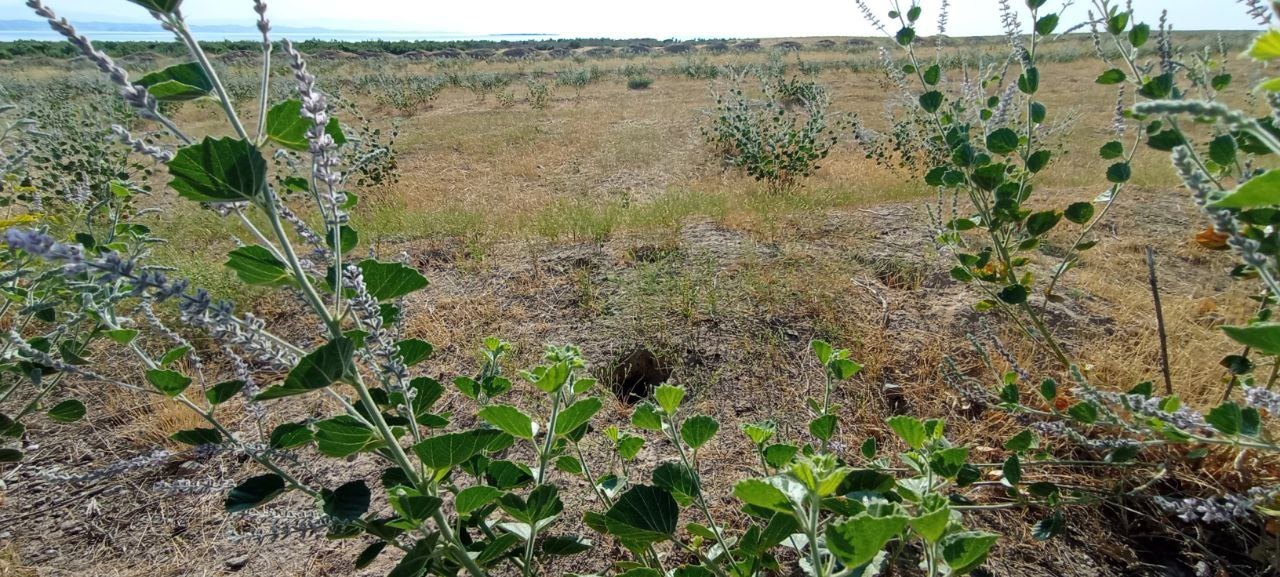
The context starts with the plant. Bakuchiol is a meroterpene phenol associated with the seeds and leaves of Psoralea corylifolia, also called Cullen corylifolium in some references. A seed oil, a low level extract and high purity bakuchiol are different starting materials. The 2020 Pierre Fabre study described its bakuchiol raw material as approximately 95 percent pure.
The trial itself was narrow and specific. It was registered on ClinicalTrials.gov as NCT03112863. It compared 0.5 percent bakuchiol twice daily with 0.5 percent retinol once daily for 12 weeks in 44 participants. Both groups saw significant decreases in wrinkle surface area and hyperpigmentation, with no statistical difference between compounds on those outcomes. One summary described the change as 20 to 30 percent reductions in fine lines and hyperpigmentation.
Tolerance separated the two routines. Participants using retinol reported more facial scaling and stinging than participants using bakuchiol. “Our study demonstrates that bakuchiol is comparable with retinol in its ability to improve photoageing and is better tolerated than retinol,” wrote Chaudhuri and Bojanowski in the British Journal of Dermatology in 2019.
The biology helps explain the interest without overstating it. Retinol converts to retinoic acid in skin and binds retinoid receptors, while bakuchiol does not convert to retinoic acid. Gene expression work from 2014 showed bakuchiol activated downstream collagen boosting pathways while suppressing MMPs that break down collagen. Later summaries point the same way. A review in the Journal of Integrative Dermatology searched PubMed and EMBASE for bakuchiol and photoaging, included seven articles from 2014 to 2021, and concluded bakuchiol demonstrated comparable efficacy and better tolerability than retinol when tested side by side. A 2024 comparative study in the Journal of Cosmetic Dermatology found comparable efficacy for photoaging and hyperpigmentation after 12 weeks with fewer reports of redness and scaling.
What to watch next is sourcing and dose. The head to head used different regimens, so it compared routines rather than gram for gram potency. Product language often blends cell, animal and human findings into one studies show claim, which overstates what cosmetic trials measured. A market analysis by Grand View Research in 2025 projected the global bakuchiol market to expand at a compound annual growth rate of 7.5 percent through 2030, which may bring more formulas with less clarity.
For now, treat bakuchiol as one tended path for sensitive routines, not a full exchange for every retinoid result.

Carrie Ellsworth
Carrie looks after the brands Rooting Moss works with and makes sure every sponsored page says so. She came from the retail side of botanical skincare.
More from Carrie Ellsworth →