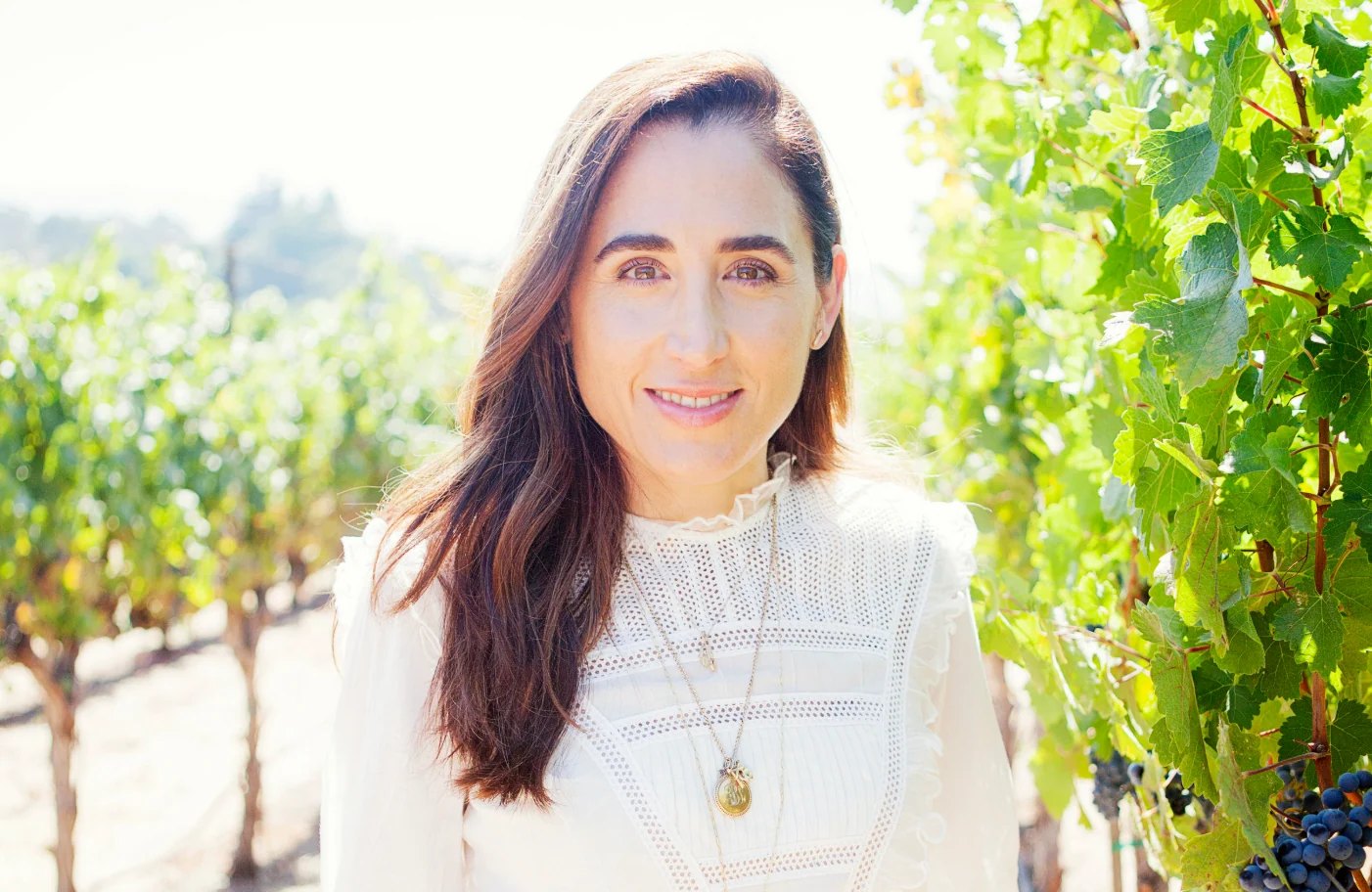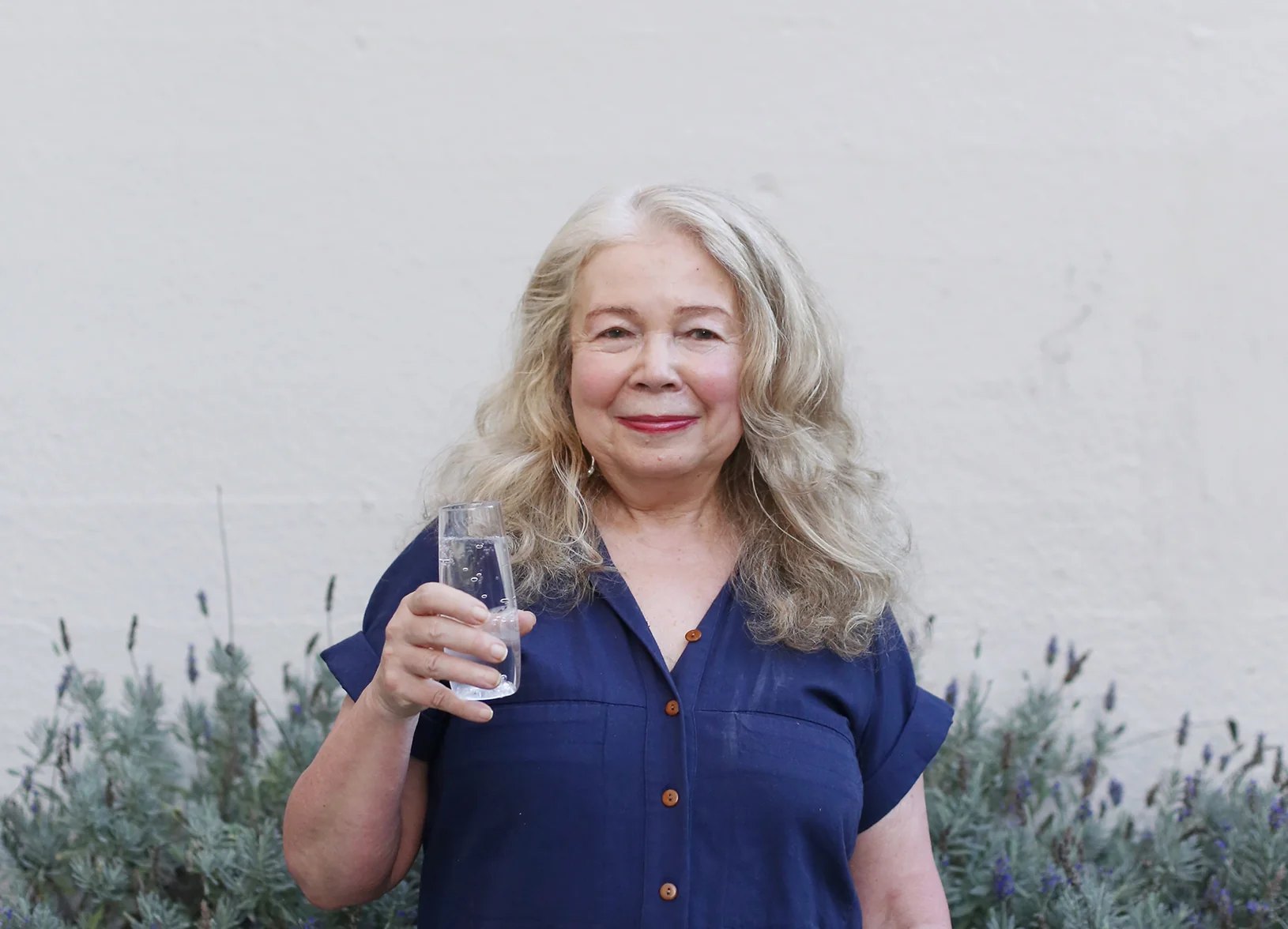
Monastery began in a San Francisco studio after years of severe acne, and it still carries the quiet of Greek monasteries Athena Hewett visited with her mother and grandmother. This is oil skincare made slowly, in small batches, for skin that needs less stripping and more steady care.
San Francisco is where Monastery is blended, bottled and used. The studio and lab sit in the city, with a small team working in house and a treatment room where oils are massaged in by hand. It is a working place before it is a brand image, with amber bottles, warm cloths and the smell of roses and herbs in the air.
Athena Hewett came to that room through her own skin. She became an esthetician at 19 and spent nearly ten years at a medspa as lead esthetician and spa director, using pharmaceutical brands. Then she developed stage three, borderline stage four acne, even with access to strong products and treatments.
What she noticed next shapes everything Monastery makes. She compared ingredient lists and found them nearly the same across brands, with surfactants and preservatives also used in household products. She stopped using all products and water on her face, and in about six weeks had no active acne. From there she returned to her CIDESCO thesis on essential oils and began to formulate again.
What others miss is how literal the ritual stayed. She opened a skincare studio in San Francisco in 2011 to treat patients with oil cleansing and water free moisturizing, refined hundreds of variations over five to six years, and kept six winners chosen by client feedback. The name honors childhood summers in Greece with her mother and grandmother, visiting monasteries. Quite literally, a monastery in Greece.
Thank you Athena. You have said your mother took you to Greece nearly every summer to see your Yiayia and Papou, and that the brand name comes from those monastery visits. What did those places teach you about care that San Francisco later needed.
My mom and I would go out nearly every summer back to Greece to see my Yiayia and Papou. Those trips are still the root of so much for me. The monasteries we visited were simple and quiet. Things were made by hand. There was a sense that beauty came from attention, not from having more.
I went into esthetics not really thinking about becoming an esthetician, but still wanting to be a part of that witchy world I grew up with. My family used plants at home. My grandmother knew what to steep and what to press and what to save. So when I later opened my studio in San Francisco, I wanted that same feeling. A small room. A slow routine. Products that felt made, not manufactured.
Quite literally, a monastery in Greece. That is the inspiration. Monastery is meant to feel like a pause. Less noise. Fewer steps. Good materials handled with respect.
You worked for nearly a decade as a lead esthetician and spa director using pharmaceutical brands, then developed stage three, borderline stage four acne yourself. What did that contradiction force you to see about ingredients.
That time was humbling. I had access to high quality skincare and I knew how to use it. I was doing everything I was trained to do. Still my face went to stage three, borderline stage four acne. It was painful and it changed how I looked at formulas.
I started comparing labels across brands. They looked nearly the same to me. I kept seeing surfactants and preservatives that are also used in household products. I began to wonder if the base of the routine was the problem, not the active. We were stripping and preserving and stripping again, and expecting skin to settle.
In about six weeks, my face went from stage three, borderline stage four acne, to no active acne. What I did was stop. I stopped using all products and water on my face. That rest gave me space to think. It made me want to work with skin and its own healing system, not against it.
You stopped all products and water, then revisited your CIDESCO thesis on essential oils. How did study turn back into practice on real faces.
My thesis had always stayed with me. I had researched essential oils closely, their chemistry and their traditional uses. When my skin calmed from doing nothing, I did not want to return to what had hurt it. I wanted to rebuild from plants and oils that could cleanse without stripping.
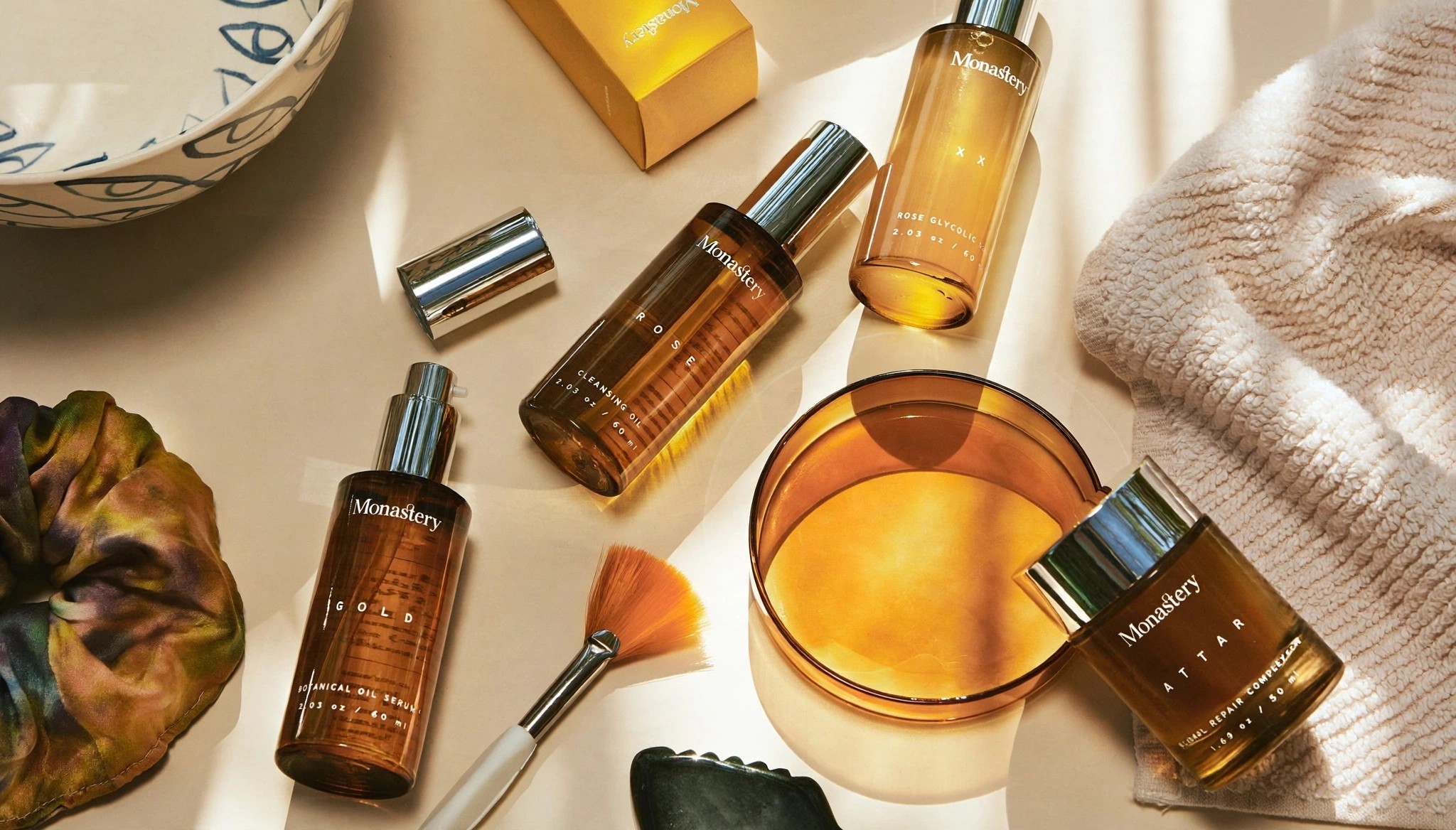
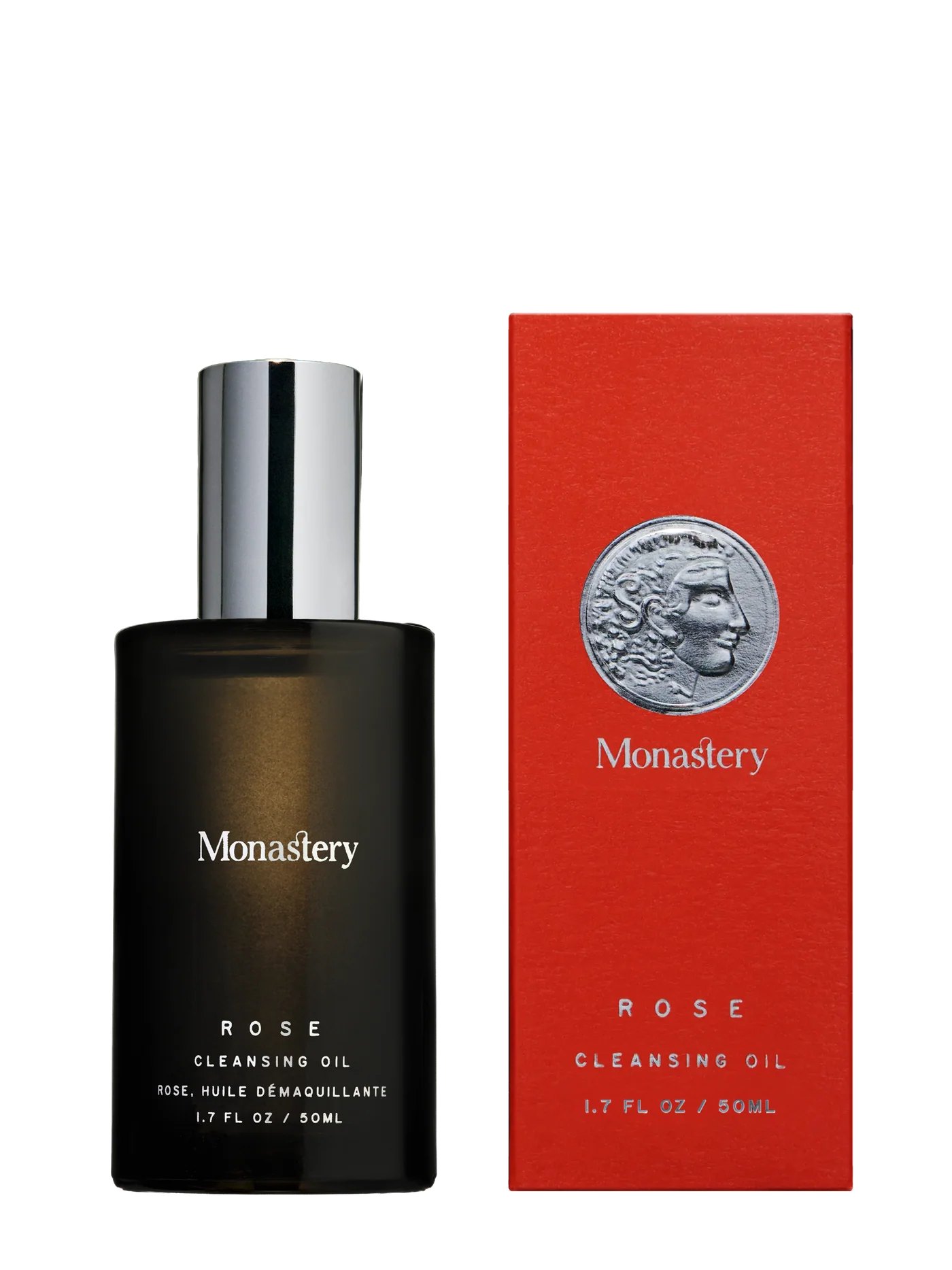
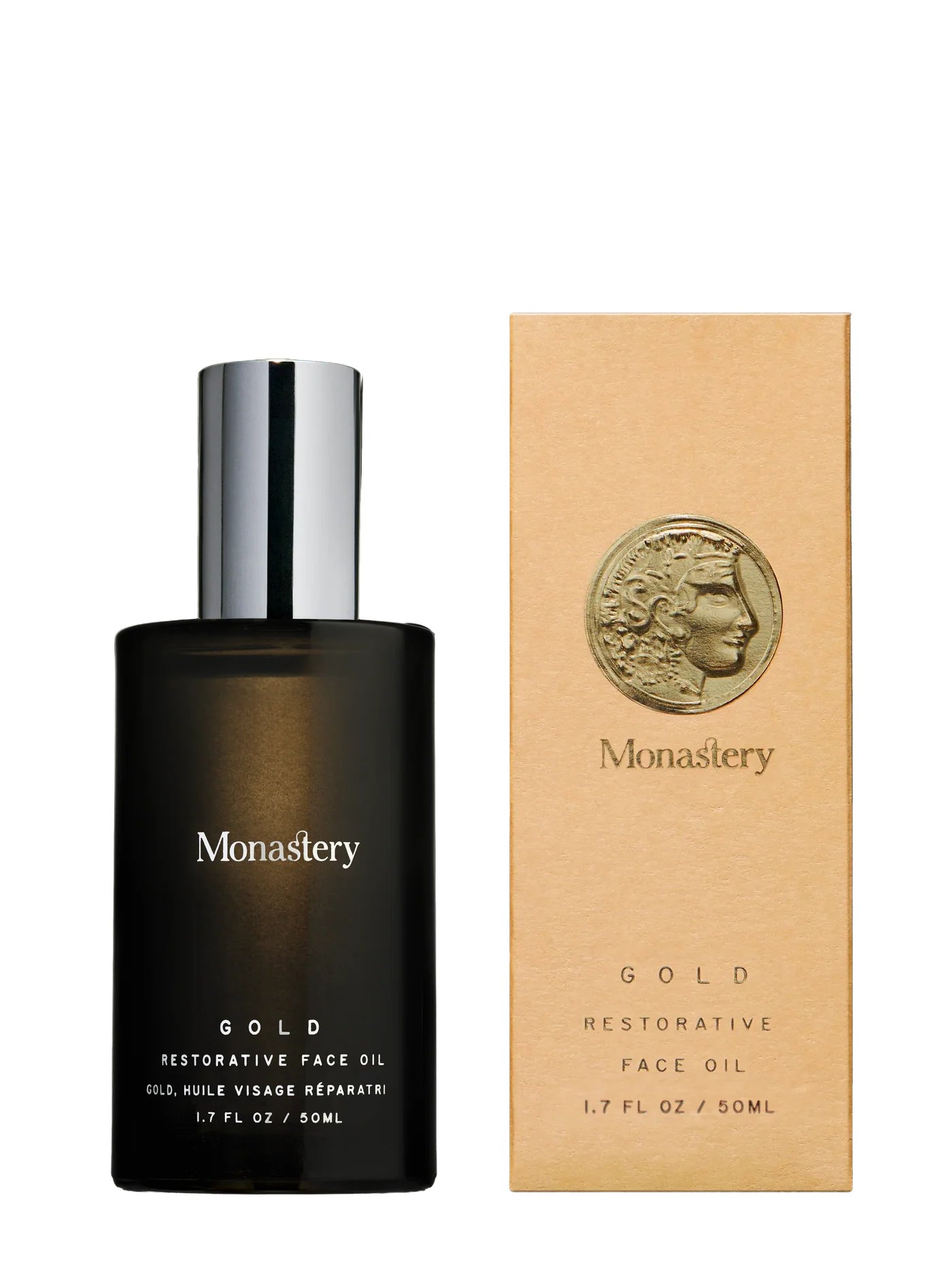
The first product I made was on a day where I specifically had to put sunblock on my face. I needed something that would remove it fully but gently. So I made a large molecule cleansing oil. That became Rose Cleansing Oil. Then I made Gold for pigmentation and scarring, because those were the marks left behind.
In 2011 I opened a skincare studio in San Francisco to treat patients with oil cleansing and water free moisturizing. For five to six years I refined hundreds of variations in a spa setting. I watched how skin responded over weeks, not days. We chose six winners based on client feedback. That is how Monastery started, from the treatment room outward.
Your phrase for this is that cleansing oil removes physically rather than chemically. For a reader new to oil cleansing, what does that feel like in the hand and on the skin.
Our cleansing oil removes physically, rather than chemically. I like people to understand that difference with their hands. You massage the oil onto dry skin. It loosens sunscreen, makeup and the day. It does not foam or sting. Then you remove it with a warm, damp cloth.
There is no squeak. Skin feels soft and intact, not tight. You have not changed the pH or stripped the surface to get clean. You have lifted and wiped away. Then you can nourish with a small amount of oil on damp or dry skin.
I love creating beautiful things. And I get to do it with the best people. For me that beauty includes texture. The oil should pour slowly. It should smell like roses, not perfume. The cloth should be warm. The ritual should take a minute, morning and night, and leave you calm.
You have said you usually fall in love with a singular ingredient and then make a product around that one ingredient. Which plant started Gold, and what did it ask of the rest of the formula.
I usually fall in love with a singular ingredient and then make a product around that one ingredient. With Gold, that love was about repair in appearance. After acne I had pigmentation and scarring, and I wanted oils that would support a more even looking tone while keeping dry skin comfortable.
I work with rose and red raspberry seed oil among others because they feel exquisite and they carry their own character. Red raspberry seed oil brings a dry, soft slip that layers well. Rose brings the scent and the sense of care that makes people slow down. Around a lead ingredient, I build quietly. A little support for the look of firmness. A little support for softness. Nothing extra.
That less is truly more. But with less, make it absolute top quality. If there are only a few oils in the bottle, each one has to earn its place. Each one has to be fresh, well sourced and well balanced.
That less is truly more. But with less, make it absolute top quality.
Athena Hewett
You refuse tea tree oil, fillers, chemical emulsifiers, surfactants and preservatives, and you work without water heavy, alcohol heavy and salt heavy routines. What does that refusal cost, and what does it protect.
It costs more, in money and in time. Natural skincare is waaaaay more expensive to create than synthetic and that is why there is so much synthetic lab skincare out there. Good plant oils cost more. They vary by harvest. They need careful storage. They do not let you hide behind texture makers.
What it protects is simplicity. Oils are among the most potent, healing, and exquisite forms of natural ingredients. When you do not use fillers of any kind, what is in the bottle is what touches skin. When you do not use chemical emulsifiers or surfactants, you are not asking skin to meet a foaming system every day.
I also refuse tea tree oil because I find it too harsh for the faces I see. My clients are often acne prone and dry or sensitive at the same time. They need steady cleansing and steady nourishment. Healing Botanical Skincare is our phrase because that is the work, to heal, repair, and nourish itself with fewer, better steps.
You blend in house in San Francisco and you speak of products made by hand. Walk us through a batch, from steep to bottle, and how you know it is ready.
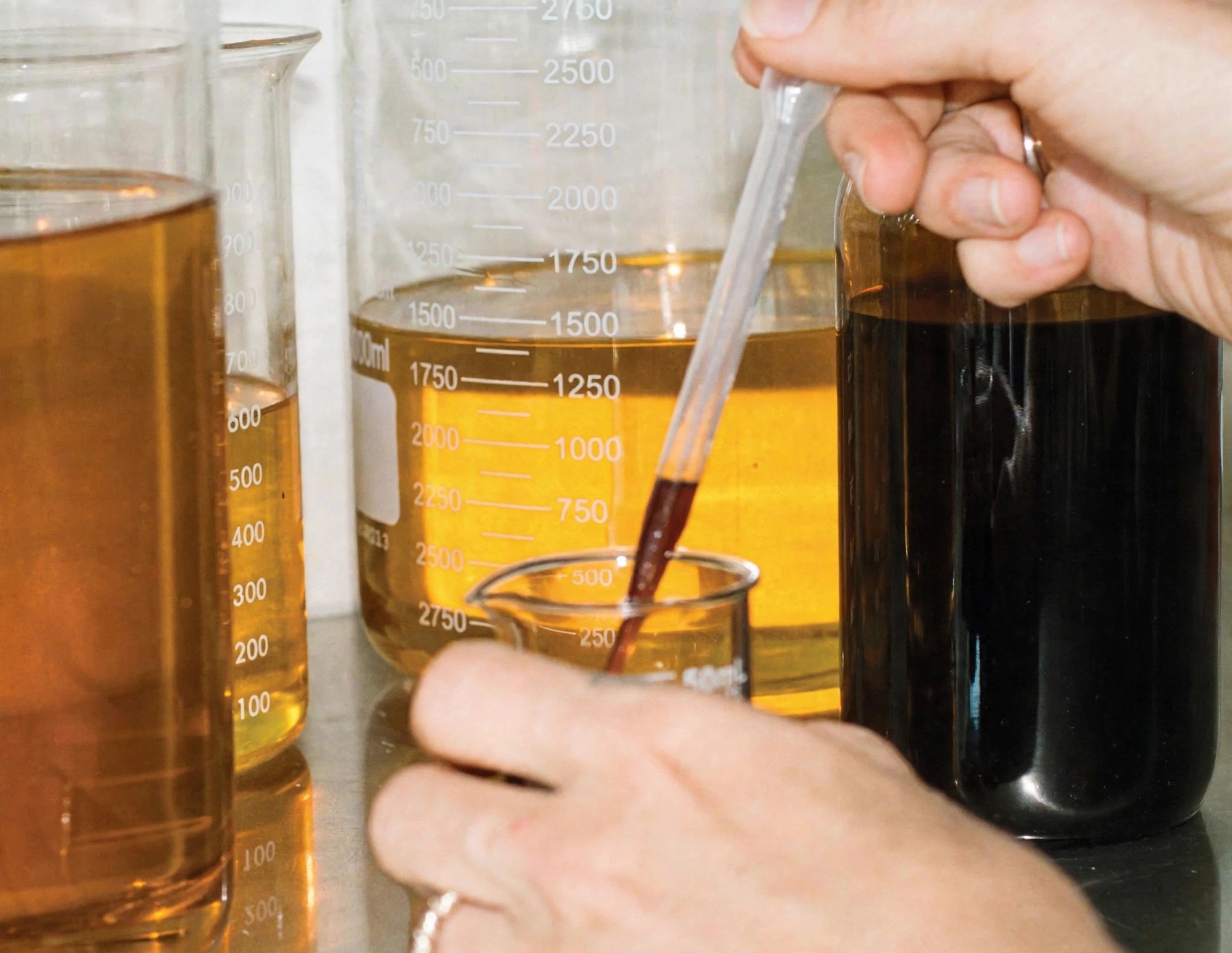
Everything is made by hand in our San Francisco lab. We work in small batches so we can smell and feel each blend. We warm oils gently when needed, we infuse, we let the mixture rest, then we check scent, color and slip on skin. If it is not right, we adjust or we do not bottle it.
We keep notes from the treatment room. That is our testing ground. A product may go through many versions before it earns a name. Skin. Care. That is how I think of it, with a pause. Wash with oil. Press in oil. Let skin rest.
Readiness is client feedback over time. Does makeup come away cleanly. Does skin look calm in the morning. Does the scent hold without turning sharp. We launched with winners because clients kept asking for them again. That is still our measure.
Fashion weeks and hotel residencies now pull you to New York and Paris, including work with Khaite, Kallmeyer and Victoria Beckham and the Skin Sanctuary pop up with Semaine. How does a slow ritual hold up backstage.
Backstage is fast, but skin still likes slowness. I prep with the same steps I use in the studio. Cleanse with oil to remove what is there. Press in a thin layer to support the look of smooth, rested skin. Let it settle before makeup. Models often have dryness from travel and shows, and this gives a soft base without heaviness.
Being resident esthetician at The Hotel Chelsea in New York lets me work one to one, which I love. Paris was similar. The Skin Sanctuary pop up in partnership with Semaine gave people a quiet room in a busy week. Warm cloth. Hands. Breath.
Creative clients trust what they can feel. They do not want sting or film. They want skin that looks like skin. Oil respects that. It supports glow in appearance without masking.
You have said you would rather make decisions on taste than on data, and you have also said you cannot change much about your skin, so stop trying. How do those two beliefs shape a routine you would actually prescribe.
You can’t change much about your skin, so stop trying. I mean that as relief. So much skincare promises a new face. I would rather help the face you have look calm, soft and cared for. That means fewer steps done well.
I would rather make decisions on taste than on data. Taste to me is choosing what feels right and beautiful and keeping it for years. Data has its place, but it can push brands to chase claims. I want a cleanser you love to use, an oil that suits your skin, and rest.
A simple prescription is this. At night, massage Rose Cleansing Oil onto dry skin and remove with a warm cloth. Press in a few drops of Gold or your chosen oil. In the morning, rinse lightly or cleanse again if needed, then a small amount of oil. That is enough. Let consistency do the work.
Closing note from the desk
What stays with us is the steadiness of the method. Hewett watched her own severe acne settle when she stopped stripping, then spent years in the treatment room testing oils on others before naming a brand. The Greek monasteries gave her the image of restraint. San Francisco gave her the bench and the faces to learn from.
Monastery set out to cleanse and moisturize with oils that work with skin and its own healing system. It refuses fillers, surfactants and harsh routines, and accepts the cost of natural materials and small hand blended batches. Read slowly, used slowly, that is the point.
Product spotlight
Rose Cleansing Oil is the first Monastery formula, a large molecule cleansing oil first made to remove sunscreen. It massages onto dry skin to lift makeup and sunscreen physically rather than chemically, then removes with a warm damp cloth. Use nightly, followed by a few drops of oil to moisturize.
Gold Botanical Oil follows cleansing as a water free moisturizing step for dry, sensitive and acne prone skin with the look of marks and uneven tone. It centers on prized plant oils including rose and red raspberry seed oil for softness and the appearance of calm. Press two to four drops onto skin morning and night.

Erin Dunleavy
Erin produces the interviews: the research, the question lists, the follow-ups. She reads ingredient lists for fun and admits it.
More from Erin Dunleavy →