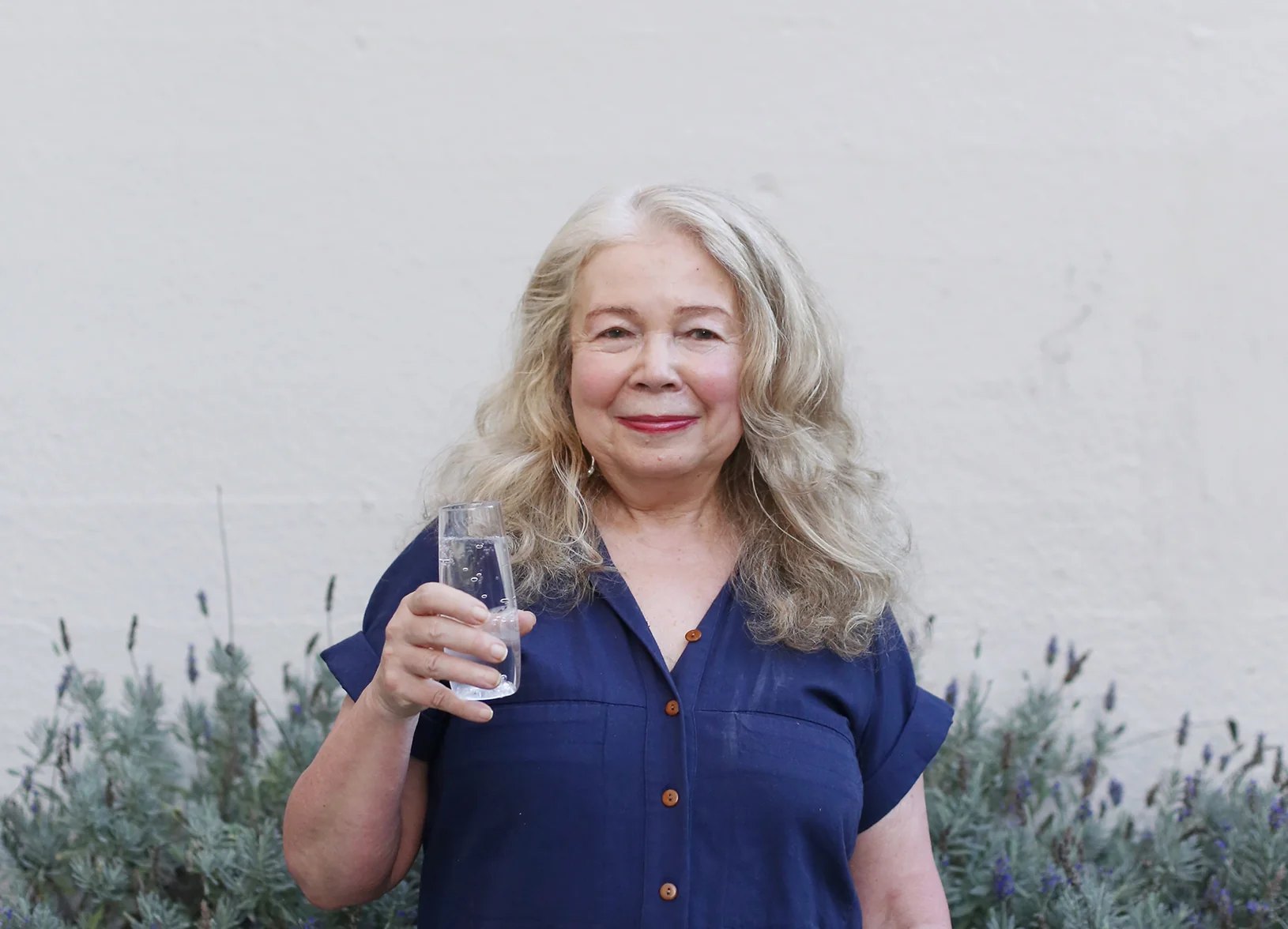
In 2010 Rachel Roff stopped planning a franchise and made a cleansing bar instead, and that small decision still explains Urban Skin Rx. Read slowly, this is plant led clinical care for melanin rich skin, built from licorice root, kojic acid and daily ritual.
In 2006 Rachel Roff opened Urban Skin Solutions in Charlotte at age 25. She had trained as a licensed medical esthetician and she had lived with severe acne and a nevus mole herself. She saw practitioners turn away from deeper skin tones for lack of training. So she built a room where those clients were centered.
By 2010 she had set aside the plan to franchise that spa. Instead she developed the Even Tone Cleansing Bar for her clients to take home, a hard bar melted in a jar with kojic acid, azelaic acid, niacinamide and licorice root. One product became a line. A local practice became national retail. The brand now describes itself as skin care from the melanin experts.
What others miss is how botanical this clinical story is. The formulas lean on plant derived brighteners and soothing extracts, used in low, steady doses inside exfoliating bases. Roff speaks like an operator, results first and pricing second, yet her choices keep returning to roots and harvests. This conversation follows those plants, and the discipline they require.
You opened Urban Skin Solutions in Charlotte in 2006 at age 25, after esthetician school showed you how few practitioners treated deeper tones with confidence. What did those early treatment room years teach you about post inflammatory marks that a lab alone could not.
I opened that room because I needed it to exist. I knew what it felt like not to feel confident in my appearance, specifically my skin. I had severe acne. I had a nevus mole that shaped how I saw myself. Then in school I watched practitioners get nervous around deeper skin tones, especially around post inflammatory hyperpigmentation and acne. There was not enough training, so there was avoidance.
In the treatment room you learn patience. Marks fade slowly. Melanin rich skin can rebound with more darkening if you push too hard. I learned to watch, to adjust pressure, to keep routines simple enough that people would follow them. If I cannot provide noticeable results, life changing results for people, there goes my brand. That sentence came from those years. It still guides how I build a formula, results first, and then pricing second when I build it out.
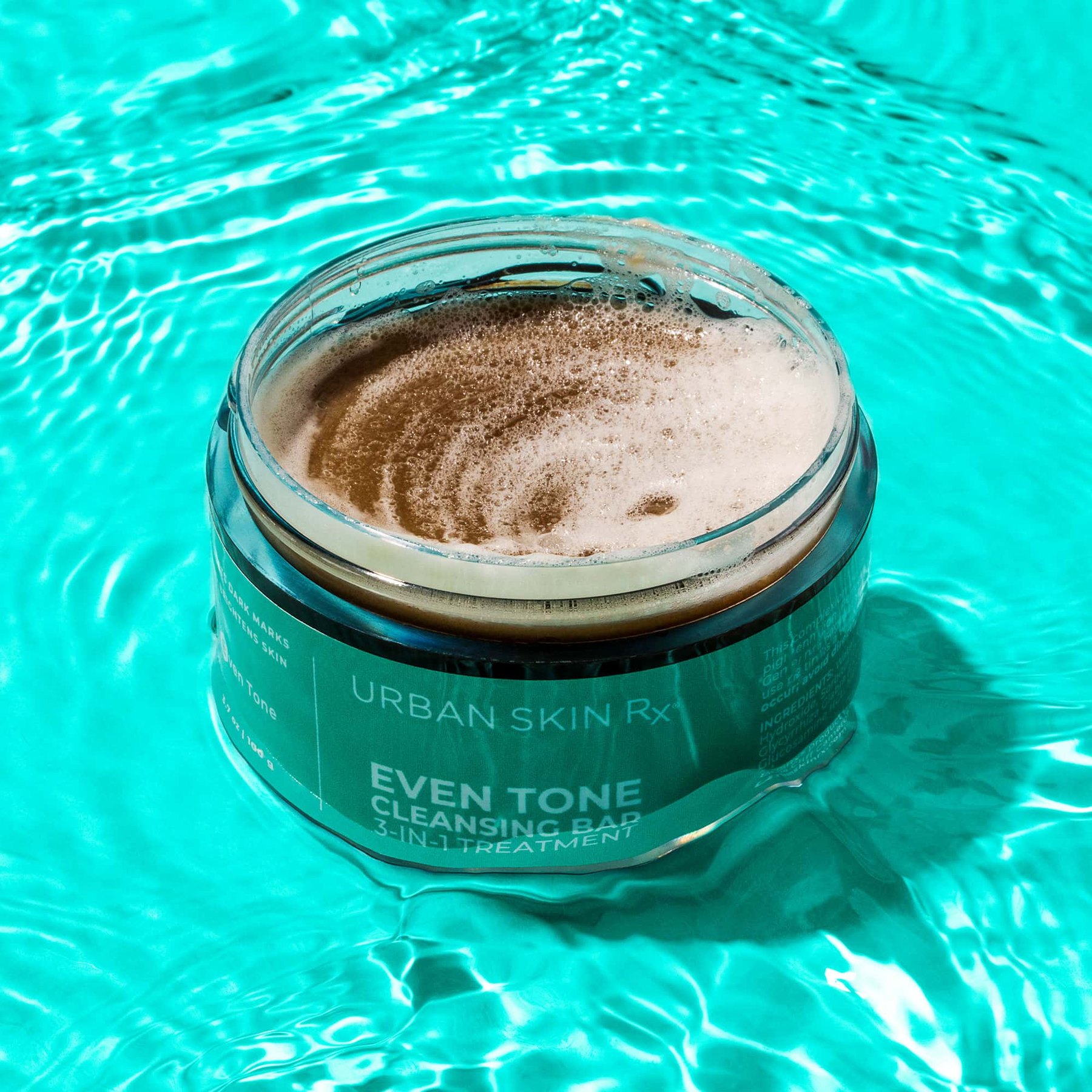
Your first product in 2010 was the Even Tone Cleansing Bar, first imagined as a private label product for future franchisees. Why did a solid bar in a jar become the answer, and how did licorice root earn its place beside kojic acid and niacinamide.
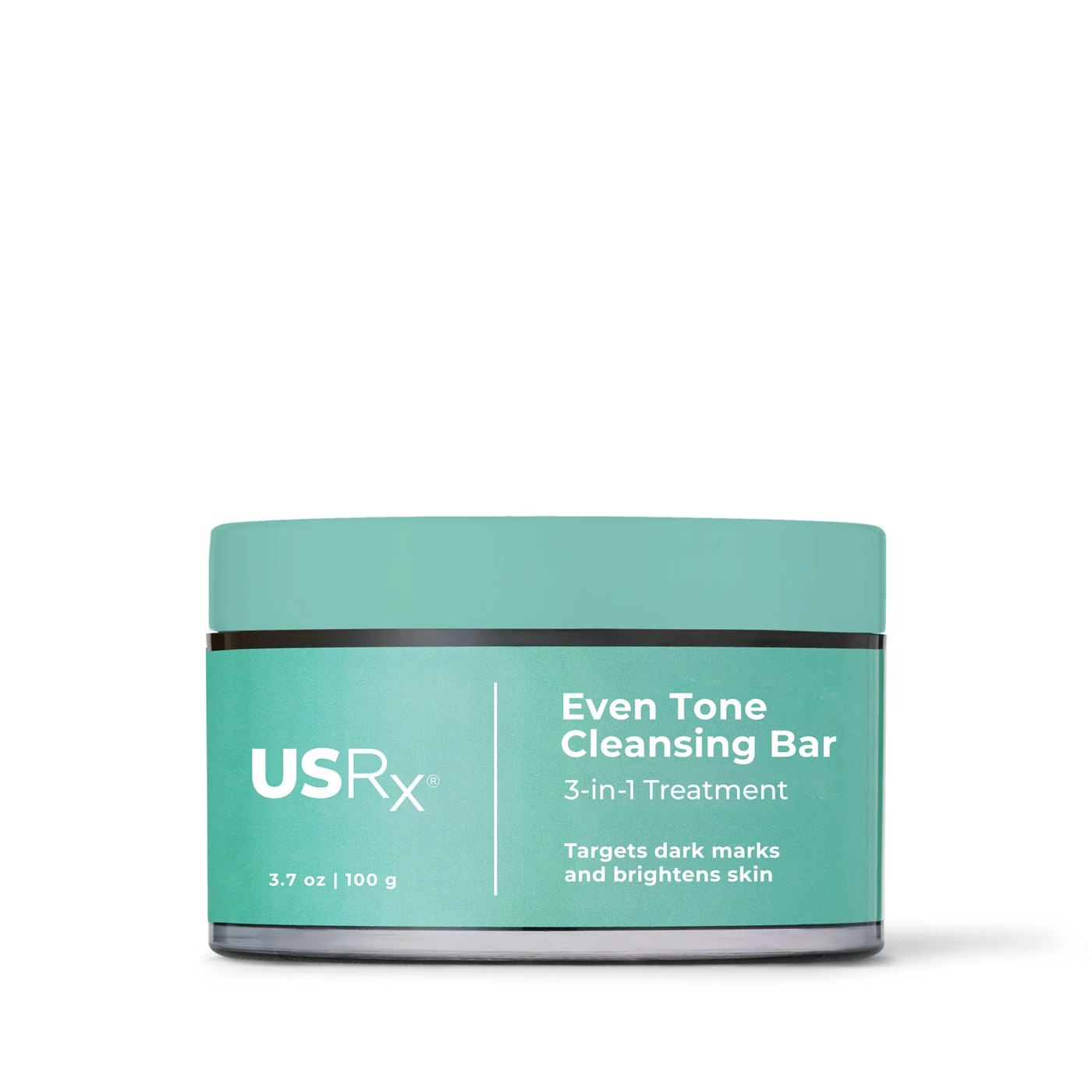
I totally stumbled onto this. I did not see a skin care line in my future at all when I first started. The plan was to franchise the spa and make products my franchisees could sell. Then clients kept asking what they could use at home to hold the results we got in the room. A bar made sense because it could do three jobs at once. It could cleanse, it could act as a short mask, and it could lightly exfoliate.
Licorice root mattered because I wanted brightness without harshness. Kojic acid helps improve the look of uneven tone. Azelaic acid and niacinamide support clearer looking skin. Licorice root extract, from Glycyrrhiza glabra root, brings glabridin and liquiritin, compounds studied for their effect on the appearance of dark spots, plus a soothing quality that helps the bar feel workable. We melt the hard bar into the jar and you apply it with the sponges, so contact is brief and even. It is so popular because it really works, and the plant helps it work kindly.
The brand page says you leave out sulfates and parabens and avoid hydroquinone, and you describe formulas as cruelty free and esthetician developed. What does your rule, I have never compromised on what I put in my products, mean when costs rise.
It means results first, and then pricing second. I just have never compromised on what I put in my products. If a brightening plant extract costs more because it is harvested and handled well, we keep it and we work on the rest of the formula. We formulate without sulfates and without parabens. We do not formulate with hydroquinone. We stay cruelty free.
That sounds simple. It is not. Every retailer started coming to us wanting a piece of the business, and we kind of said yes to everybody for a while. More doors means more volume, which should lower costs, but it also means more pressure to shave a formula to hit a price. I would rather adjust size or assortment than thin the part that does the work. The customer trusts us with melasma, acne marks and uneven tone. That trust is the whole company.
In early 2020 an unpaid customer posted a before and after video of the bar on TikTok, with sales reported up 150 percent and later described as up 300 percent over three months during the Three Week Clear Skin Challenge. What did that sudden growth reveal about how people actually use a botanical exfoliant at home.
There is a lot of pluses and minuses that come from viral moments. People expect that those sales go on forever. That is not realistic or sustainable. What I watched closely was use. People were leaving the bar on longer, using it twice a day every day, scrubbing with the sponge because they wanted faster fading. With deeper tones that can backfire and deepen the look of marks.
We tried to teach the ritual. Wet the sponges. Build lather. Press, do not drag. Start a few nights a week, then build as tolerated. Rinse well. Follow with moisture and morning sunscreen. The plants need time to steep, in a sense. Licorice root and niacinamide support the look of tone with steady use, while acids lift the dull surface. Growth in 2020 was expected at 70 percent, 36 points above plan, after about 30 million dollars in sales the prior year. That scale forced us to get clearer about instructions, inventory and patience.
Results first, and then pricing second when I build out a formula.
Rachel Roff
Your HyperCorrect Intense Fading Cream pairs 5 percent cysteamine with 1 percent niacinamide and vitamin E, applied to dry skin for 15 to 20 minutes before cleansing. Where do plants fit in a formula this clinical, and why keep the contact short.
People hear clinical and think plants step aside. I do not see it that way. Cysteamine is a potent ingredient used for the look of stubborn discoloration. Niacinamide supports the look of even tone and barrier comfort. Vitamin E is an antioxidant that helps the formula feel stable on skin. Around them we still choose soothing botanical support so the experience stays tolerable, because tolerability is what lets someone stay consistent.
Short contact is intentional. You apply a thin layer to dry skin, wait 15 to 20 minutes, then rinse before cleansing. That window gives the actives time to work while limiting excess exposure. Melasma is most common in Fitzpatrick types IV to VI, and those skin types mark easily. A calm routine that can be repeated matters more than one strong night. Plants do not drive this formula, but they help the skin accept it.
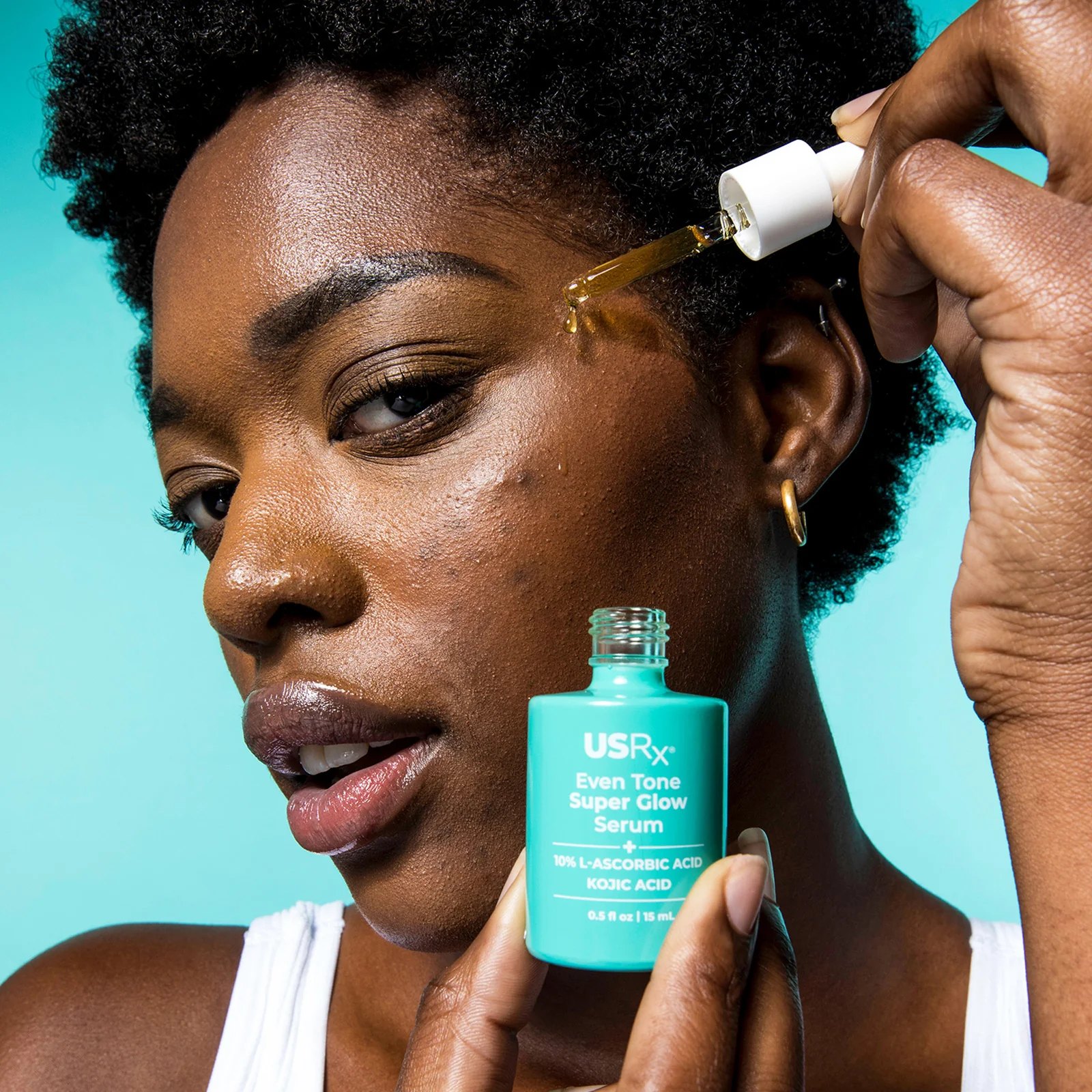
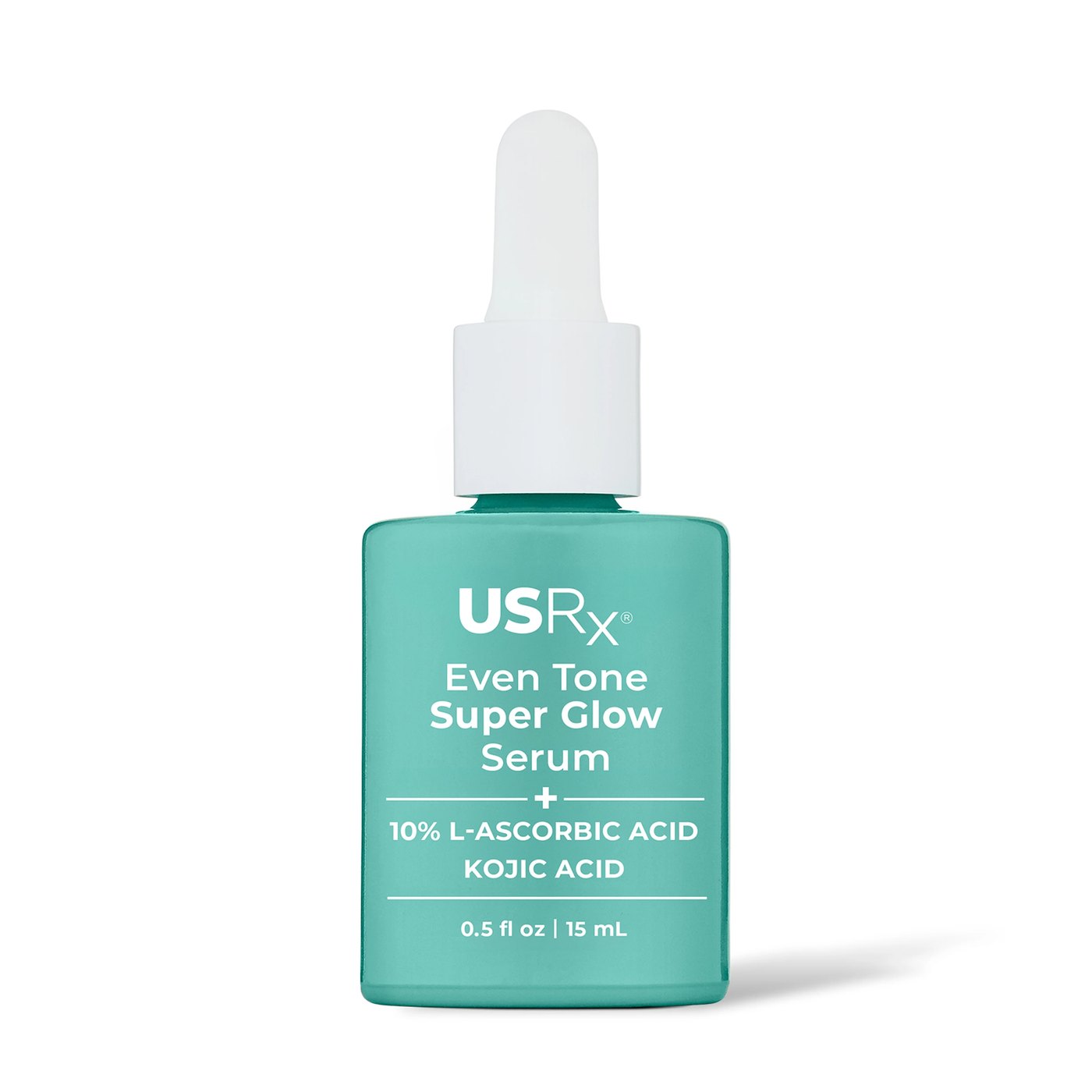
The Even Tone Super Glow Serum at 0.5 fluid ounces combines 10 percent vitamin C with a retinoid and niacinamide. Vitamin C oxidizes quickly and retinoids irritate easily, so how do you think about harvest freshness, packaging and dose for melanin rich skin.
Freshness is everything with vitamin C. L ascorbic acid is effective but fragile. Light, air and heat change it. That is why size, packaging and routine matter as much as percentage. A small 0.5 fluid ounce bottle encourages steady use while the serum is fresh. Opaque packaging and a cap kept closed help. A pea sized amount pressed over even tone skin at night, then moisture, is a better plan than a large amount used rarely.
With retinoids in deeper tones we stay conservative and pair with niacinamide, which supports the look of calm, even skin. I think in field terms. You harvest at peak, you keep cool, you use soon. A serum is similar. Buy the size you will finish. Store it well. If the color or smell shifts a lot, replace it. The goal is radiance that builds, not a quick peel and a rebound mark.
You moved from one spa to Walmart in more than 750 stores in fall 2020, later reported near 1,500, plus Walgreens, Ulta, Target, CVS, Dermstore, Amazon, HSN and QVC, with a Pro Strength redesign at Ulta in 2021. What did you have to change in sourcing to hold the botanical standard at that scale.
We learned to say no more often. There is a temptation to accept every door. We kind of said yes to everybody at first, and then we felt the strain in manufacturing and inventory. Scaling decisions are real. You need larger lots of kojic acid, niacinamide, licorice root extract and oils. Lead times stretch. You qualify second sources. You lock specifications for color, odor and activity so batch to batch stays close.
Roff mentions manufacturing obstacles openly. Ours were about keeping the feel and the function while growing. A cleansing bar has to melt and set the same way. A serum has to keep its viscosity and clarity. We kept esthetician review in the loop, testing texture on skin, not only in the lab. The Allure Best of Beauty recognition in 2020 for the Even Tone Smooth and Glow Enzyme Mask helped, but awards do not solve sourcing. Planning does.
Your site notes more than one million Even Tone Cleansing Bars sold and more than 12,000 five star reviews, with surveys saying 90 percent agree it improves uneven appearance and 87 percent that it boosts radiance. How do you read those numbers as a formulator who lives in the treatment room.
I read them as a signal, not proof. Surveys tell you how skin looks to the person living in it, which matters for confidence. In the room I look for texture, for how makeup sits, for whether marks look softer in daylight. The bar works as a daily steep. Brief contact, rinse, repeat. Over weeks the surface looks smoother and tone looks more even.
I also read the gap. If 90 percent see more even appearance, I think about the 10 percent who do not. Were they overusing. Were they skipping sunscreen. Were they picking at acne. Were they pregnant or dealing with melasma that needs longer care. Numbers guide where we clarify instructions and where we suggest a consultation. Our 15 dollar virtual consultation exists for that reason. One routine does not fit every face.
You have said the biggest difference between successful and unsuccessful people is how you respond to failure. Which formulation failure taught you the most about restraint.
Early on I wanted every brightener in one jar. More acids, more extracts, more promises. On deeper skin that approach can irritate and leave the exact marks you hoped to soften. We pulled back. Fewer actives at considered levels, supported by soothing botanicals and a clear method, beat a crowded label.
That is why the bar is three products in one, cleanser, mask and exfoliator, rather than three separate strong steps. That is why the fading cream is short contact. That is why the serum is small. Restraint is a plant lesson too. You do not over harvest a field because demand spikes. You cut, you let it recover, you return. Skin behaves the same way. Failure taught me to protect the barrier and the brand at the same time.
In January 2025 the brand was reported as acquired by American Exchange Group, with terms not disclosed, and you have spoken about board members and a medical director holding equity. How do you want readers to understand Urban Skin Rx now, and what stays rooted whatever the ownership.
I want readers to understand what has not changed. The mission is to continue making clinical skincare more accessible to people around the world, especially for hyperpigmentation, melasma, acne marks and uneven tone. I have said that over 51 percent of the company is not Black owned, so we do not position ourselves as Black owned, and that our board members, our medical director Dr. David Henderson and employees hold equity. Structure matters and honesty matters.
What stays rooted is the method. Esthetician developed. Tested in a real treatment room. Botanicals chosen for what they do, not for story. Licorice root for the look of brightness. Niacinamide for the look of balance. Acids used briefly and rinsed. Moisture and sunscreen to hold the gain. Ownership can change. The soil does not, if you keep tending it.
Closing note from the desk
What stays with the editors is the image of a jar, a bar and two sponges. It is humble equipment for a serious concern, and Roff has kept it central while the business grew around it. She talks about inventory and sell through with the same care she gives to contact time and rinsing.
Urban Skin Rx set out to make clinical care accessible for melanin rich skin, without asking clients to choose between strength and steadiness. The plants carry part of that promise, quietly, in root extracts and careful doses. Read slowly and the routine makes sense.
Product spotlight
Even Tone Cleansing Bar, 25 dollars for 3.7 oz and 16 dollars for 2.0 oz. A cleanser, mask and exfoliator in one jar with kojic acid, azelaic acid, niacinamide and licorice root. Lather with the included sponges, massage briefly or leave briefly as a mask, then rinse well and follow with moisture and daytime sunscreen.
Even Tone Super Glow Serum, 24 dollars for 0.5 fl oz. A brightening serum with 10 percent vitamin C plus a retinoid and niacinamide for the appearance of dark spots and dullness. Use a small amount on clean skin in the evening, follow with moisturizer, and keep morning sunscreen daily while tone looks more even.

Erin Dunleavy
Erin produces the interviews: the research, the question lists, the follow-ups. She reads ingredient lists for fun and admits it.
More from Erin Dunleavy →