Forty percent of readers will forget the exact arithmetic of skincare, but one number stays rooted: loss of hyaluronic acid in skin starts at 25 years old. That quiet thinning helps explain why bathroom shelves filled with serums and small humming devices, and why so many of those shelves now point back toward the facialist.
In Massachusetts, documentation of at least 16 hours of training in each exfoliating service is required before an aesthetician may offer microdermabrasion or dermaplaning that stays within the epidermis, including 10 hours of practical training. The rule sounds bureaucratic until it is read as a definition of care: time spent learning pressure, hygiene and restraint. Esthetics is the study and practice of caring for the skin to improve its health and appearance, blending science, artistry and wellness. Estheticians are trained professionals who perform facials, waxing and makeup applications in professional spa settings. After a decade when much of that work moved home, the treatment room is busy again because judgment matters more than wattage.
Hands before hardware
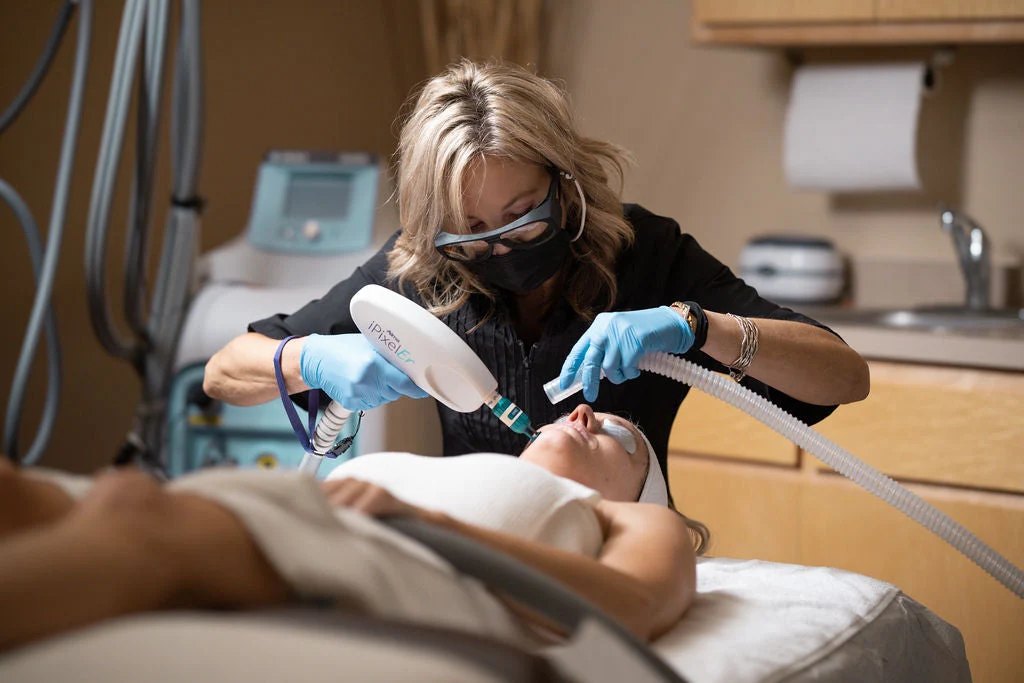
The fundamental difference between at-home and professional devices is energy output, with consumer devices limited to low energy levels for unsupervised use and professional devices delivering higher energy requiring training and safety protocols. That limit was written for safety, and it shapes results. Red LED at wavelengths around 630 to 660 nanometers stimulates collagen production and reduces inflammation, with at-home masks offering lower intensity than professional panels. At-home microcurrent devices provide temporary muscle toning and facial contouring that is subtle and temporary and requires near-daily use to maintain. Consumer radiofrequency devices operate far below professional RF treatments and lack the energy to create controlled thermal injury that stimulates meaningful collagen remodeling.
None of this means home tools are useless. At home LED masks can provide genuine if modest benefits with consistent daily use and complement professional treatment well. The point is proportion. A mask used each morning supports the appearance of calm and hydration. A professional panel, placed at the correct distance and dose, does heavier work less often. At-home IPL devices provide modest hair reduction at energy levels significantly below professional laser hair removal and rarely achieve permanent results. Know that home microneedling with consumer dermarollers and pens cannot achieve professional depths and may cause scarring, infection or pigmentation without sterile environment and technique.
A good esthetician reads these gradients and plans around them. The face is not only a surface for product. The term exposome was proposed in oncology research in 2005 by Professor Wild to describe multiple extrinsic factors that affect aging alongside the genome. Sun, air, sleep, food and field work all leave traces. The term cosmeceuticals was instigated in 1984 by Dr. Kligman when he experimented on the antiaging effects of tretinoin. Hyaluronic acid carries its own longer root system. The first clinical application of hyaluronic acid was developed during the 1970s and 1980s for use in ophthalmic surgery. Hyaluronic acid has hygroscopic, rheological and viscoelastic properties and is used in cosmeceuticals for hydration and antiaging effects.
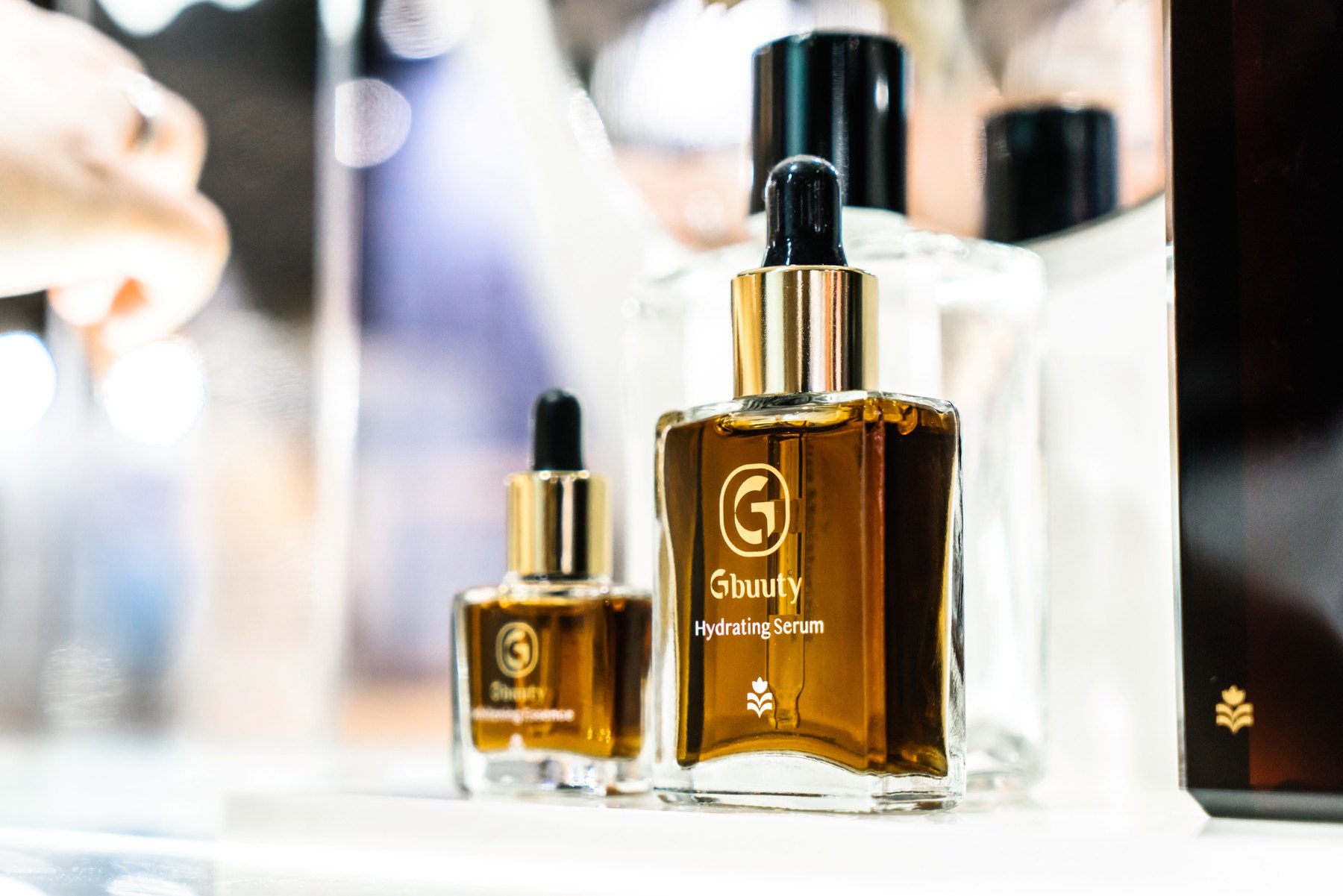
That history sits inside a simple treatment choice. A 24-week randomized controlled trial tested a 1.5 percent multimolecular weight hyaluronic acid filler serum used twice daily starting 24 hours after Botulinum toxin type A, with SPF 50 plus sunscreen in both groups. The detail that matters for Rooting Moss readers is not only the formula but the sequencing: procedure, then daily steeping in humectants, then sun cover, repeated for months. A facialist enforces that rhythm. The bottle alone cannot.
A bottle cannot watch how skin heals and change course.
What the license allows, and why it matters
Modern esthetics combines traditional techniques with new technologies like LED facials and advanced exfoliation. Lately modern esthetics blends classic techniques with new tools such as LED facials and advanced exfoliation, so the return is not a rejection of technology. Cleansing, steam, extraction, massage and mask remain. Light and careful exfoliation join them. Licensing boards such as the Illinois Department of Financial and Professional Regulation emphasize education and continuing education in esthetics. Continuity is part of the craft. The same pair of eyes sees the skin across seasons, notes where redness lingers, where barrier feels thin, where harvest-time air has roughened cheeks.
Scope rules differ by state and many advanced services are restricted, so not every facialist can offer peels, light devices, microneedling or lymphatic work in the same way. In Texas, a licensed esthetician can perform body hair removal, beautifying treatments of face neck shoulders or arms, cleansing treatments of face neck scalp shoulders or arms, eyelash extensions, and massage of scalp neck shoulders arms or face by hand or device. Under Texas rules, an esthetician cannot perform hair services, hand or foot beautification, mustache or beard services, nail treatments, shaving face or neck, or hair weaving. The boundary keeps the work clean and legible.
Massachusetts draws the line with particular care. Massachusetts policy amended December 23, 2025 prohibits Board-licensed cosmetologists, aestheticians, manicurists, barbers or electrologists from performing injections including Botox and dermal fillers such as collagen and hyaluronic acid. In Massachusetts, aestheticians may use Intense Pulsed Light for photofacials under the Board Policy on Intense Pulsed Light Devices, and for hair removal. By comparison in Massachusetts, chemical peels or combinations that affect skin beyond the epidermis are prohibited, including phenol, trichloroacetic acid, Jessners solution, AHA solutions with pH lower than pH 3.0 and higher concentration BHA salicylic acid services. Similarly in Massachusetts, microneedling, nanoneedling or microchanneling that invades the dermis is prohibited, while techniques that penetrate the epidermis are permitted.
Those limits protect clients and clarify what skill actually is. It is not the strongest acid. Honor hygiene, patch testing, pressure, timing and referral when a concern belongs to a clinician. US beauty licensing grew from Progressive Era sanitation concerns including barbers itch spread by unsterilized razors, leading to state boards overseeing training and hygiene. The treatment room inherits that ethic. Clean towels, clean hands, clean extraction tools, careful records. A device promises intensity. A license promises restraint.
How to choose with a steady eye
Cost comparison is nuanced because home devices need daily time, replacement parts and serums, while misuse may create correction costs. A shelf of gadgets can quietly cost more than a quarterly facial, especially when serums must be repurchased to conduct current. Professional care and home care work best as complements. Use the facialist for assessment, deep cleansing, careful exfoliation within scope, LED where offered, and a plan for the months between visits. Use home care for gentle cleansing, moisturizing ingredients that support the appearance of hydration, and sun protection.
Choosing well means checking license, training and scope, not chasing the strongest peel or newest gadget. Ask where the license is held and whether continuing education is current. Ask what exfoliation stays within the epidermis and what training supports it. Ask how light devices are used, at what distance and for how long, and what aftercare is expected. A thoughtful practitioner will talk about barrier, about spacing treatments, about when to pause. A hasty one will promise depth and speed.
Plant ingredients sit comfortably in this slower frame. An infused oil or root extract is interesting for what it does on intact skin: softening the look of dryness, supporting the appearance of suppleness, making massage more comfortable. A facialist who knows plants will steep them into routine rather than stack them into aggression. Less heat, less friction, more observation. The greenhouse teaches patience. The treatment room should do the same.
What the evidence cannot yet answer should stay open. It is unclear how busy treatment rooms are now compared with the at-home device peak, in bookings, prices or retention. They do not show which facial techniques or product combinations give the best long term results for different skin types. Consequently they do not show how clients should weigh maintenance home devices against frequency of professional visits for cost and time. Honesty about those gaps is part of choosing well.
The slow return makes sense on those terms. Skin thins in its humectant stores from early adulthood, the outside world presses in, home tools hum at low energy, and a trained person offers what current cannot be programmed to give: attention over time, clean technique, and the willingness to do less when less is wiser.

Carrie Ellsworth
Carrie looks after the brands Rooting Moss works with and makes sure every sponsored page says so. She came from the retail side of botanical skincare.
More from Carrie Ellsworth →