- FDA added bemotrizinol June 9, 2026, effective August 9, 2026 at up to 6 percent
- Filter offers broad spectrum UVA and UVB protection with low skin absorption
- US now lists 17 active ingredients versus more than 30 filters in the EU
For more than 20 years the US sunscreen monograph held steady while Europe listed more than 30 UV filters. The Food and Drug Administration broke that pause with a proposed order on December 12, 2025, then added bemotrizinol on June 9, 2026, effective August 9, 2026.
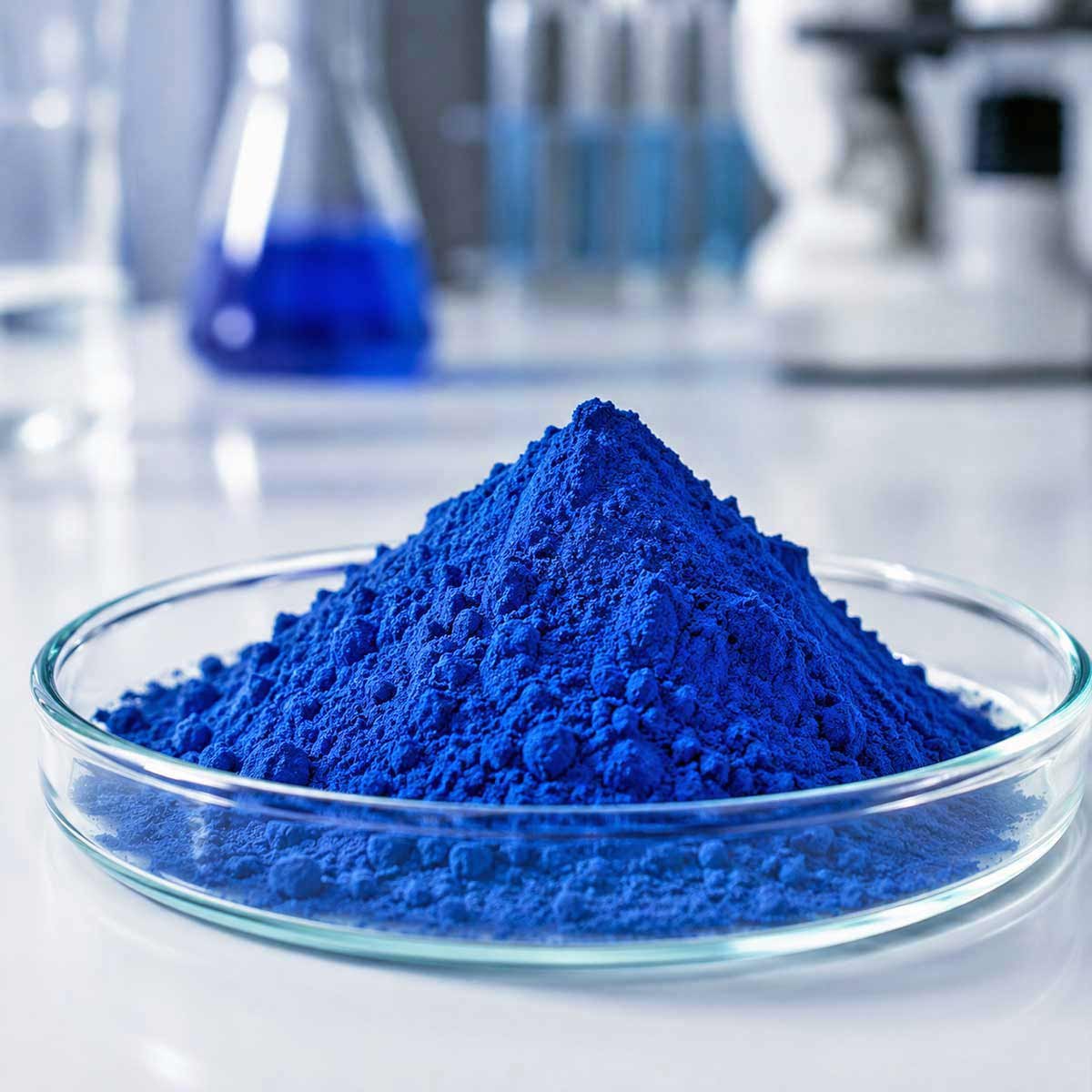
The change matters for daily wear. Bemotrizinol protects against both ultraviolet A and B rays. It retains more than 90 percent of its protective capacity after extended sun exposure in testing and can help stabilize other filters including avobenzone. Its molecular weight of 627.8 g/mol means it tends to stay on the skin surface, and the agency found low levels of absorption through the skin.
The Food and Drug Administration considers bemotrizinol to be generally recognized as safe and effective for adults and children 6 months of age and older. DSM Nutritional Products LLC submitted the request to add it at concentrations up to 6 percent. That limit shapes formulation, since bemotrizinol is allowed at 10 percent across the EU, UK, Korea, Australia, China, Brazil and India.
The filter has been in use across the European Union since 2000 and has also been available in Australia, parts of Asia and Latin America for years. Before bemotrizinol the US listed 16 active sunscreen ingredients, with two proposed as not generally recognized as safe and effective and rarely used. After bemotrizinol, the US total rose to 17, while the EU has approved more than 30 UV filters.
Only two Food and Drug Administration approved ingredients offer strong UVA protection, zinc oxide and avobenzone, while European manufacturers can choose from 10 ingredients that offer strong UVA protection. An Environmental Working Group study of 51 products found that only 35 percent met the EU standard but 94 percent would pass the current US standard. The EU recommends UVA protection at least one-third as potent as the SPF.
Bemotrizinol was the first new active ingredient added under the streamlined process established by the CARES Act, finalized within seven months of the proposed order. DSM-Firmenich spent at least 18 million dollars over more than two decades in its push to gain approval. It has exclusive rights to market bemotrizinol in the US for 18 months under the brand name Parsol Shield, with first products expected around September 2026.
“HHS Secretary Robert F. Kennedy, Jr. said, “Bemotrizinol has been used safely in Europe for decades, and FDA’s action will increase competition and consumer confidence in sunscreen products.””
What is not known is when products containing bemotrizinol will be widely available beyond the expected September start, and whether the agency will advance additional pending filters such as bisoctrizole.
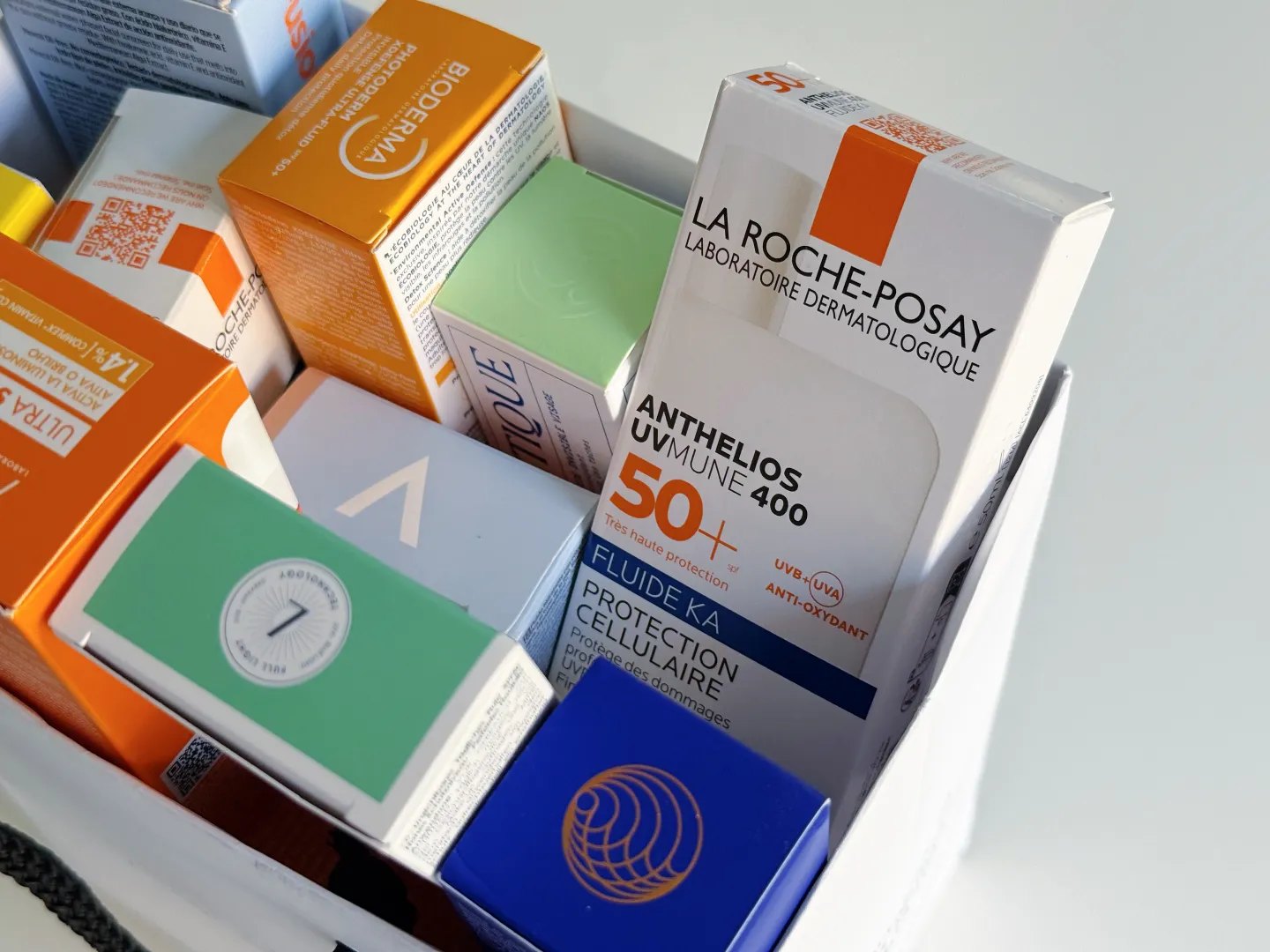
For now the ritual stays the same, apply enough and reapply in sun, while the shelf slowly gains a new option.

Erin Dunleavy
Erin produces the interviews: the research, the question lists, the follow-ups. She reads ingredient lists for fun and admits it.
More from Erin Dunleavy →