- FDA warning letters target compounded GLP-1 claims as shortages end and approval gap remains
- FTC actions include TruHeight matter and $150,000 NextMed order over weight-loss claims
- Careful buyers should check approval status, salt forms, added ingredients and dosing
Patents keep generic semaglutide off the market until at least 2032, with tirzepatide patents holding until 2036, and the FDA had allowed compounding of GLP-1 drugs during severe shortages beginning in 2022. Those shortages have ended, and Stanford Medicine reports the FDA has begun issuing warning letters to some compounding pharmacies over unfounded claims about compounded versions. The FTC lists an action titled TruHeight, In the Matter of, dated July 15, 2026, under health claims cases.
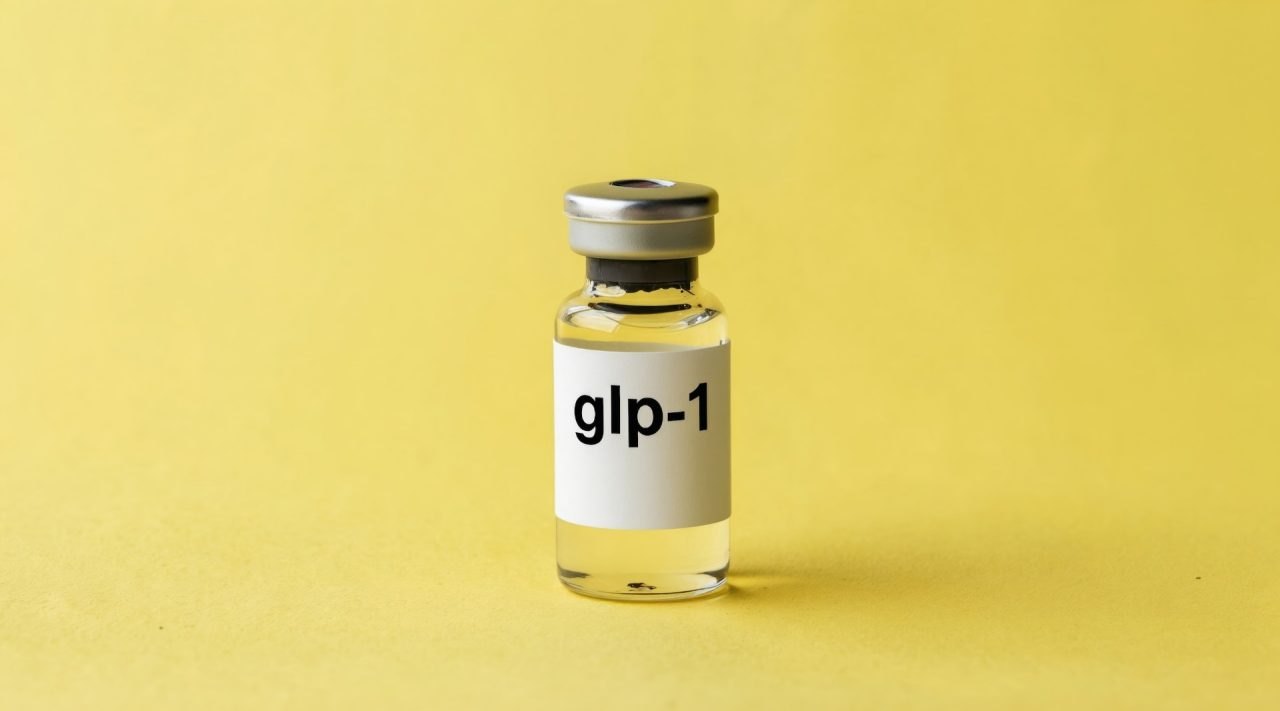
GLP-1 stands for glucagon-like peptide-1, a gut hormone that helps regulate blood sugar and appetite. GLP-1 receptor agonists mimic it. Semaglutide products include Ozempic, Wegovy and Rybelsus, while tirzepatide products include Mounjaro and Zepbound.
Compounded versions do not have the same FDA approval as brand-name drugs. At their peak in 2024, nearly 1 in 3 Americans taking a GLP-1 drug said they were getting it from a compounding pharmacy. List prices for patented GLP-1s can cost more than $1,000 per month, and clinicians say cost and access problems that drive people to compounded versions are real.
The formulas often differ in quiet ways. Some compounders use salt forms such as semaglutide sodium, which have not been proven safe and effective in humans or approved by FDA. Many add vitamin B12 and other ingredients such as B6, niacinamide, glycine or carnitine that have no proven benefit for weight loss or diabetes management. A 2026 study found that tirzepatide compounded with B12 can chemically bond, forming a new molecule not found in the FDA-approved drug, a finding replicated by Eli Lilly.
Dosing brings another risk. The FDA has flagged cases where patients using multidose vials administered 10 to 20 times the prescribed amount by mistake. Some compounding pharmacies sell sublingual drops or dissolving tablets of semaglutide or tirzepatide that were never studied in clinical trials. Poison control centers across the U.S. have seen a more than 15-fold increase in calls related to injected weight-loss drugs since 2019.
The FTC gave final approval to an order against telehealth provider NextMed and principals Robert Epstein and Frank Leonardo over GLP-1 weight-loss programs. In its July 2025 complaint the FTC alleged NextMed sold weight-loss programs with undisclosed costs, unsubstantiated weight-loss claims, fake testimonials and distorted reviews. The final order requires payment of $150,000, expected to be used for consumer refunds, and requires competent and reliable evidence to support claims about average or typical results.
Marina Basina, MD, clinical professor in endocrinology, gerontology and metabolism, said, “The use of compounded drugs in patients using GLP-1s without medical supervision pose significant risk and can result in significant consequences,”

Carrie Ellsworth
Carrie looks after the brands Rooting Moss works with and makes sure every sponsored page says so. She came from the retail side of botanical skincare.
More from Carrie Ellsworth →