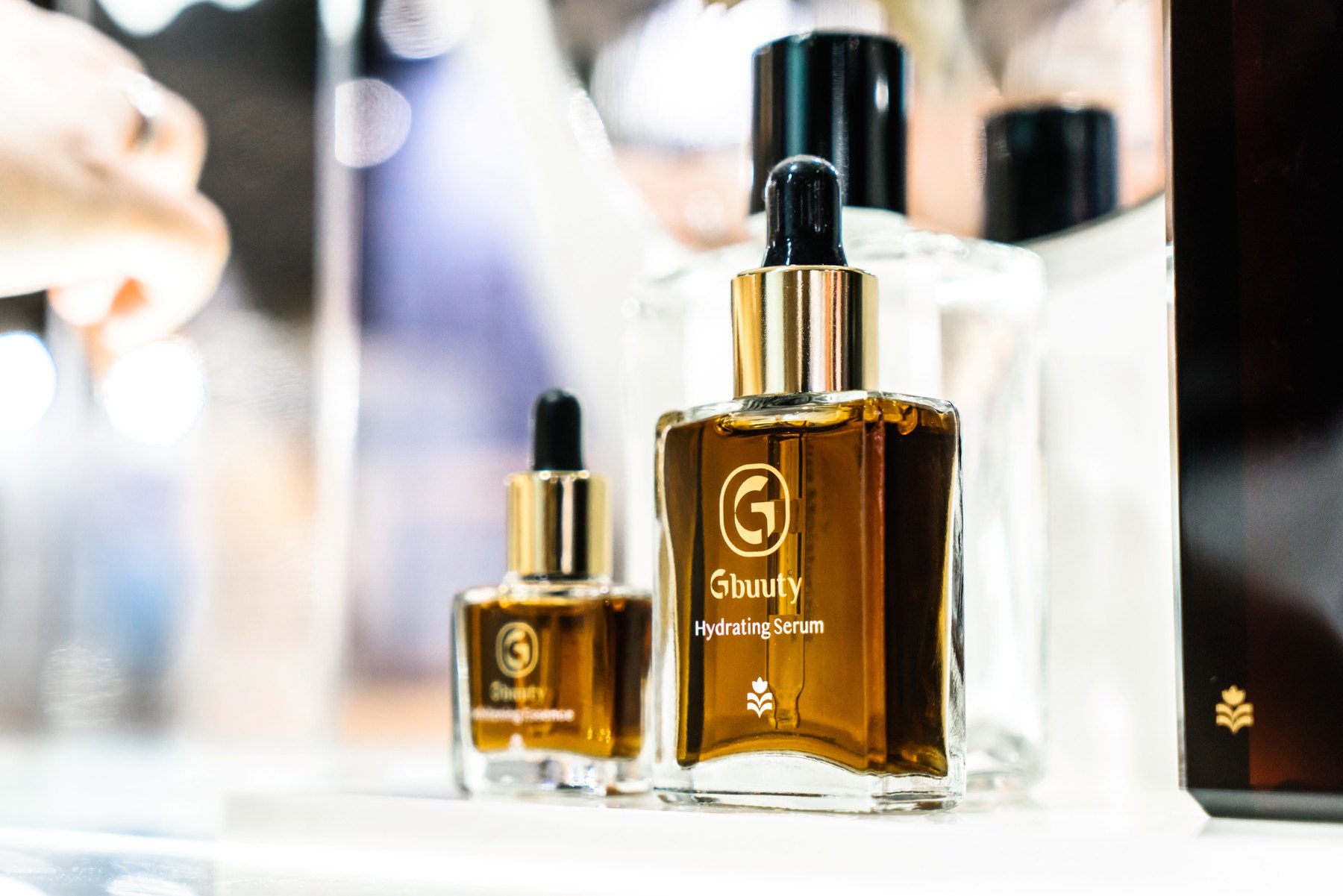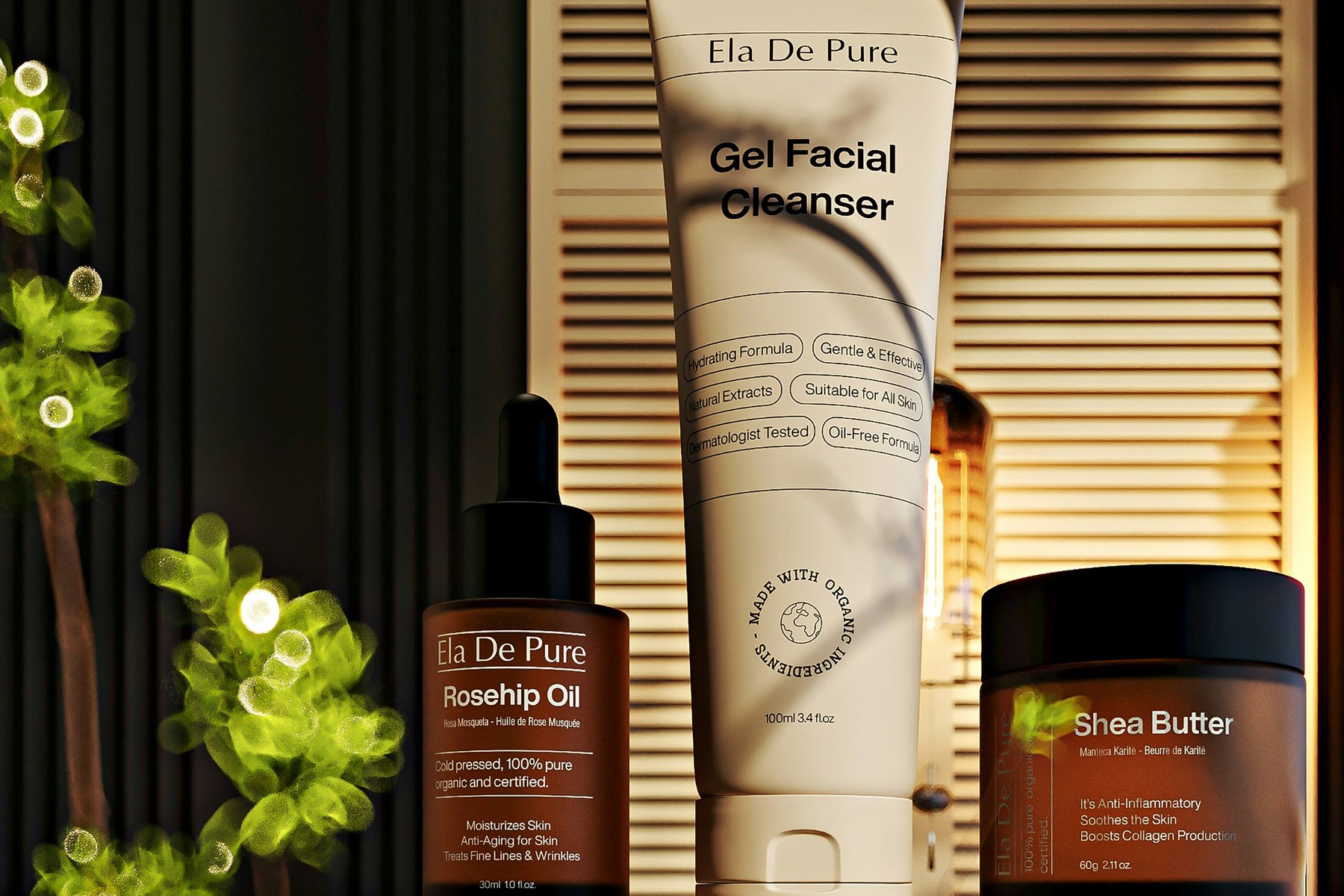
A decade ago a complete routine meant a cleanser, a moisturizer and sunscreen. Today the average shelf holds serums for mornings and nights, toners and essences, masks for weekdays and weekends, and acids that promise to refine everything. The question is whether skin appearance improved as the count rose, or whether something quieter was lost in the layering.
The change did not arrive as a single invention. It arrived as a slow accumulation, one bottle at a time, until a practice that once took three minutes began to take twenty. For readers who describe skin as reactive, that accumulation often registers first as tightness by midday, then as redness that lingers, then as a drawer of half used bottles kept from habit rather than affection.
When routines learned to perform
The history is recent enough to trace. In the mid 2010s, the ten step routine traveled from Seoul to New York and London through blogs and morning routine videos. It was methodical and appealing. Cleanse with oil, then with foam. Exfoliate. Tone. Add essence, ampoule, sheet mask, eye cream, moisturizer, sunscreen or sleeping pack. Each step had a texture and a reason, and the sequence itself felt like care.
Social video then shortened the lesson and widened the audience. A routine that once required a blog post could now be shown in sixty seconds, set to music, with product names flashing across the screen. Retailers added starter kits for preteens. Comment sections compared step counts. By last year the pattern was visible even among children. In the first peer reviewed study of teen skin care videos, researchers at Northwestern Medicine found that creators between the ages of seven and eighteen used an average of six products per routine, with some using more than a dozen in a single sitting. The average routine cost was estimated at 168 dollars for a month supply, and only about one quarter of daytime routines included sunscreen.
That last detail matters. Sunscreen remains the product dermatologists return to most often when asked about long term appearance, yet it photographs poorly. It leaves a cast or a sheen. It does not layer well for camera transitions. A brightening serum, by contrast, looks vivid in a dropper and promises a visible shift by morning. The algorithm favors what looks active, and the shelf follows.
Product fatigue followed in predictable ways. Surveys in Britain and the United States now describe a familiar split. Shoppers buy more skin care than other personal care, yet report less consistency in daily use. Bottles accumulate. Instructions conflict. One product contains glycolic acid, another contains lactic acid, a third contains a fruit extract with the same function under a softer name. Used together, they ask a great deal of the outer layer of skin. Dermatologists have a plain term for the result when tolerance is exceeded. Irritation. In more lasting cases, allergy.
A routine works when it can be repeated without thought, season after season.
The Northwestern team described one mechanism in clear language. Risk came not only from strong formulas but from repetition without recognition. The same active ingredient appeared in three or four or five different products in a single routine, so the total load was higher than any single label suggested. In one video, a creator applied ten products in six minutes and began to show discomfort on camera before the routine ended. The top viewed videos contained an average of eleven potentially irritating ingredients. The authors noted that the resulting allergy, called allergic contact dermatitis, may limit the soaps and cosmetics a person can tolerate later, which gives an ordinary evening routine a longer shadow than expected.
None of this suggests intent to harm. It suggests a mismatch between pace and physiology. Video rewards novelty and speed. Skin responds to repetition and pause.
What skin asks for, in plain terms
Dermatology offers a notably short answer to a long debate. The American Academy of Dermatology describes a simple three part approach for most people. Cleanse. Moisturize. Protect with sunscreen. Order matters, and restraint matters. The same guidance cautions that using too many products, especially more than one product aimed at signs of age, may irritate skin and make lines and texture appear more noticeable rather than less.
The reasoning rests on structure. The outermost layer, the stratum corneum, functions as a low wall of flattened cells and lipids that limits water loss and keeps the outside out. Gentle cleansing removes soil and sunscreen without stripping that mortar. Moisturizer supports hydration and the look of suppleness, often with humectants that draw in water and occlusives that slow its escape. Sunscreen supports defense against ultraviolet light, which remains the largest external contributor to uneven tone and the appearance of premature aging. That trio does not preclude treatment. It sets a base that allows treatment to be legible. When the base is stable, a single active used with patience shows what it can do. Judge nothing while the base shifts weekly.
A smaller routine also clarifies cause and effect. With three products, a change in appearance can be traced. With nine, tracing becomes guesswork. Founders who formulate with botanicals often make this point in practical terms. A calendula infusion or oat extract may help skin look calmer and feel softer, but its effect cannot be read if it is layered under two acids and a retinoid introduced in the same week. Plants ask for observation. A leaf steeps at its own rate. So does skin.
There is also the matter of touch. In Rooting Moss terms, ritual is not decoration. Warming a balm between palms, pressing rather than rubbing, giving a cleanser a full sixty seconds, waiting a minute before sunscreen. These small practices support even coverage and reduce tugging, which supports comfort. They cost nothing and require no new bottle. In interviews for this issue, formulators returned to the same image. Fewer vessels on the counter, more attention in the hands.
For those who enjoy treatment, fewer formulas need not mean no formulas. It means one concern at a time, one active at a time, with sunscreen held constant. A vitamin C serum in the morning for the look of brightness, or a low strength retinoid at night for texture, used several nights per week and then assessed after a full skin cycle of about a month. Fragrance free bases reduce one common source of sensitivity. Patch testing a new product along the jawline for several days remains a modest habit that prevents larger regret.
Why small catalogs hold attention longer
Walk through the apothecary pages of botanical lines that have lasted and a pattern emerges. The catalog is short. A cleansing oil or cream. A mist or essence. One or two serums. A balm or cream. Sunscreen where the line offers it, or clear guidance on what to pair. Laurel, Kypris and In Fiore serve as examples of this shape, each built around a tight set of textures rather than an answer for every passing concern. The choice reads at first as commercial restraint. On closer look it functions as instruction.
A short catalog teaches sequence without a manual. Morning and night begin the same way. The differences are small and memorable. That clarity supports adherence, and adherence supports appearance. A moisturizer used daily for three months does more for the look of smoothness than a shelf of treatments used in rotation for a week each. Retail data is proprietary and varies by brand, but the logic is plain to anyone who has kept a practice. People return to what they finish. They finish what they understand.
There is also trust. A brand that sells five things stakes its standing on those five. It cannot hide a weak formula behind a launch calendar. It must source with care, explain concentration in plain words, and advise when not to buy. One founder described turning away customers who asked for a stronger acid than their skin appearance required, and suggesting a simpler cleanse and moisturize rhythm instead. Another described harvest limits on a field grown extract that set the size of a production run, so the serum sold out and the line waited rather than substituting quickly. Such limits frustrate in the short term. They reassure over years. The customer learns that no means no, so yes means something.
Larger catalogs face a different pressure. Each launch must justify shelf space, so each launch needs a claim. Claims multiply steps. Steps multiply interactions. Returns follow, not only of products but of confidence. By contrast, refill programs and steady staples reward return visits without demanding reeducation. A cleanser repurchased three times creates a rhythm. Rhythm creates memory. Memory, in a crowded market, behaves like loyalty.
This does not argue for austerity as style. It argues for proportion. A teenager with healthy skin may need only a gentle cleanser, a light moisturizer and sunscreen, with treatment added under guidance when a specific concern appears. An adult concerned with dark spots may add one brightening step and keep it for a season. A parent choosing for a child may favor fragrance free basics and sun habits over any active at all. In each case the principle holds. Begin with support. Add only what a named concern requires. Remove what does not show its work.
The shelf will continue to offer more. That is its function. The ritual, kept small, offers a counterweight. A stone holds moss because the surface is steady and damp, not because it collects. A routine holds attention for similar reasons. Fewer formulas, used with patience, allow skin appearance to settle, allow the keeper of the routine to notice, and allow the maker to stand behind every bottle without qualification. In a market built on arrival, continuance is a position.

Shannon Brekke
Shannon edits the news desk and the field guides at Rooting Moss. She keeps a running list of every plant extract that has appeared in a formula this year.
More from Shannon Brekke →