The same species grown in a soft valley and on a dry slope is not the same ingredient in practice. Sun, cold, thin air and scarce water change what a leaf makes to protect itself, and those protective compounds are often the reason the plant entered skincare at all. The question is how much of that field difference survives harvest, drying and extraction.
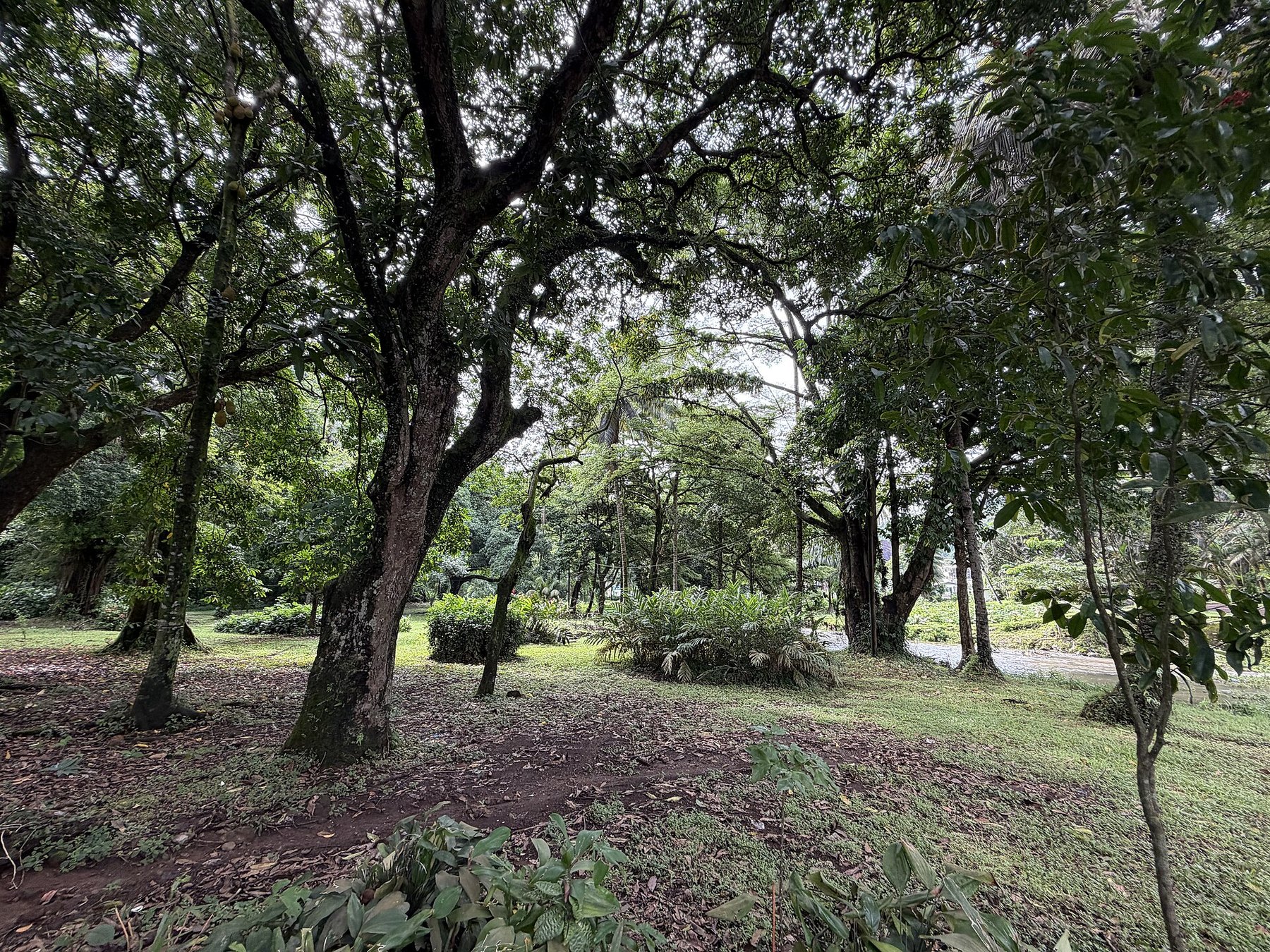
A walk above the tree line makes the logic visible before any chemistry is named. Cushions of moss hold water in stone cracks, low herbs keep leaves small and thick, pale hairs screen buds from glare. Growth is slow and compact. Nothing is lush, yet everything persists through frost, wind and bright sun. For a reader who keeps botanical formulas, the link feels direct. If hardship shapes the plant, hardship should shape the bottle.
Why stress makes plants potent
Plants cannot move away from weather, so they answer with chemistry. Alongside sugars and proteins for growth, they make a second set of compounds for defense. Botanists call these secondary metabolites. They include flavonoids that screen ultraviolet light, phenolic acids that help manage oxidation after bright days, and volatile oils that limit water loss. In plain terms, stress leaves a chemical record.
Altitude combines several stresses at once. Ultraviolet intensity rises as air thins. Nights turn cold while days stay bright. Soils on rock are lean and drain fast. Water is brief. Studies of mountain herbs over many seasons report a familiar pattern under these conditions. Leaves tend to carry more flavonoids and related phenolics per gram than the same species grown lower and milder. Color deepens. Scent sharpens. Growth slows. The plant invests less in size and more in protection.
Drought writes a similar record. Rosemary, thyme, lavender and sage from dry limestone hills are long prized for strong scent, and scent is chemistry. Dry seasons often raise the share of essential oils and phenolic acids such as rosmarinic acid in the leaf. Olive growers know the parallel. Fruit from unirrigated groves on poor soils is smaller and often yields oil with a more peppery taste, linked to higher phenolic content.
Edelweiss offers a clear example for skincare. Leontopodium alpinum grows wild in rocky limestone places in the Alps and Carpathians, where it faces intense sun, cold and short seasons. Its chemistry includes flavonoids, caffeic acid derivatives and a distinctive phenolic called leontopodic acid, all associated in laboratory work with antioxidant behavior. The plant is sparse and protected in the wild, so cosmetic material now comes from cultivated stock or from callus grown in bioreactors. One supplier notes cultivation between about 1000 and 1500 meters in the Swiss Alps to favor active content. The altitude is not decoration. It is part of how the extract is standardized.
Stress does not make a plant better in any general sense. It makes it more defended in specific ways.
That distinction matters. A stressed leaf may carry more of one valued group and less of another. Severe drought can shrink biomass so far that total yield falls even if concentration per leaf rises. Harvest at the wrong week can erase the advantage of a fine site. Place sets a tendency, not a guarantee.
What terroir borrows from wine
The word terroir comes from wine, where it once settled arguments about why the same grape tastes different across a valley. In Burgundy and Bordeaux, growers learned over generations that slope, stone, drainage, sun and wind, plus variety and cellar practice, shaped flavor in repeatable ways. France formalized the link in the 1930s with controlled appellations that tied a wine name to a delimited place and to rules for variety and method. The system did not claim that place alone made quality. It claimed that place plus practice, checked by tasting and record, could be named with confidence.
Skincare borrowed the term later and more loosely. An oil, hydrosol or extract carries its field in subtler ways than wine carries a vintage, because processing steps stand between leaf and lotion. Drying temperature, distillation time, solvent choice, storage and age all shift what remains. An alpine rose picked at dawn and dried gently is a different starting point than the same rose dried hot and stored open. Origin is only the first line of a longer method.
Laboratory work shows both the promise and the limit. In a 2020 study published in Genes, researchers in Korea prepared an extract from edelweiss leaf callus grown under clean laboratory conditions rather than picking wild flowers. They tested it first in dishes. Human keratinocytes and fibroblasts treated with the extract showed stronger resistance in antioxidant assays and lower signals linked with dryness and wrinkle related enzymes after ultraviolet exposure. The team then ran a small split face trial over four weeks with 21 women, applying the extract on one side of the face and a comparison base on the other. Skin appearance on the extract side showed greater improvement in the look of fine lines around the eyes, in measures linked with elasticity and in ultrasound readings of dermal density and thickness.
Read slowly, the study says what careful studies often say. A defined preparation, at a defined concentration, used consistently, supported the appearance of firmer and smoother looking skin in that group and under those conditions. It does not show that any product labeled alpine will do the same, or that wild plants are stronger than farmed ones, or that leontopodic acid alone explains the result. The material was cultured, not foraged on a cliff. Control and consistency made the finding legible.
Regulation explains why origin language floats so freely. Under the European Union Cosmetics Regulation, every product sold needs a safety assessment, with ingredient lists shown by standard names. Those rules say little about where a chamomile field sat or how dry the season ran. Organic seals such as COSMOS add audit of farming and chain of custody, which supports traceability, but they do not measure phenolic levels lot by lot. A label can therefore be truthful about plant name and organic status while saying nothing verifiable about potency. Terroir, in this setting, is an unregulated promise until the brand supplies the missing data.
When origin is proof and when it is poetry
A useful origin claim looks like a field record. It names species and part used, field location and altitude, harvest season and year, whether the plants were wild collected under permit, farmed or grown as cell culture, how they were dried or distilled, what solvent drew out the extract and at what ratio, and what marker the lot was tested for. A sheet that lists rosmarinic acid in rosemary, linalool in lavender or leontopodic acid in edelweiss, with a range and a method, turns place into something a formulator can repeat. Lines such as Laurel and Kypris serve as examples of the broader move toward shorter, field linked catalogs, where a harvest limit can set a batch size. The point is not the size of the brand. It is the specificity of the paper that travels with the drum.
Poetry looks different. It names a mountain range without a farm, a desert without a season, a wild harvest without a permit or replanting note. It leans on words such as pure, untouched and ancient while the ingredient list shows the plant near the end, after fragrance and after several fillers, at a level unlikely to carry the field into the jar. It shows misted peaks behind a serum made largely from water, glycerin and silicones. None of those bases are faults on their own. They support texture and the appearance of hydration. The fault is the suggestion that landscape alone does the work.
There are also tradeoffs that honest sourcing admits. Wild collection can protect a story while thinning a population. Cultivation at altitude can raise desired compounds while raising fuel use for transport and drying. Greenhouse cell culture can spare wild stands and steady quality while losing the very stress that raised the compounds in the first place, unless light and nutrients are tuned to mimic it. A brand that chose farmed over wild, or culture over field, for continuity and conservation has a strong case to make. Consider a brand that claims wild rarity in every batch, year after year, and doubt follows naturally. Scarcity and scale rarely rise together.
Concentration decides how much any of this reaches skin. An extract tested at one percent in a trial may appear in a cream at a fraction of that level. A distillate may be present mainly for scent. None of this cancels terroir. It places terroir where it belongs, early in a chain that ends with dose, base and habit, including sunscreen, which remains the step most linked with the appearance of even tone over time.
For readers, a few questions sort proof from poetry without a laboratory. Where exactly was this lot grown, and at what altitude. When was it picked. How was it extracted, and at what strength in the final formula. What marker was measured across lots. Makers with answers tend to give them plainly, often with a supplier sheet or a short harvest note.
Rooting Moss favors the former, not from romance about hardship but from respect for craft. A slope that forces a plant to defend itself can indeed yield an extract with more of what skincare borrows, from flavonoids that help the plant face sun to phenolic acids that help it steady after stress. Those compounds may help a serum support the appearance of resilience and brightness when used steadily alongside gentle cleansing, moisturizing and sun protection. Yet the slope alone proves nothing. Proof is a chain from soil to sheet, with dates and measures, repeated across seasons. When that chain is shown, terroir is a tool. When only the view is shown, it is marketing, and the wise shelf leaves it to look at while reaching for what can be verified.

Shannon Brekke
Shannon edits the news desk and the field guides at Rooting Moss. She keeps a running list of every plant extract that has appeared in a formula this year.
More from Shannon Brekke →