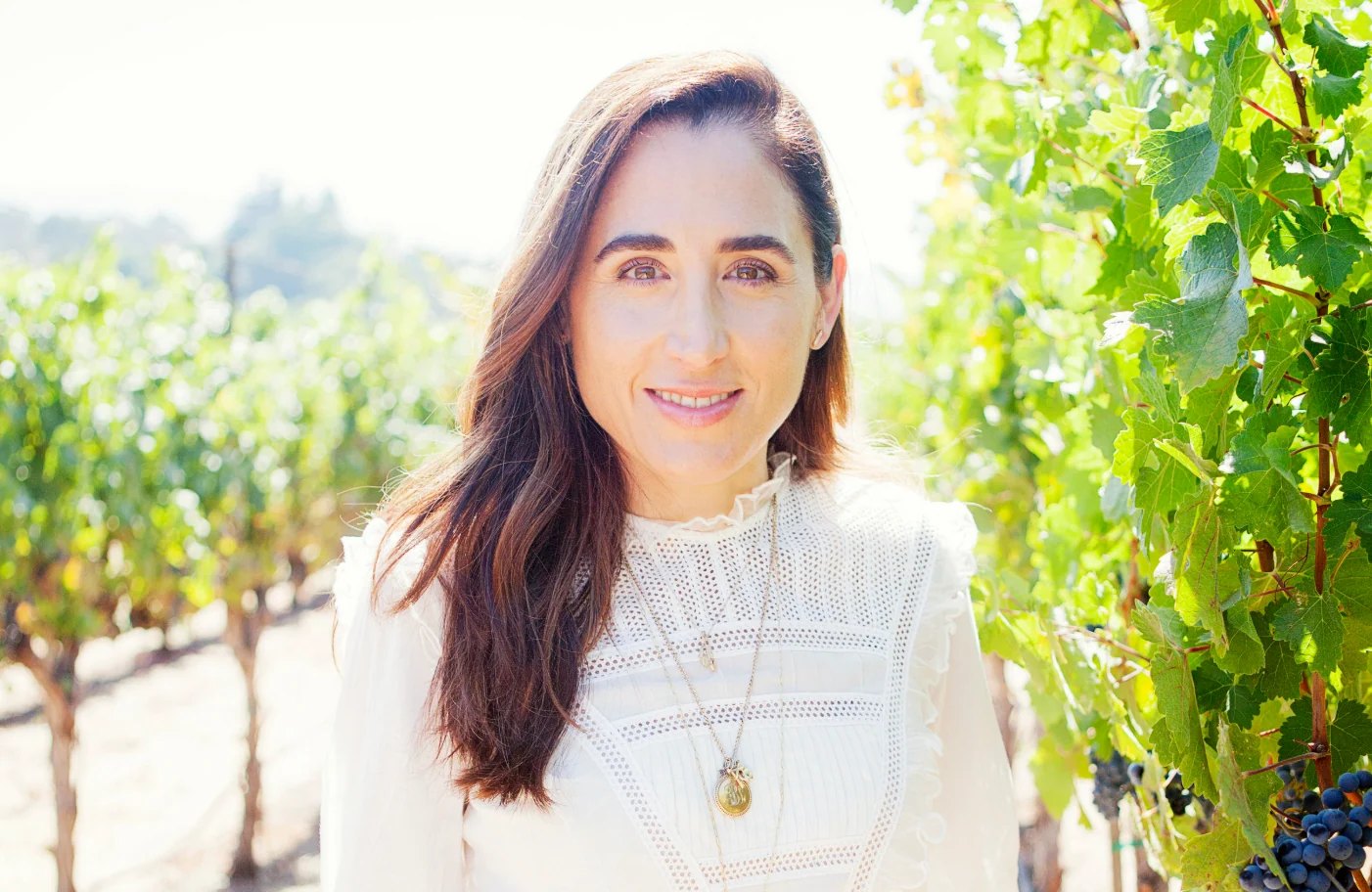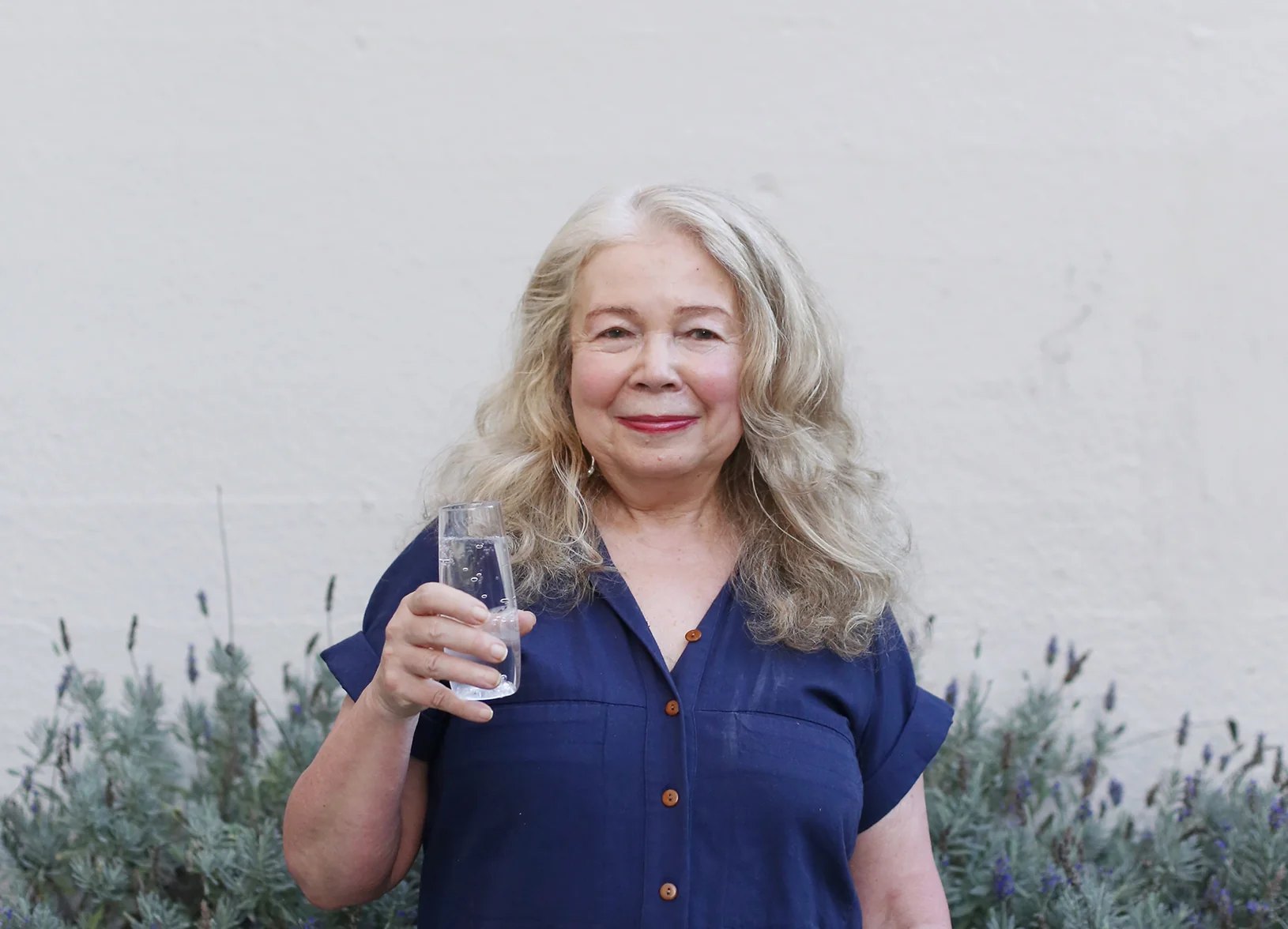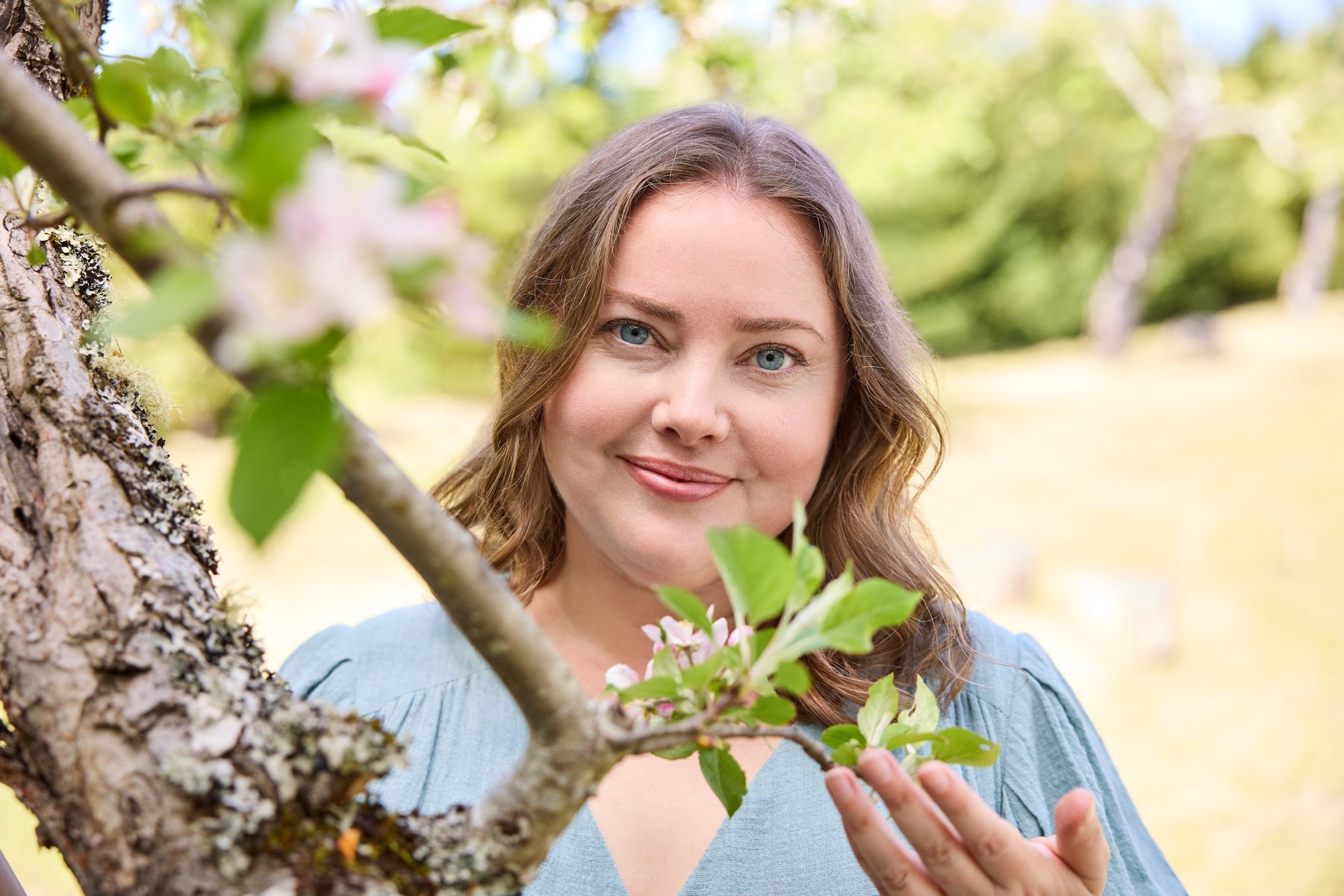
Morning at the Barn starts with plants in raw form. Laurel Shaffer is sorting what came in from regional farms, checking scent and color before anything is ground, dried or steeped. It is quiet work, done in house in Petaluma, and it sets the pace for everything that follows. Her hands know each harvest, and the room smells of soil and drying leaves.
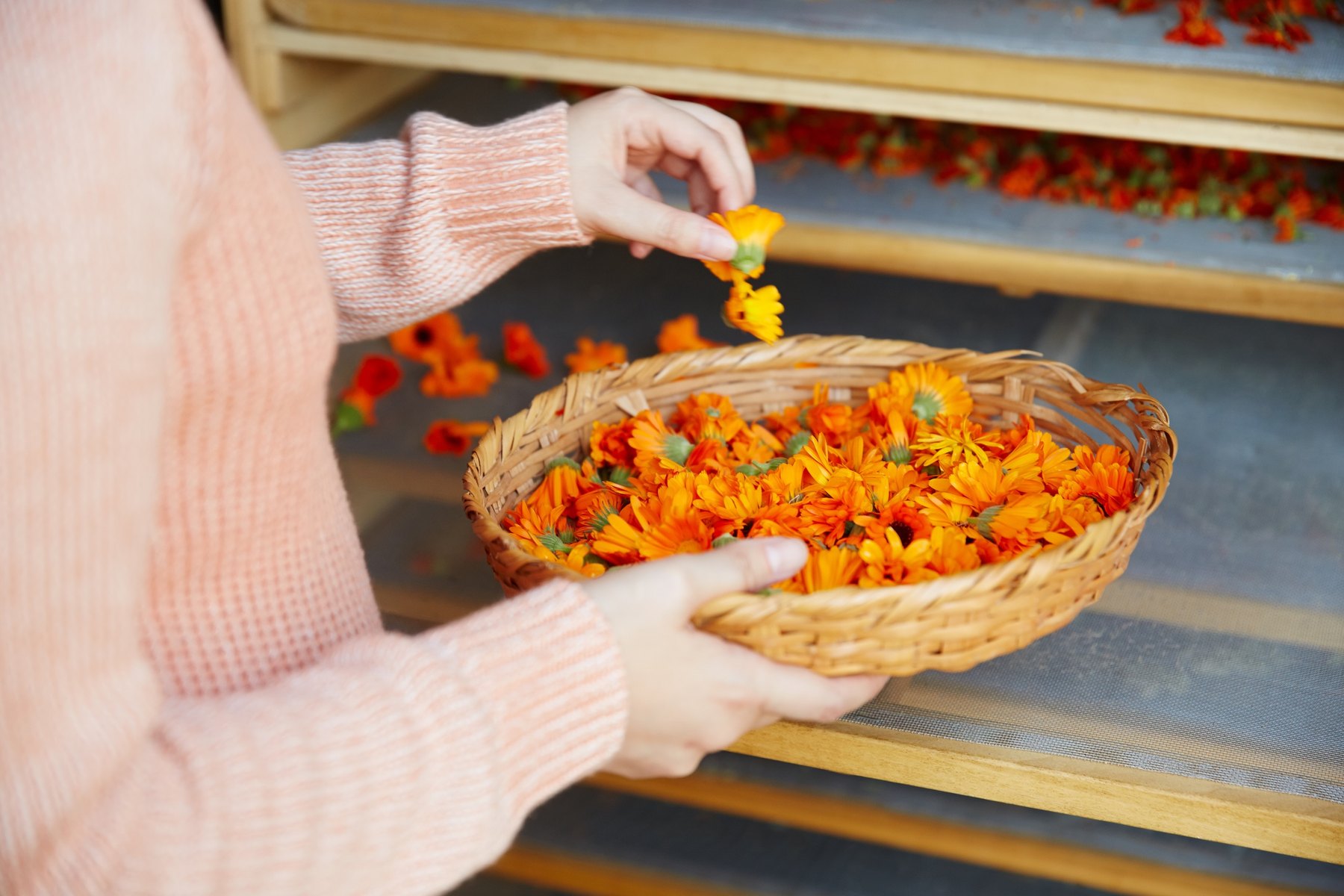
Laurel Shaffer is up early at the Barn in Petaluma, where the Petaluma River moves slowly past and the day begins with whole plants. The team brings in raw harvests from regional artisan farmers in crates and paper sacks. She smells them, looks closely, decides what is ready to grind and what needs more time to dry. Nothing is rushed. The apothecary lab fills with the sound of cutting, pouring and stirring.
She grew up on a GMO corn farm in rural Illinois, spending daily time looking for wild plants in fields and creek beds. At nineteen she drove west to California and never looked back. She trained as both a sommelier and an herbalist, working in a Michelin starred restaurant while studying at the California School of Herbal Studies. Through wine she found biodynamic and regenerative farming grounded in rhythms of nature. Through her own health she found a deeper reliance on plants.
When Laurel Skin was born, it came from that combined study. Slow food sourcing, phytochemistry and herbalist practice, brought together as whole plant organic skincare made in close relationship with farmers. Today she lives on a six acre biodynamic herb farm with her husband Eric and their two dogs, and all production stays under one roof at the Barn.
What others miss is how literal the slowness is. Extracts are made by hand and steeped for months before they are hand poured into bottles. Formulas keep complete plant chemistry instead of isolates. Abundant plants are chosen over exotic ones because they thrive and give back to the Earth. This conversation is about why she chose the harder ingredient, how the work is done, and what that asks of the people who use it.
Thank you for welcoming us into the Barn, Laurel. You grew up on a GMO corn farm in Illinois where you looked for wild plants in fields and creek beds. What did those early years teach you about plants?
I learned to listen to plants long before I learned to formulate. As a child on that farm, I spent daily time looking for wild plants in fields and creek beds. I did not have language for it then. I just knew those small green places felt alive in a way the corn did not. They were unplanned and resilient. They returned each year without input or praise.
Later I understood the contrast more clearly. That kind of farming was not in alignment with rhythms of nature. It taught me what I did not want for my own work. I care deeply about spas, wellness, farming and herbal medicine. That love started with noticing. Plants make it clear when they want to be used for a formula or a specific symptom, and they often even grow abundantly for our partnering farms when they want to be included. I still trust that signal first, before chemistry, before trends.
You drove west at nineteen and trained on two paths at once, as a sommelier in a Michelin starred restaurant and as a student at the California School of Herbal Studies. How did wine lead you back to the farm?
My inspiration mostly comes from the plants themselves, the farmers I work with, and nature. Sommellerie gave me a way to taste that connection. In wine, especially biodynamic and regenerative wine, you learn that farming shows up in the glass. You can taste soil and care and timing. You learn to respect harvest decisions and vintage variation rather than fight them.
At the same time I was studying herbal medicine and growing disillusioned with Western medicine while managing my own health. I was turning to plants for daily support and finding real steadiness there. I was also disenchanted with organic beauty products that seemed harmful or unnecessary and not connected to real plant medicine, Earth, or farm source. I set out to study herbal medicine to create a genuinely organic line using only plants and foods in purest form for estheticians and spas. Slow food sourcing taught me sourcing. Phytochemistry taught me chemistry. Herbalism taught me patience.
You speak of slow farmed beauty and plant medicine for the skin. When Laurel Skin was born, what promise did you make about what would be in the bottle and what would never be?
Unapologetically, whole plant. That is the promise. One hundred percent whole plant organic skincare with complete plant chemistry, slow farmed and made in house. I believe that all plants are medicine, so choosing a favorite is a bit like choosing a favorite child. But how we use them matters as much as which ones we choose. Purity is not enough without relationship.
We refuse isolates and stripped ingredients that take one compound and leave the rest behind. We refuse commercial chemically refined extracts. We refuse outsourced production outside the Barn. I also focus on ingredients that I can obtain that are as genuinely unrefined as unprocessed as possible. It is slower and it costs more in time and care, but it keeps the plant intact and the formula coherent. Love in the supply chain is not a slogan for us. It is how the formula holds together from soil to skin.
You choose abundant and thriving plants from partnering farms rather than trendy or exotic ones. What does abundance tell you about potency?
I gravitate towards plants that are abundant and thrive for our partnering farms as opposed to trendy or exotic plants. That choice guides every formula. When a plant thrives nearby without forcing, it is already suited to that soil and season. That vitality comes through in scent, color and feel.
Abundant and thriving plants tend to be the most potent medicine for our skin, and using them actually gives back to the Earth rather than takes from it. It lets us stay in relationship with regional farmers instead of chasing a rare ingredient across the world. We can visit the field and walk the rows. We know how it was grown and when it was picked. We bring it to the Barn raw and do the work ourselves. That closeness keeps us honest. If a plant struggles here, we do not force it. We wait or we choose another plant that wants to grow.
I learned to listen to plants long before I learned to formulate.
Laurel Shaffer
Everything is made at the Barn in Petaluma, where raw plants are ground, dried, mixed, steeped for months and hand poured. Why keep all of that under one roof?
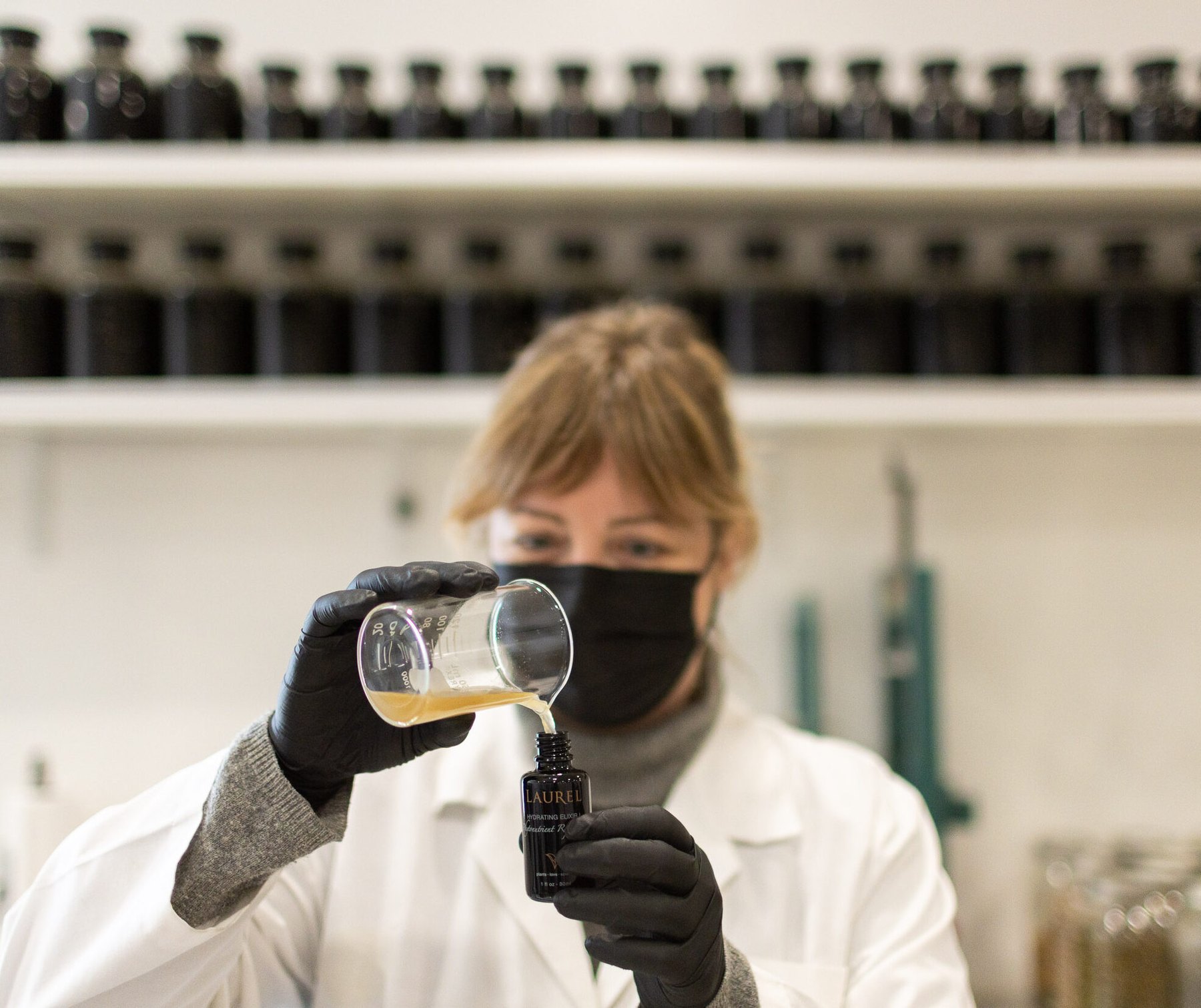
Because quality lives in the details you cannot see on a specification sheet. Plants are sourced from regional artisan farmers, brought to the Barn lab in raw form, then ground, dried, mixed, steeped for months into handmade botanical extracts and hand poured into bottles in house. Each step is observed by our own team. Nothing leaves the building until it is ready.
I would rather make botanical extracts in house over months than buy commercial chemically refined extracts. I would rather keep all making in house under one roof than outsource production. When you steep slowly, you learn the batch. You watch color deepen over weeks. You smell when it turns and know when to stir or wait. That cannot be rushed without changing what the plant offers. Keeping warehouse fulfillment, customer care, and marketing and education with esthetician partners in the same place means feedback travels fast, from treatment room back to the lab bench.
You have written about carrier oils that quality matters more than the choice itself, naming jojoba and rosehip. For someone blending at home or reading a label, how should they think about those oils?
Especially with carrier oils, the quality of the ingredients is more important than the ingredients you choose. A fresh, unrefined oil from a cared for farm will support the skin in a way a refined, tired oil will not, even if the names on the label look the same. Origin and processing tell the real story. I always ask who grew it, how it was pressed, and how it smells on arrival.
Jojoba provides a strong base that can help keep formula stable and deliver nutrients down deeper into the skin. It is technically a wax ester, close to skin sebum in feel, which is why it layers so well and suits many skin types. Rosehip has a wide variety of nutrients that make it unique to most other carrier oils. It brings a complex profile that pairs well with slow steeped botanicals. Look for color, scent and source. Those simple signs tell you most of what you need to know before you read any claim.
You shared self care rituals during the pandemic period and spoke of Miraval memories, and of using the products each day with gratitude. What does your own ritual look like?
When I use our products each day I have an immediate sense of peace and well being: a deep appreciation for the plants and the farmers who grew them. That is the ritual. Warm hands, slow breath, press rather than rub. Let scent arrive first and settle the nervous system before you move to the next step. I do not hurry this part.
During that pandemic period, when I shared rituals and Miraval memories, what stayed with me was simplicity. Cleanse gently, steep the skin with moisture, seal with oil, pause between layers. I live on a six acre biodynamic herb farm with my husband Eric and our two dogs, so the practice continues outside the bathroom. Walk the rows in the morning. Notice what is thriving after rain or heat. Bring that attention back to the face and neck in the evening. Care is not separate from farming. It is the same practice of paying attention.
This year you announced a first ever Founders Apothecary Petal Ceremony collection, eight pieces in seventy five hand numbered sets. What is this small harvest about?
It is a return to the apothecary. A ceremony in petals. We made an eight piece hand numbered collection of seventy five sets to honor the plants and the hands that tend them. Small, seasonal, precise. Each set is finished by hand and numbered, so no two feel exactly alike.
For me it is also about education with estheticians and spas and the clients they care for. You can read about whole plant chemistry, but to open numbered bottles made from one slow season, to smell difference between fields and harvests, is another kind of learning. It roots the work in the senses. Plant medicine for the skin is not abstract when you hold the harvest in your hands. My hope is that these sets remind people that skincare begins in soil, and that slowness is part of what makes it work.
Closing note from the desk
What stays with us after this conversation is the steadiness of the method. Shaffer does not chase novelty or reach for distant harvests. She returns to the same farms, the same Barn, the same slow steep, and lets abundance decide the formula. The language is reverent without drifting from craft, grounded in daily tasks of drying, grinding and pouring.
Laurel Skin set out to make genuinely organic skincare from plants and foods in their purest form, with complete chemistry and a clear farm source. In a market that often separates formula from field, the brand keeps them in the same room along the Petaluma River. That closeness is its argument. It is work worth reading slowly, and worth using slowly too.
Product spotlight
Founder’s Apothecary Petal Ceremony Collection, eight piece hand numbered edition of seventy five sets. A seasonal apothecary set made at the Barn to show whole plant chemistry at its most direct. Use as guided, one layer at a time, with slow pressing and a pause between steps to notice scent and texture.
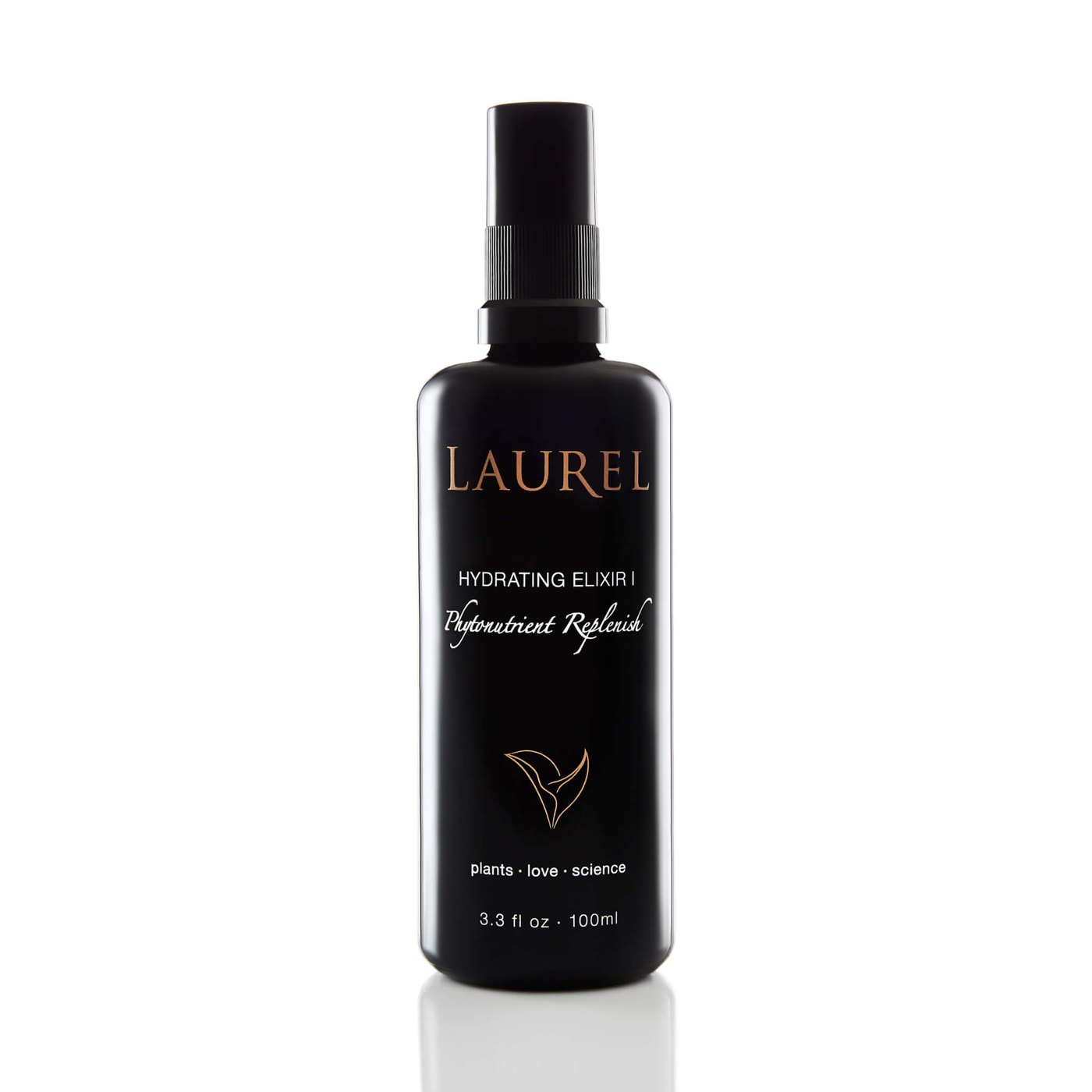
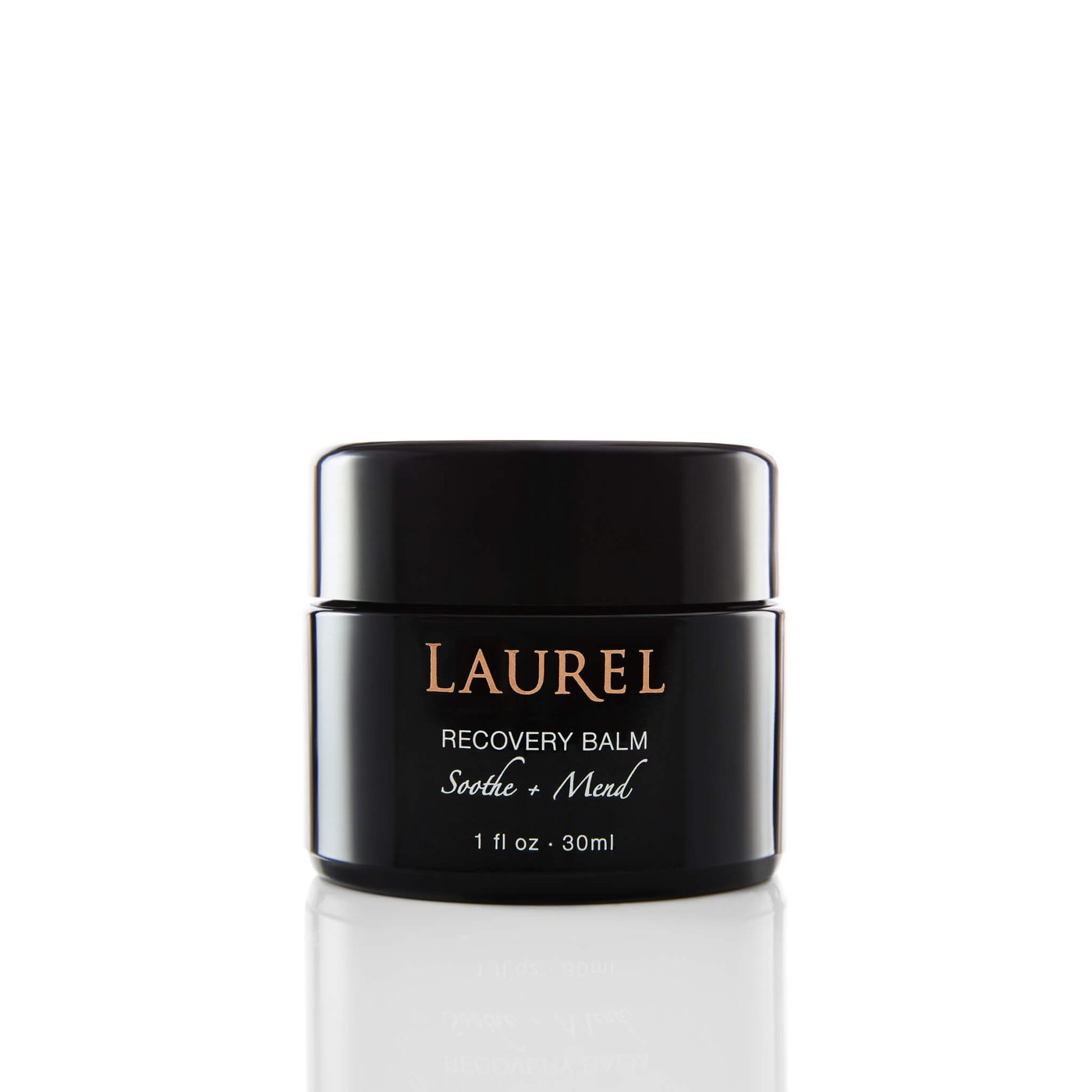
Whole Plant Botanical Extracts, steeped for months at the Barn from regional harvests. The base of the line, built from unrefined carriers including jojoba for stability and delivery and rosehip for its broad nutrient profile. Warm between palms, press into damp skin morning and night, and follow with rest.

Shannon Brekke
Shannon edits the news desk and the field guides at Rooting Moss. She keeps a running list of every plant extract that has appeared in a formula this year.
More from Shannon Brekke →