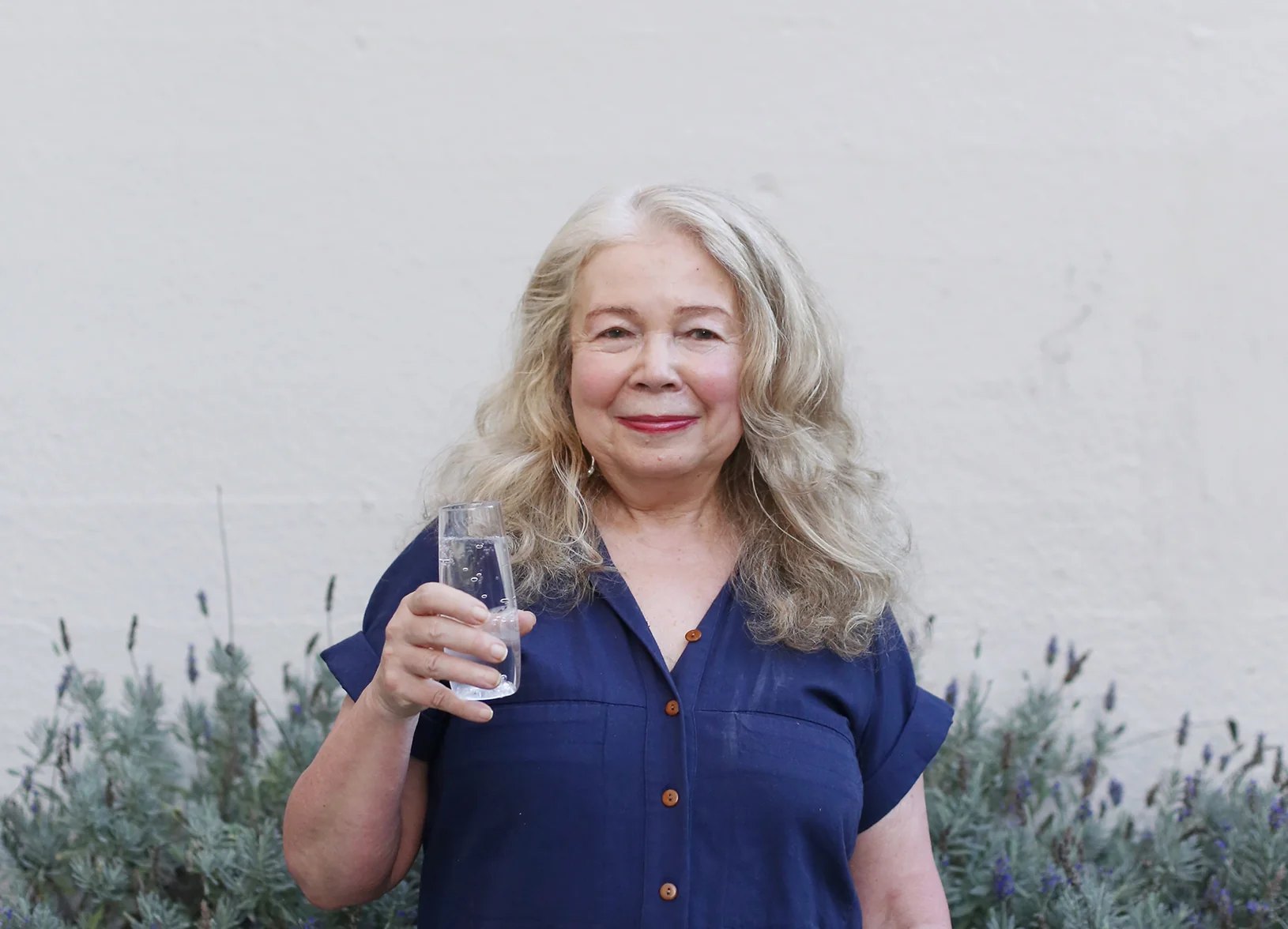
Eye care promises everything and explains little. The skin is thin, reactive, quick to crease and slow to forgive, yet the shelf offers rich balms that cause milia and strong acids that sting. Dr. Chaneve Jeanniton formulates inside that contradiction, with a surgeon’s restraint and a gardener’s respect for soothing plants.
Clinical skincare often speaks in percentages. Higher means better, more steps mean more care. Dr. Chaneve Jeanniton works in the opposite direction. As a board certified oculofacial plastic surgeon in Brooklyn, New York, she measures her surgical success in millimeters, and she brings that scale to skincare. Her line, epi.logic, took three years to develop and grew directly from patient visits at Brooklyn Face and Eye.
Patients came in asking for simple routines that would hold up after Botox, microneedling and lasers. They were tired of complex regimens and products that irritated the skin around the eyes. She began to formulate for that narrow, demanding ground: sensitive skin, post treatment skin, eyelid skin that lacks oil glands and loses water quickly.
What the brand is now reflects that start. A small, edited collection built around retinol, vitamin C and growth factors, balanced with complementary botanicals and emollients. No petrolatum or mineral oil near the eyes. No daily hydroxy acids on eyelids at home. No ten step layering. What we noticed, and what others often miss, is how much of the work is done by plants: aloe, cucumber, chamomile, squalane derived for slip and softness, antioxidants that steady the formula so the actives can stay low and consistent.
You describe your work as taking care of all of the aesthetics of the face while zeroing in on eyes, and you say skincare should be as precise as surgery. What did precision mean to you when you moved from the operating room to the formula lab.
Thank you for having me. As a board certified oculofacial plastic surgeon, I believe skincare should be as precise as surgery. My success is literally measured in millimeters. I take care of all of the aesthetics of the face, and when it comes down to my surgical specialty, I zero in on eyes.
That changes how you think about a formula. In surgery you plan the smallest effective move. You respect tissue. You do not take more than you need. I wanted that same discipline on the shelf. epi.logic was born from a desire to create something that genuinely meets the user needs, providing comprehensive benefits and making the user feel empowered, informed, and confident in their skin.
From concept to launch, developing epi.logic took three years, and the reception has far exceeded my expectations. It took that long because we kept asking what could be removed. We use empirical data. We eliminate potentially reactive additives. We balance essential actives with complementary ingredients to amplify efficacy while neutralizing irritants. I would rather use low concentrations and build up over time than overwhelm sensitive skin.
From concept to launch you spent three years developing epi.logic after patients asked for simple routines that would protect their in office results. What were they telling you in the exam room that the market was not hearing.
Even if a patient comes in wanting to focus on under eye filler, I take our time together as an opportunity to educate her on how she can optimize her home and in office regimens. That conversation kept repeating. People wanted simple, effective daily skincare that addresses common complexion concerns and maximizes treatment results.
They were frustrated by complex regimens and ineffective products. Too many steps. Too many conflicting claims. A morning routine that did not sit well under sunscreen. A night cream too heavy around the eyes. Cosmetics should be a choice not a necessity. That is my skin first philosophy. If the skin looks steady and calm, makeup becomes optional.
So we designed to combine and to suit nearly all skin types including sensitive and post treatment skin. Fewer formulas, each with a clear role. From my clinic to your shelf is not a slogan to me. It is how we work. What helps in the treatment room has to translate to the bathroom counter without a separate manual.
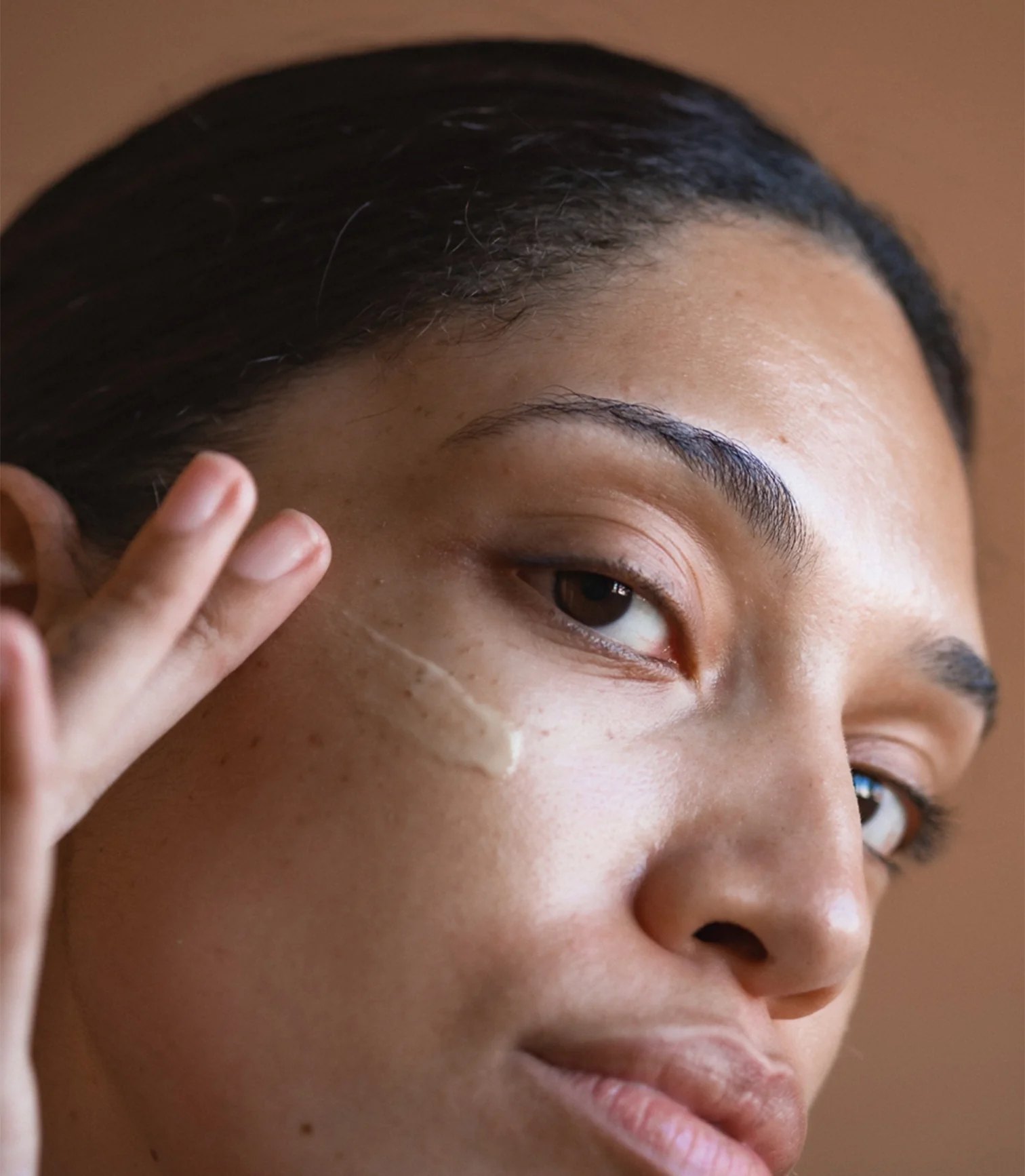
You keep the collection edited rather than expansive, and you speak about surface, shape and structure as one system. How does that idea shape what you choose to plant in a formula and what you leave out.
Surface, shape and structure is how I see the face. Surface is tone, texture, barrier. Shape is volume and contour. Structure is the deeper support. Skincare lives mostly at the surface, but it should respect the rest. If the surface is inflamed or dry, nothing else reads well.
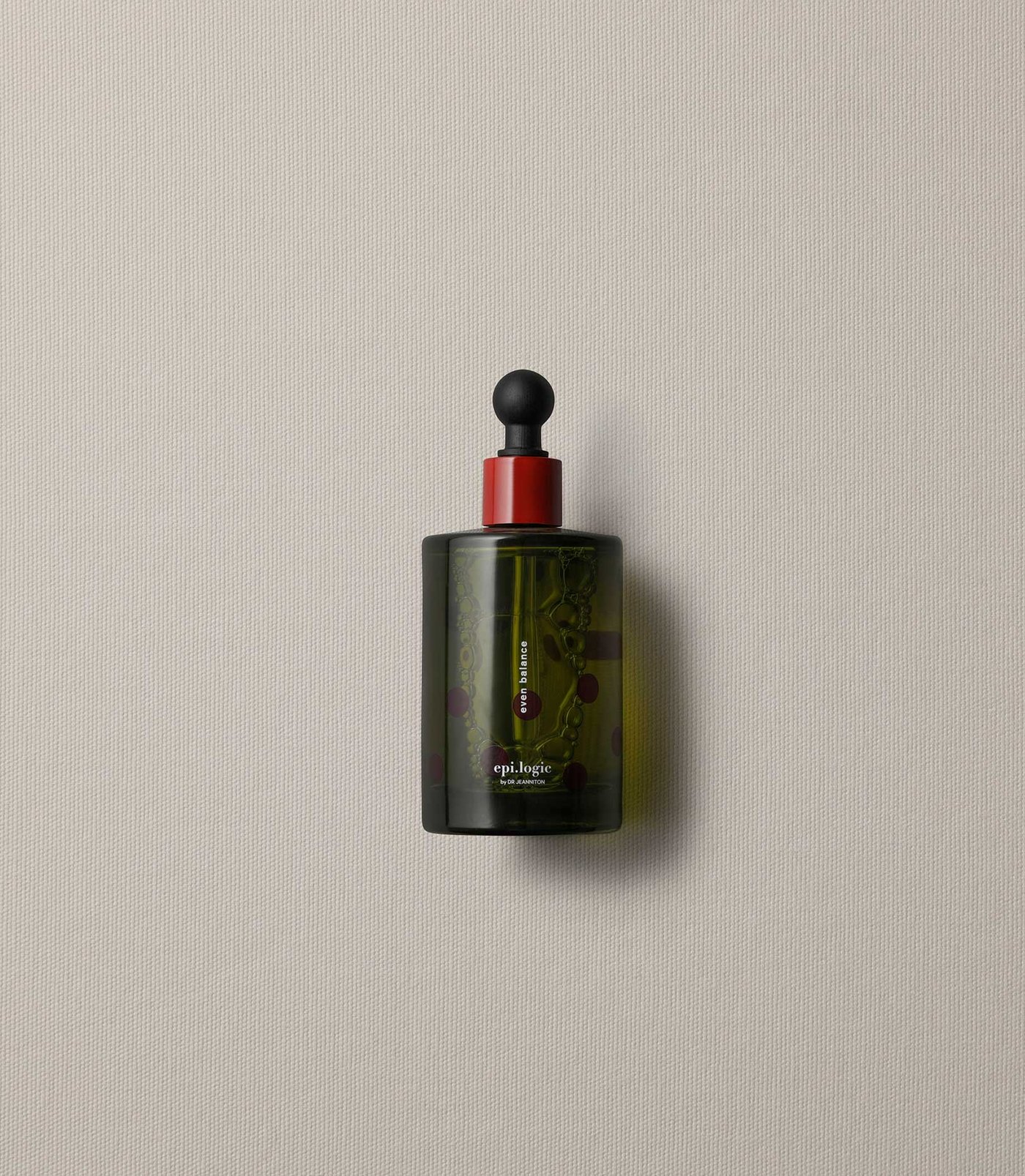
That is why botanicals matter here. They are not decoration. Aloe, cucumber and chamomile extracts calm and comfort the skin. In Even Balance we use that soothing botanical blend with supercritical antioxidants CoQ10 and superoxide dismutase. The plants steep the formula, in a sense. They soften the entry for the actives. They help skin accept treatment without complaint.
What we leave out matters just as much. No petrolatum and mineral oil around eyes due to milia risk. No potentially reactive additives where we can avoid them. I would rather balance actives with complementary ingredients than chase higher percentages. Clinical skincare, evolved, means we keep the clinical intent and refine the vehicle until sensitive skin can live with it daily.
You are a huge advocate of retinoids in eye cream, including retinol and its derivatives, yet eyelid skin is thin and quick to redden. How do you make that pairing work for a home routine.
I am someone who is a huge advocate of retinoids in eye cream. Whether it be retinol or one of the retinol derivatives, are pretty important ingredients. The eye area shows fine lines and loss of elasticity early because the skin is thin and moves constantly. Used well, a retinoid supports the appearance of smoother, firmer looking skin.
The key is dose and delivery. In Eye Contact we use time release retinol with brightening antioxidants, peptides and supple hydrators to address the appearance of dark circles, elasticity and fine lines. Time release disperses slowly rather than all at once. Hydrators cushion. That lets us keep the concentration modest and steady.
Application matters too. Make sure you are getting as much slip between your finger and your eyelids as possible when you start to apply the product. Warm a small amount, glide without pulling, press gently. If you drag thin skin, you create irritation that has nothing to do with the formula.
You draw a clear line on acids, saying you are comfortable using them around the eyelid in the office but would not recommend daily hydroxy acids on eyelids at home. Where should plant acids and fruit derived exfoliants live instead.
Certainly, in the office, I am comfortable using acids around the eyelid but not something I would recommend for the home environment. In the office I can control strength, time, neutralization and aftercare. At home, the eyelid margin is too close to the eye, and daily use builds irritation that is hard to reverse.
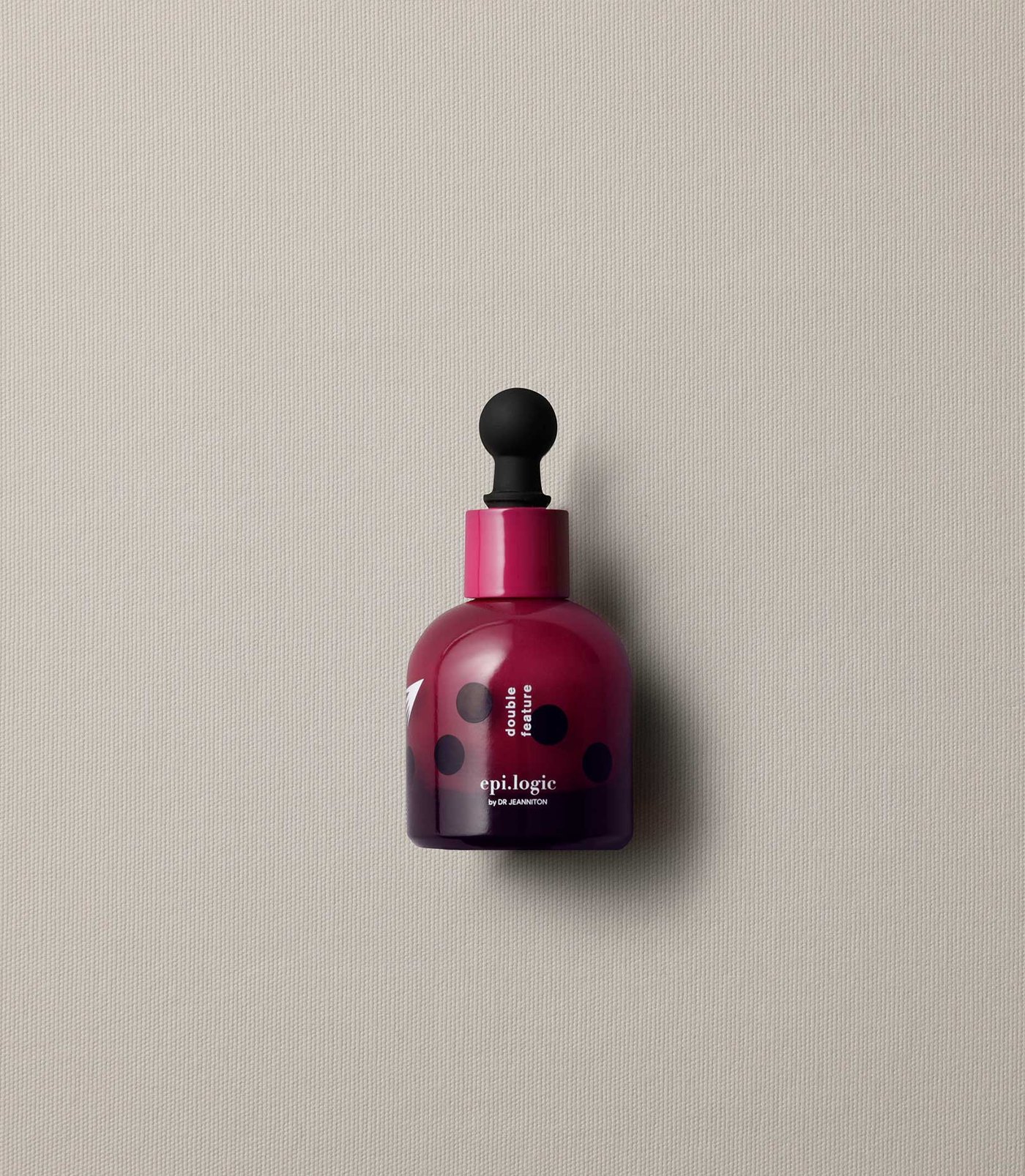
So we place our exfoliating botanicals and gentle acids where the skin is sturdier. Double Feature is an all in one concentrate that slowly disperses encapsulated time release retinol and Vitamin A complex along with AHAs, lactic and mandelic acids, in a squalane base. It is for the face at night, not the lash line. Lactic acid is a larger molecule that also draws water, mandelic acid is slow and even in its action, and squalane gives slip and supports softness.
Clean Reveal uses glycolic acid and gluconolactone in a silky gel cleanser designed with reactive skin in mind. It rinses away. That short contact, then calm after, is the right rhythm for many sensitive users.
Make sure you are getting as much slip between your finger and your eyelids as possible when you start to apply the product.
Dr. Chaneve Jeanniton
Squalane appears in your night concentrate as the base that carries retinol and AHAs. Why did you choose that emollient over heavier occlusives, especially given your rule against petrolatum near the eyes.
Squalane behaves like a familiar oil to skin. It spreads thin, absorbs cleanly, leaves a soft finish without a heavy seal. Heavier occlusives like petrolatum and mineral oil can trap and lead to milia around the eyes, those small white bumps that come from blocked pores. I refuse to use them there.
In Double Feature, squalane does quiet field work. It carries. It buffers. It lets encapsulated retinol and acids disperse slowly over the night. The skin feels nourished but not smothered. For barrier support we look to ingredients that flex: hyaluronic acid to hold water, glycerin to draw it, squalane and similar emollients to keep it from leaving too fast.
Eyelids lack sufficient oil glands, making them vulnerable to dryness, so humectants and emollients like glycerin, hyaluronic acid and squalene help support hydration. That is the same logic across the line. Give dry areas water and a light cover, not a thick lid.
Even Balance pairs aloe, cucumber and chamomile with CoQ10 and superoxide dismutase. What do those field plants actually do in the formula, and when should someone reach for it in the day.
Even Balance is our calm step. A soothing botanical blend of aloe, cucumber, and chamomile extracts calms and comforts the skin. Aloe brings water loving polysaccharides that feel cool and help skin look less tight. Cucumber is mostly water with a fresh, light feel that layers well. Chamomile contains flavonoids traditionally used in skincare to comfort the appearance of redness. None of them do the resurfacing work. They prepare the soil, so to speak.
Then we add supercritical antioxidants CoQ10 and superoxide dismutase. Supercritical refers to a clean extraction method that uses pressurized carbon dioxide to draw out fragile compounds without harsh solvents. CoQ10 is naturally present in skin and helps defend the appearance of skin against environmental stress. Superoxide dismutase is an enzyme that helps neutralize oxidative stress on the surface.
Use it after cleansing, before serums or creams. Morning and night if skin runs reactive. It suits post treatment days when skin wants cool quiet rather than activity.

Hyperpigmentation comes up often in your teaching, and you note that melanin rich skin can be more prone to it and slower to clear it, with sunscreen as a crucial step. How do your botanical and brightening choices fit that slower, steadier approach.
Hyperpigmentation needs patience. Melanin rich skin can be more prone to hyperpigmentation and can have a trickier time clearing it, and sunscreen is described as crucial in treating it. Without daily sun protection, brightening work is undone each afternoon.
Our approach is low and layered. Vitamin C in Daily Dose supports the appearance of brighter, more even tone over time. Retinoids encourage the appearance of renewal. Botanical antioxidants steady the environment so skin looks calm while tone evens. We avoid daily strong acids near the eyes at home because inflammation can worsen the appearance of dark marks.
Chemical sunscreen close to the eyes can cause tearing and irritation, while mineral sunscreen can leave a white cast, so hats, sunglasses and UV avoidance are also used. I tell patients to think in seasons, not weeks. Gentle consistency, sun care, a simple routine you will actually keep. That clears the look of spots more reliably than aggressive peels done without a plan.
You have said establishing a footprint in New York is tough when you are intentionally keeping things small, and that it is imperative to have a clear concept of what makes your contribution unique. What has small allowed you to protect in how you source and blend.
Establishing a footprint, especially in an area as competitive as New York is tough when you are intentionally keeping things small. We have a small staff including a medical assistant and aesthetician, plus consultants for brand strategy and public relations. That size keeps decisions close to the patient.
It is imperative to have a clear concept of what makes your contribution unique. Ours is eye area judgment applied to the whole routine. Small lets us protect that. We can keep concentrations modest. We can insist on complementary botanicals even when they cost more or complicate blending. We can refuse heavy occlusives near the eyes and refuse to recommend daily eyelid acids for home use, even if those claims sell.
Brooklyn Face and Eye is Dr. Jeanniton’s practice in Brooklyn, New York, focused on aesthetics of the face with a surgical focus on eyes. Staying rooted there keeps feedback short. A patient reports back in two weeks. We adjust teaching, not just formulas. From my clinic to your shelf stays honest when the clinic is down the hall.
Closing note from the desk
What stays with us is the restraint. A surgeon who could have built a long menu chose a short one. A formulator who could have chased strength chose time release, modest doses and plants that comfort. The conversation kept returning to tissue, slip, water loss, sun, the unglamorous facts that decide whether a routine survives February.
epi.logic set out to make clinical skincare simple enough for sensitive and post treatment skin, precise enough for the eyelids, and steady enough to support in office work. Read slowly, that is a botanical story too. Roots of aloe and chamomile, a squalane field that carries stronger actives, harvest timed overnight rather than forced by day.
Product spotlight
Even Balance, 65 dollars. A daily botanical toner with aloe, cucumber and chamomile plus CoQ10 and superoxide dismutase. It comforts the appearance of tight or flushed skin and prepares the surface for serum. Use after cleansing morning and night, patting a small amount over face and neck before heavier layers.
Double Feature, 140 dollars. A night concentrate in a squalane base with encapsulated time release retinol, Vitamin A complex, lactic and mandelic acids. It supports the appearance of smoother texture and more even tone while you sleep. Use a pea sized amount on dry face in the evening, avoiding the eyelids and lash line.

Shannon Brekke
Shannon edits the news desk and the field guides at Rooting Moss. She keeps a running list of every plant extract that has appeared in a formula this year.
More from Shannon Brekke →