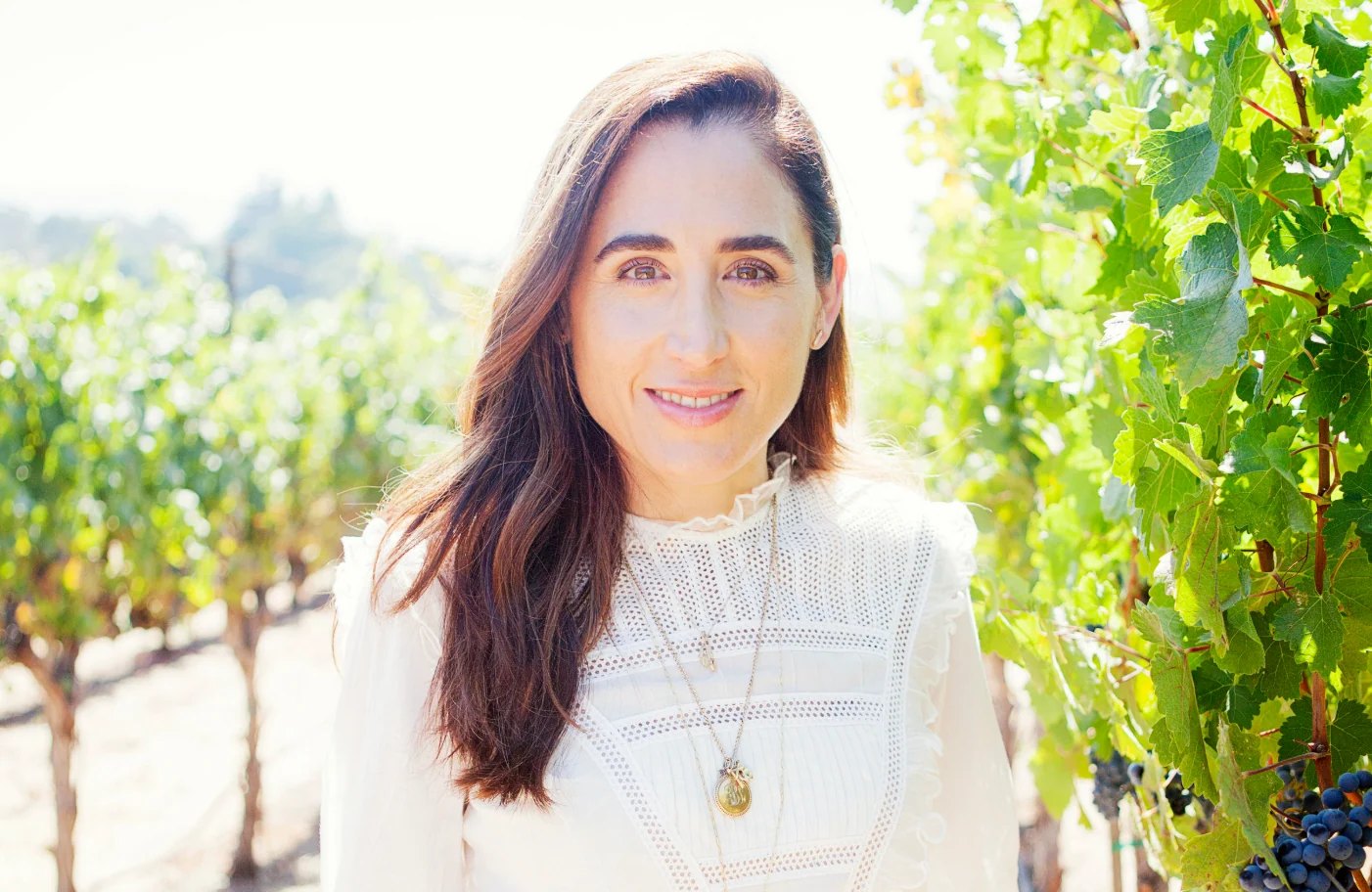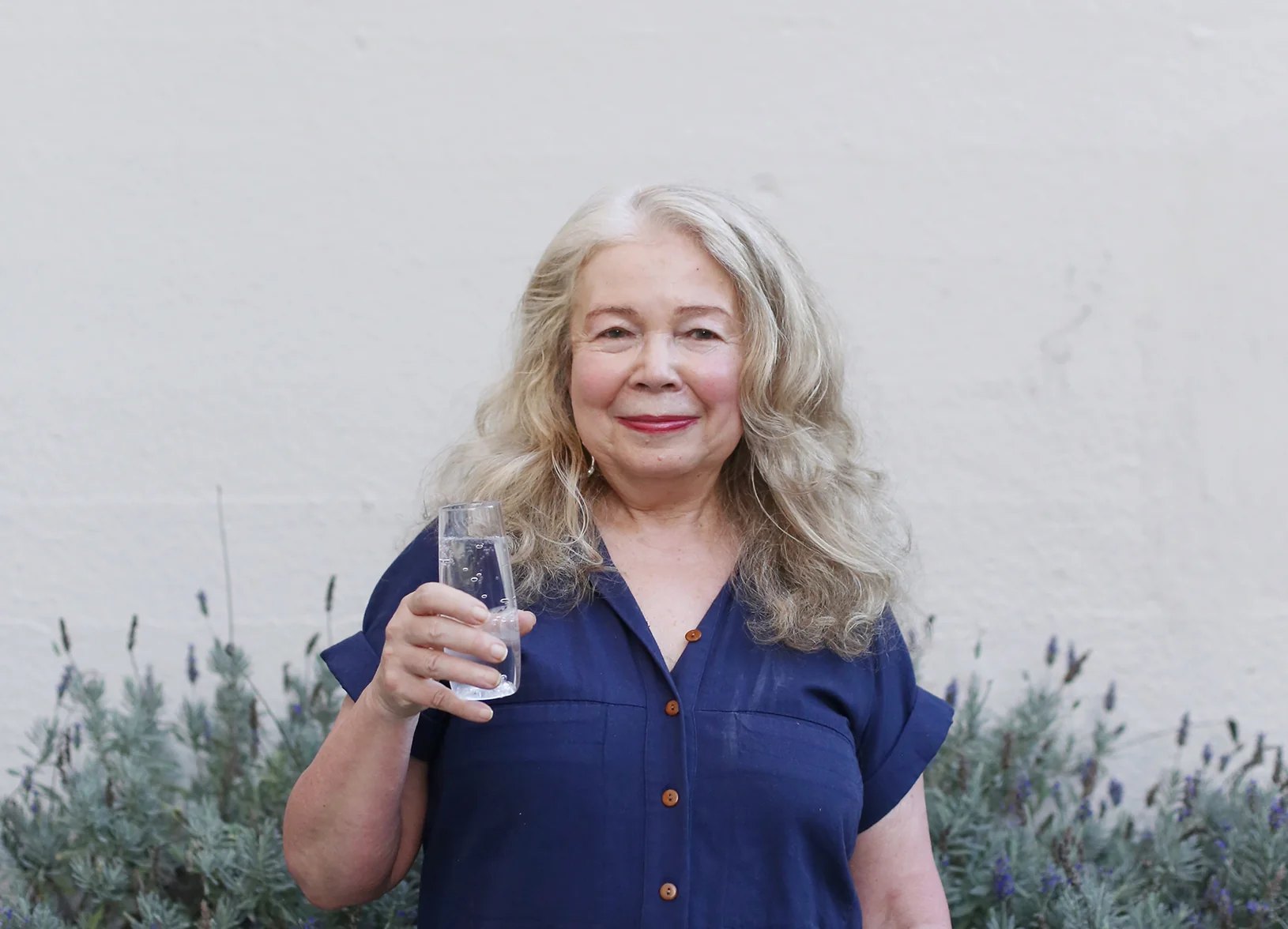
The creation of Lindi Skin started with my experience watching friends go through cancer treatment. Lindy Snider says it plainly, without preamble, and that plainness tells you almost everything about how she formulates, listens and leads.
The creation of Lindi Skin started with my experience watching friends go through cancer treatment. Lindy Snider says it in one sentence, and it holds the whole method. She watched, she asked, and then she stayed to do the work.
Snider founded Lindi Skin in Ardmore, Pennsylvania in 2003, after leaving part time work in special projects at the Wachovia Center in 2002. She is a cancer survivor herself, and she built the line with oncologists, dermatologists, nurses, patients and formulators. The first products sold on the website in May 2004. By 2008 the line had grown to 14 products, used in more than 50 hospitals and sold in almost 100 stores, most of them in hospitals and cancer centers.
What others miss is how botanical this clinical story is. The formulas lean on plant oils, lavender and citrus, antioxidants and vitamins, chosen not for story but for tolerance. Every ingredient is reviewed for safety for chemo and radiation skin and for soothing effect. The result is meant to feel elegant and luxurious, never medical, even when the skin it serves is raw, dry and reactive.
You began by watching friends in treatment who expected nausea, fatigue and hair loss but did not expect what would happen to their skin, and in 2000 you asked singer songwriter Lauren Hart why she did not ask her doctor for a cream and she said there was nothing, what did that exchange set in motion for you.
That conversation stayed with me. The creation of Lindi Skin started with my experience watching friends go through cancer treatment. They expected the nausea, fatigue and hair loss associated with chemotherapy and radiation therapy, but they were not aware of the impact that these therapies would have on their skin. When Lauren told me there was nothing to ask for, I was perplexed. I thought, how can the large pharmaceutical and cosmetics firms not have a line geared to this need.
In discovering there was not one line of skin care products specifically developed for people with cancer, it occurred to me that someone had to create one. And that person ended up being me. I started searching for information and speaking to doctors and dermatologists. Lauren pulled together patients to test texture, fragrance and packaging, and to tell us honestly what helped. That counsel shaped everything, from how a balm spreads on cracked hands to how a wash rinses without sting.
In 2002 you left your part time job at the Wachovia Center and started Lindi Skin in Ardmore with scientific advisers including oncologists and dermatologists, plus your fiance Larry R. Kaiser, a University of Pennsylvania surgeon and oncologist, how did you turn a living room concern into a first complete line designed specifically for treatment skin.
I knew I could not do this alone, so in formulating Lindi Skin products, we aligned with dermatologists, oncologists, nurses, patients and skincare formulators to create products that can treat even the most sensitive of skin. Each voice had a place at the table. The doctors spoke to safety during chemotherapy and radiation. The nurses spoke to daily care on the ward. The patients spoke to feel, scent and dignity. The formulators helped us translate all of that into stable formulas.
Our formulas are unique, gentle, and soothing. We use the finest ingredients for the ultimate hydration. We would rather spend on unique formulas than on containers or advertising. That choice kept us rooted. We were not trying to repackage normal skin formulas. We were trying to make the first complete skincare line designed specifically for people whose skin had become thin, dry and easily irritated.
You say you review every ingredient for safety for chemo and radiation skin and for soothing effect, using botanicals, antioxidants and preservatives to combat bacterial growth, what does that review look like in practice when the skin is already compromised.
We start with a different question. We ask, is this safe for chemo and radiation skin, rather than, will this work for normal skin. That changes the field we pick from. We refuse harsh cleaning agents that strip skin of moisture. We refuse greasy texture or intolerable fragrance. We look for botanicals, antioxidants and vitamins that calm, soothe, and hydrate without burdening fragile skin.
Preservatives matter here too. When skin is cracked or sore after radiation, protection against bacterial growth is part of care. So we choose systems that keep the product safe in the jar and gentle on skin. Beauty plus health is how we think about it. The plant is interesting because of what it does in the formula, how it softens, how it holds moisture, how it sits on sore skin, not because it sounds natural on a label.
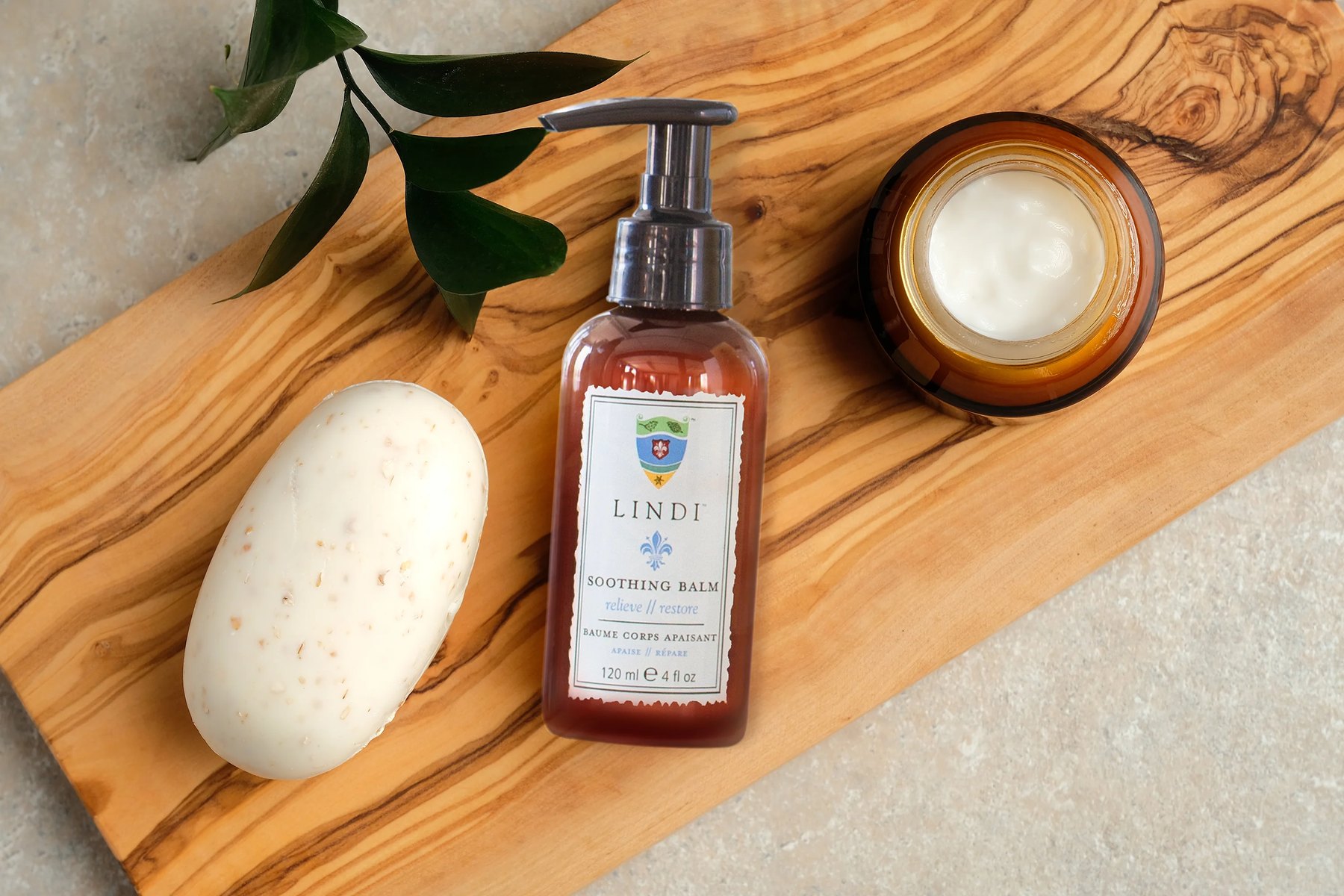
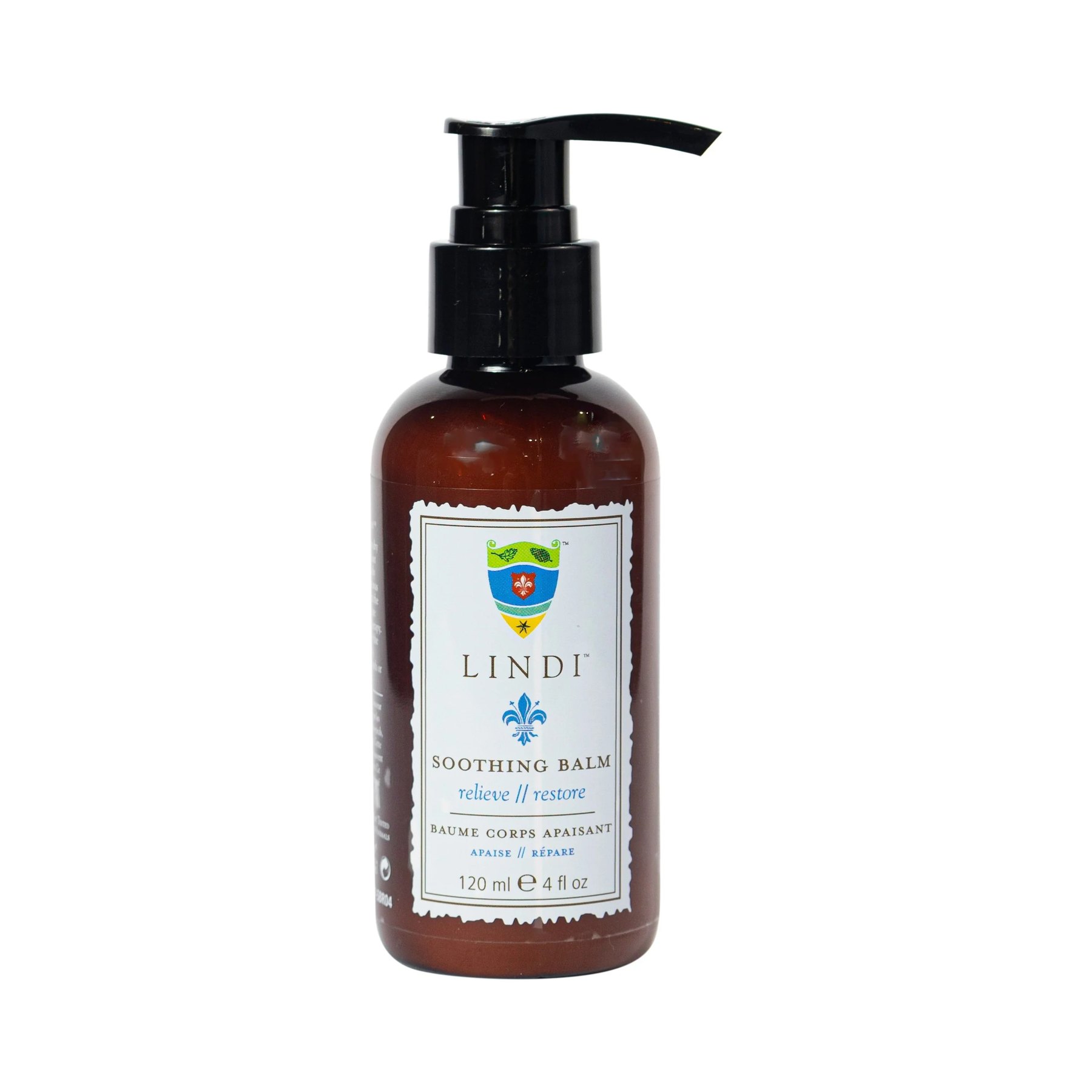
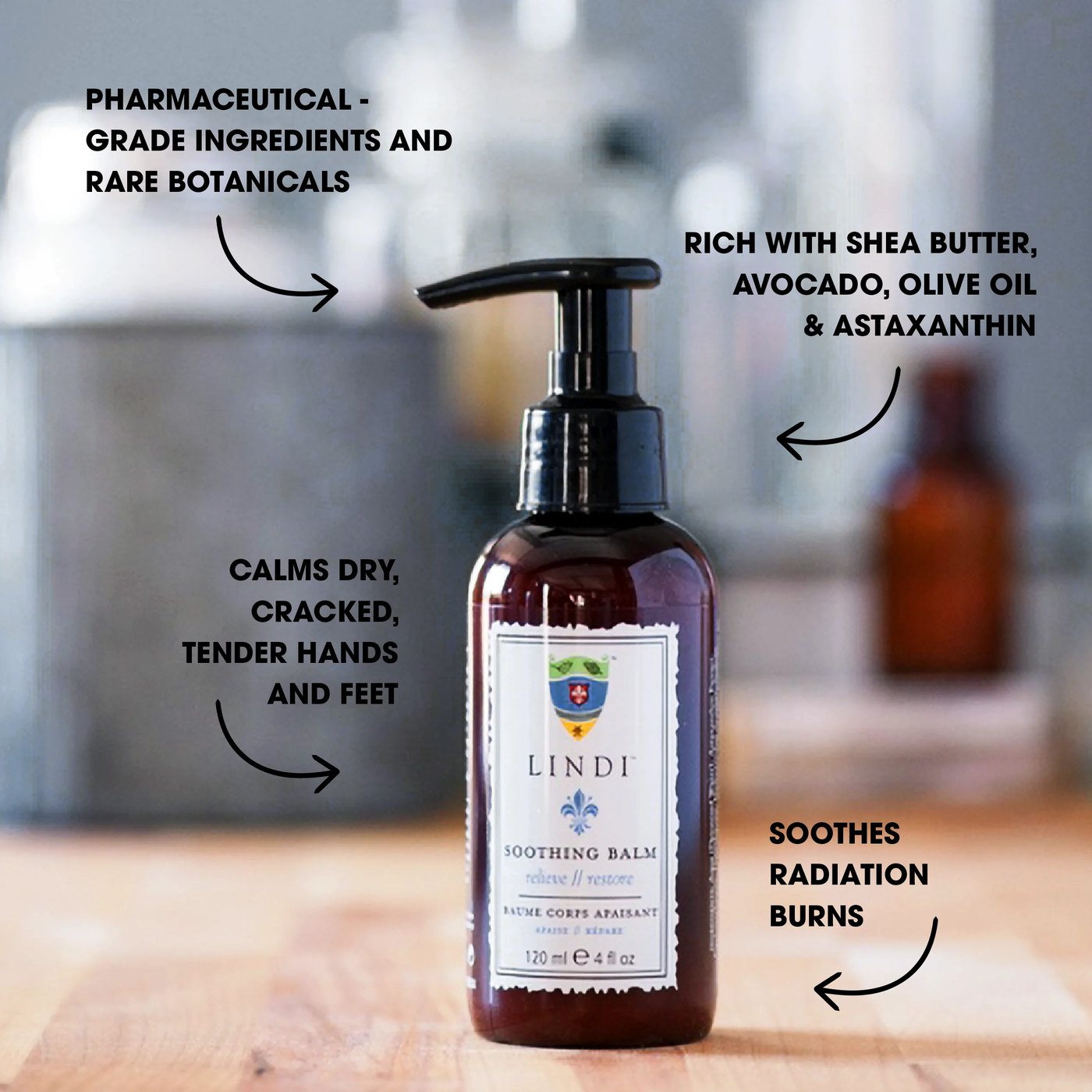
Your signature Soothing Balm at 35.95 dollars was developed with oncologists and dermatologists and described as clinically proven to soothe skin irritated by radiation, how should someone use it on hands and feet and on radiated skin, and what makes its texture work when other creams feel too heavy or too scented.
The balm is where many people meet us. Use it on hands and feet when chemo leaves them cracked and sore, and on skin irritated by radiation when it feels dry and tight. I like a small amount warmed between the palms, then pressed where skin splits or pulls. It is in almost every collection because it answers the most common complaint, which is dryness that will not settle.
Our products, elegant and luxurious, are intended to help you look and feel incredible. That was deliberate. People told us existing sensitive skin products seemed greasy, fragranced or not helpful. We wanted something rich enough to protect, but refined enough to use every day. Clinically proven, for us, means tested with the people and clinicians it was made for, and kept close to what they asked for, which was calm, comfort and a scent that does not overwhelm.
The Cooler Roll at 49.95 dollars is a cooling hydrogel wrap created with oncologists and dermatologists to soothe skin irritated by radiation, and you pair it with the balm in the basic set, how do those two steps work together in the ritual of a radiation day.
Think of it as cool first, then seal in comfort. Use the Cooler Roll on the treated area when it is hot and sore from radiation. It brings a clean, cool feeling that helps skin feel settled. Then follow with the Soothing Balm to keep the area from drying and splitting between sessions. That order matters. Cool the heat, then support the barrier that radiation has left thirsty.
Patients helped us learn the rhythm. They told us when the sting peaks, how a wrap should drape, how a balm should glide without tugging. Our formulas are unique, gentle, and soothing, but the ritual is just as important. Slow application, clean hands, no rubbing. It is skincare as tending, repeated morning and night until skin feels more like itself again.
We have passed the point of being a company that sells something.
Lindy Snider
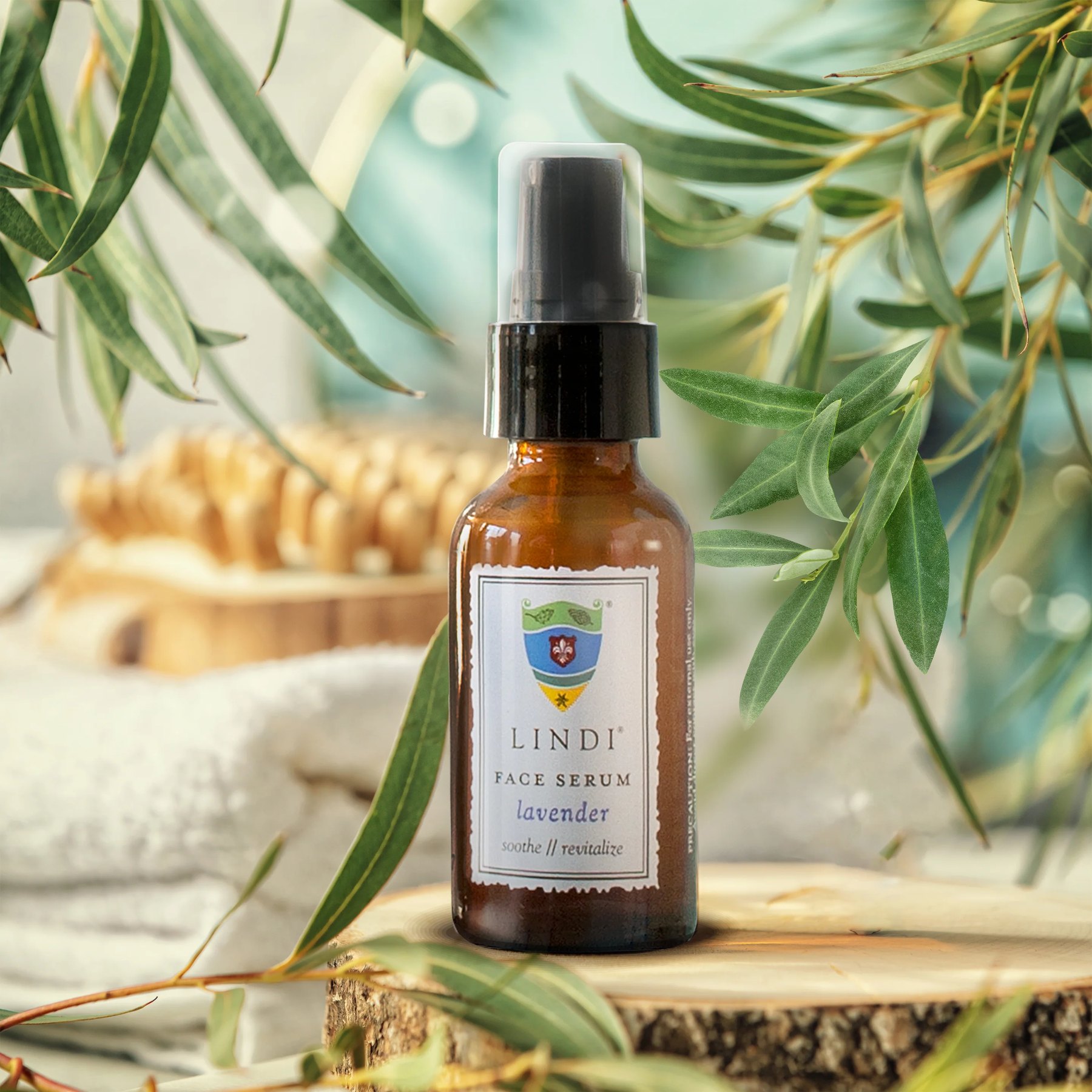
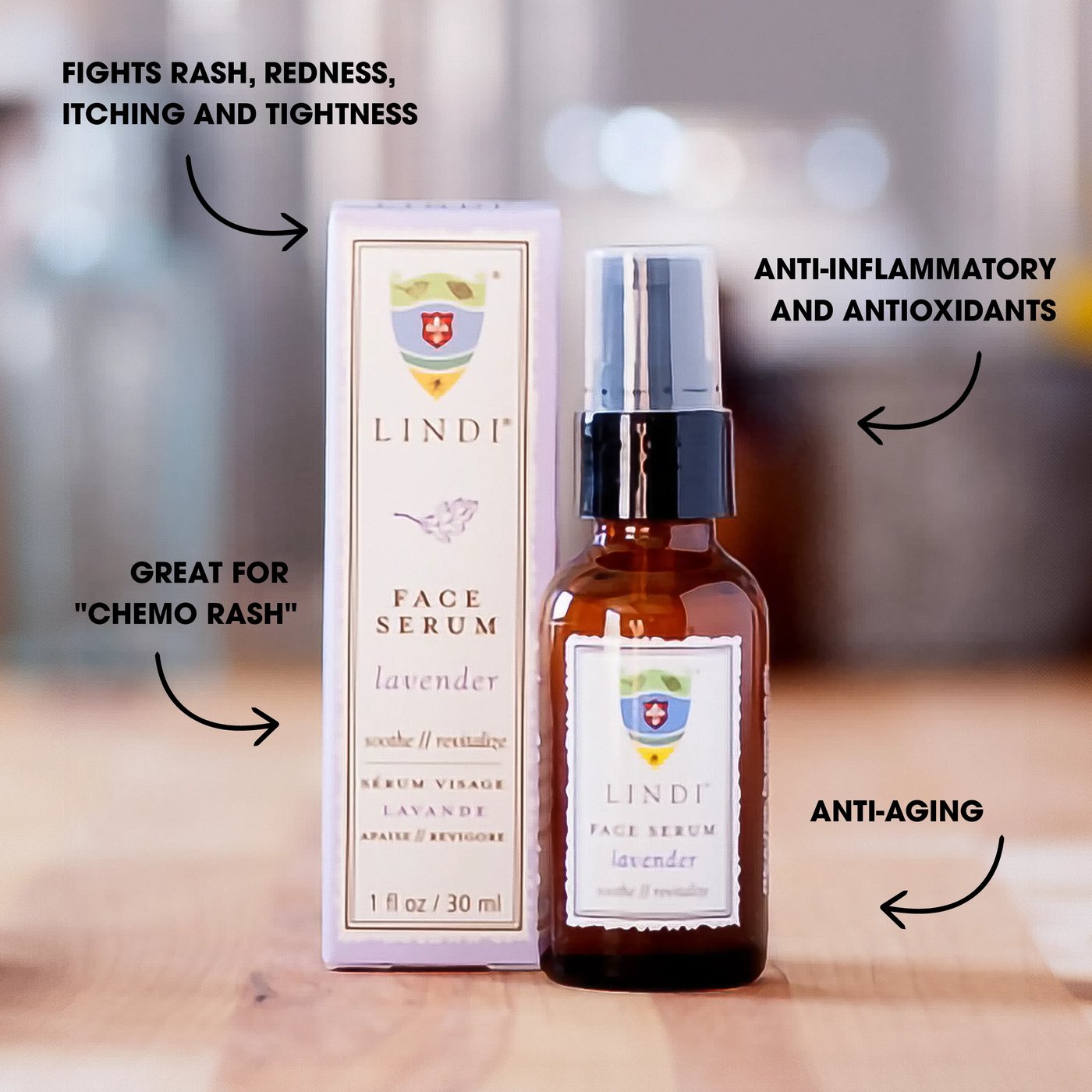
Your Lavender Face Serum at 48.95 dollars blends botanicals, antioxidants and vitamins to provide moisture and reduce the look of redness, with one drop repeated during the day if needed, why lavender for a face made reactive by treatment, and how do citrus and lavender versions differ in use.
Treatment can leave facial skin dry, tight and quick to react, at the point where the serum you used for years starts to sting. We made this serum for that moment. Use it on the face morning and night, with one drop repeated during the day if needed. The botanicals, antioxidants and vitamins are there to provide moisture and soften the appearance of redness, while the base stays light enough to layer under moisturizer.
Lavender was chosen for calm. Patients told us the scent helped the routine feel restful, and the formula helped dry skin feel supple again. Citrus offers the same support with a brighter scent for those who prefer it. Both are built around the same idea, which is to calm, soothe, and hydrate without weight. We are excited to offer the rejuvenating power of our products to everyone, including people with sensitive skin who stay with us after recovery.
Your Body Wash at 26.95 dollars and Face Wash are both soap free and non foaming, made to be used in the shower instead of ordinary soap when soap has started to sting, what did you learn about cleansing that changed how you formulate for dryness and itch.
We learned that washing can be part of the problem. Ordinary soap and foaming washes strip the oils that dry, tender skin cannot spare. When chemo dries skin everywhere, and radiation dries one area deeply, the wash has to stop taking and start supporting. So our wash is soap free and non foaming. Use it in the shower instead of ordinary soap, with warm water and light hands.
We refuse formulas made for normal skin and repackaged for treatment skin. That refusal starts in the shower. No harsh cleaning agents that strip skin of moisture. No foam for the sake of foam. Just a base that leaves skin feeling clean but not tight, ready for lotion, balm or serum. People with all over itch notice the difference first, then they notice their moisturizer starts to work better.
You have said we have passed the point of being a company that sells something and that you are positively impacting the lives of people who have very little reason to be optimistic, and since 2005 you have donated more than 500,000 products, how does giving sit alongside selling in hospitals and cancer centers.
We have passed the point of being a company that sells something. We are positively impacting the lives of people who, more often than not, have very little reason to be optimistic. That sentence still guides us. Selling in hospitals and cancer centers keeps the products where nurses can place them in a hand at the right moment. Giving keeps them where cost would keep them out of reach.
Since 2005 we have donated more than 500,000 products to non profit cancer organizations, hospitals and caregivers. It is practical care, not symbolism. A balm for cracked feet, a wash that does not sting, a cooler for a hot afternoon. Our promise is to formulate the highest quality, gentle, luxurious products to help improve the lives of those affected by chemotherapy and radiation. If luxury means anything here, it means being treated with gentleness when you feel most exposed.
You kept the line focused through growth to more than 1 million dollars in annual revenue by 2008, with 14 products used in more than 50 hospitals, what did you choose not to do in order to stay safe, gentle and specific to treatment skin.
We chose not to chase every trend. We stayed with safe, gentle formulas that calm, soothe, and hydrate. We kept fragrance tolerable. We kept texture refined but not greasy. We kept asking patients what helped and what did not, and we let that steer new work. First complete skincare line designed specifically is a responsibility, not a tagline.
We also chose to look and feel luxurious rather than look medical. Treatment takes so much. A jar should open easily. A lotion should spread without pull. A serum should leave the face feeling soft, not filmed. Those small decisions add up. They tell someone, you are still yourself, and your routine can still be yours, steeped in care, harvested from what the plants do best, and grounded in what clinicians trust.
Closing note from the desk
What stays with us is the restraint. Snider did not set out to make botanical skincare in the decorative sense. She set out to make washing less painful and nights less itchy, and plants earned their place by helping with those two things. Lavender calms the routine. Light oils hold moisture. A non foaming base cleans without taking.
Lindi Skin set out to comfort people in chemotherapy and radiation, and to do it with products that feel considered rather than clinical. Read slowly, that is what the formulas say. Cool where it burns. Soften where it cracks. Wash without stripping. Repeat until skin feels tended.
Product spotlight
Soothing Balm, 35.95 dollars. A rich balm developed with oncologists and dermatologists to soothe the look of radiation dryness and chemo cracked hands and feet. Warm a small amount between palms and press onto sore areas morning and night, then reapply to knuckles and heels as needed through the day.
Lavender Face Serum, 48.95 dollars. A light botanical serum with antioxidants and vitamins that helps dry, tight skin look calmer and feel supple. Use morning and night after soap free cleansing, with one drop patted over red looking areas during the day. The citrus version offers the same routine with a brighter scent.

Shannon Brekke
Shannon edits the news desk and the field guides at Rooting Moss. She keeps a running list of every plant extract that has appeared in a formula this year.
More from Shannon Brekke →