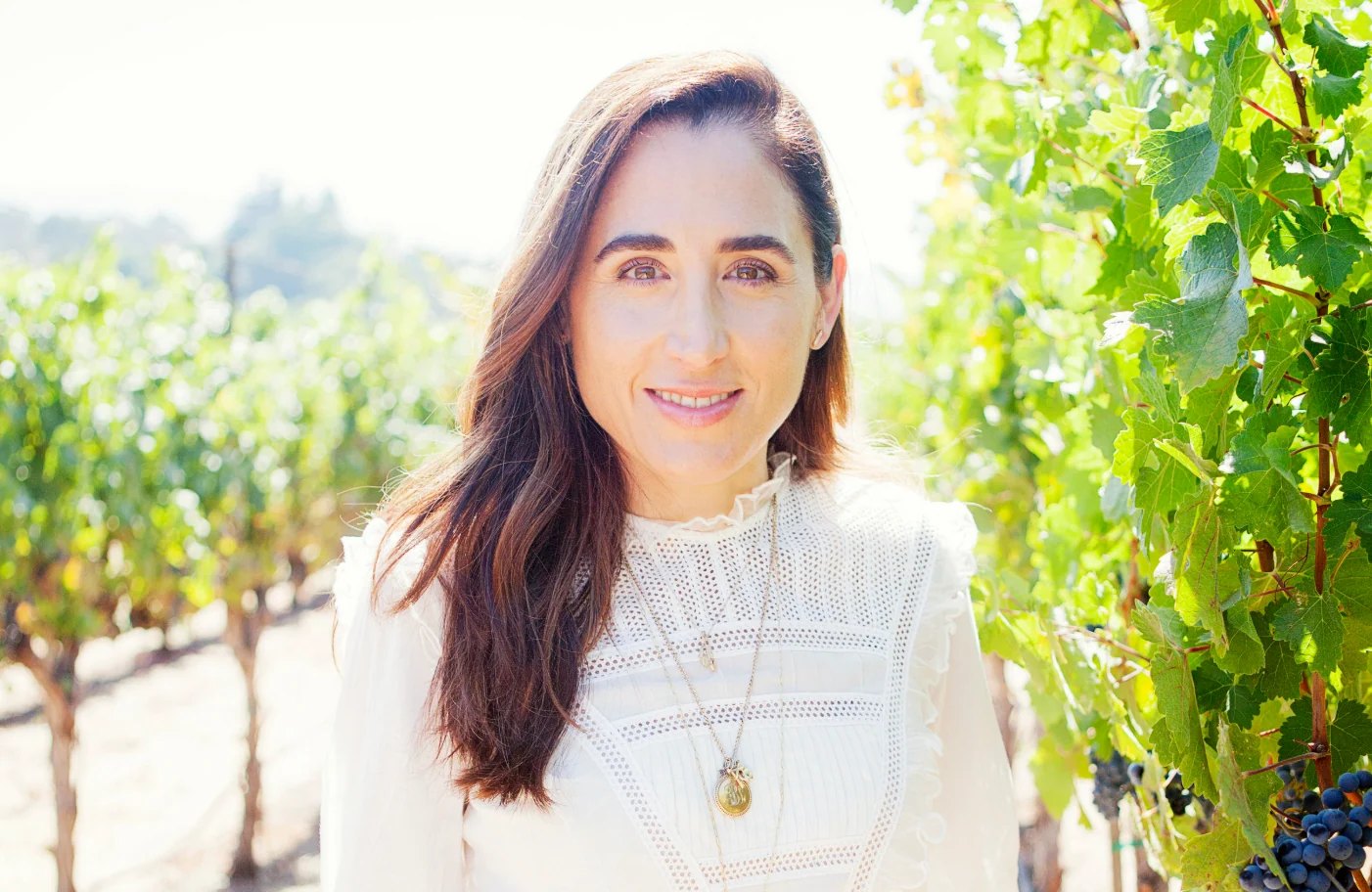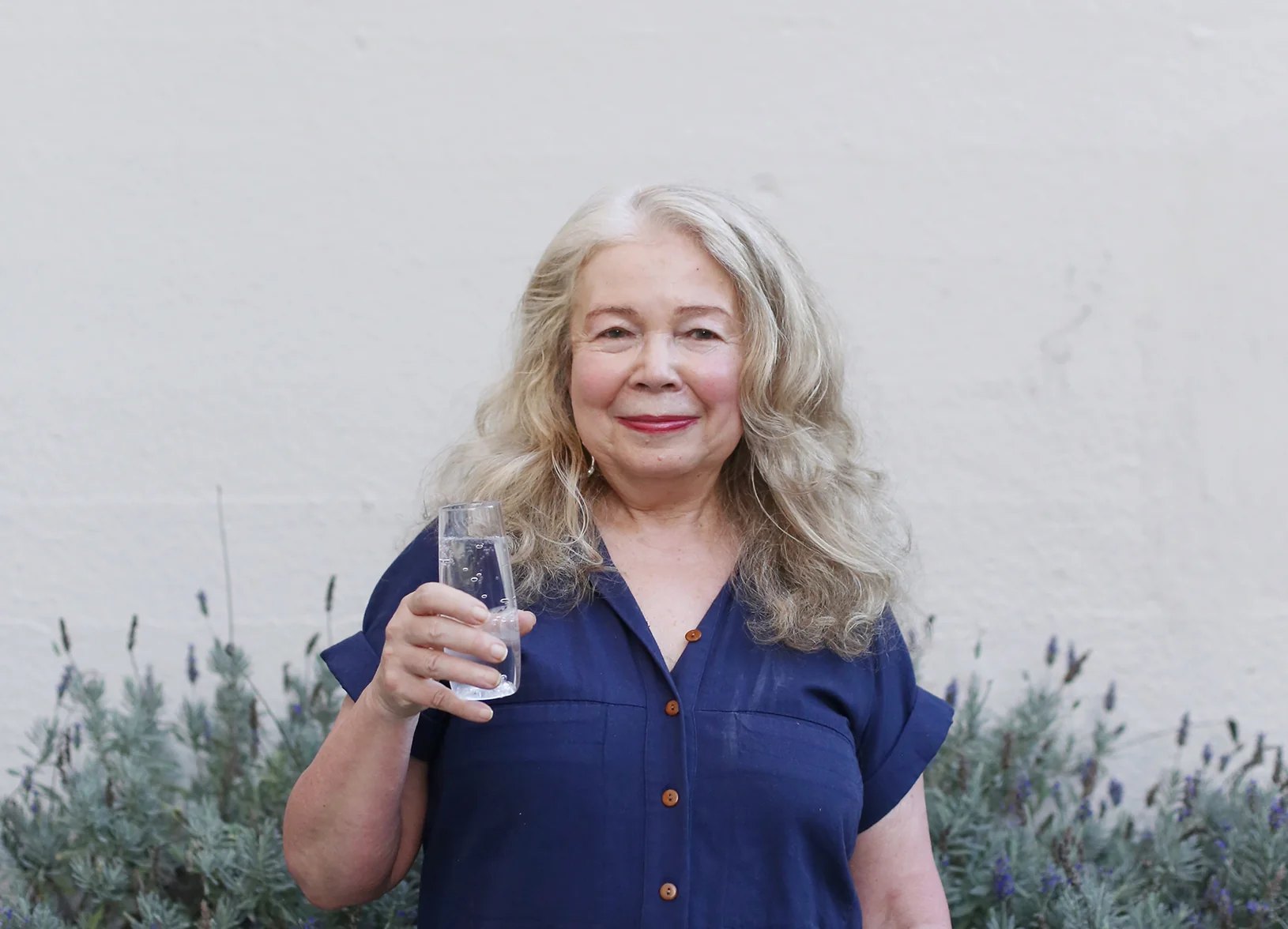
A botanical aisle promises more plants, more steps, more glow. KraveBeauty argues for fewer plants, chosen with care, and time to let them work. Founder Liah Yoo talks about tamanu for stressed barriers, matcha and hemp for gentle cleansing, and a slow routine rooted in listening.
Botanical skincare often asks us to add. Add another extract, another layer, another morning step that promises to feed the skin. KraveBeauty was built inside that pressure and decided to step aside from it.
Liah Yoo came to formulation as a creator and as someone with tired, reactive skin. She had worked at AmorePacific, grown a YouTube audience since 2011, and tried invasive treatments, antibiotics and heaps of medication for acne. Her skin was left greasy, inflamed and sensitized. The products were many. The relief was thin.
What she founded in New York in 2017 is deliberately small in assortment and slow in pace. Products take a year and a half to two years to develop, starting from community listening, moving through lab work and sourcing that favors byproducts, then a careful release. The promise is plain. Timeless products that work with skin, not against it.
What others miss is how plant led this restraint is. Tamanu oil at ten percent, matcha rich in antioxidants, hemp seed oil for softness, oat for calm. No fragrance, no essential oils chasing scent. Texture does the sensory work. We sat down to talk about roots and harvests, but also about the discipline of leaving soil alone.
You started your channel in 2011 and grew to more than one million subscribers before you founded KraveBeauty in 2017, after years of acne, antibiotics and sensitized skin. What did that long stretch of trying miracle products teach you about what skin actually wants.
I was shoving products onto my face that I did not need, that it did not crave and it was tortured and screaming at me to chill out. That sounds blunt, but it is honest. I had sought advice from brands and experts and I still did not have the kind of skin you see filtered online. I was greasy and inflamed and tender to the touch. I kept adding because I thought care meant more.
Ultimately with KraveBeauty, I want to empower everyone to step back, press reset and just listen to their skin. We forget skincare is just a way to supplement our skin natural functions. Your skin is naturally really smart, so respect your moisture barriers that you are already born with. That became the rule for every formula. Does it support what skin already knows how to do. If not, we do not make it.
You have said Korean routines have kind of brainwashed us into doing more and more when our skin actually needs less. How did working inside that culture, including your time at AmorePacific, shape your decision to formulate for restraint rather than routine.
I respect where I came from. I learned a great deal about texture, about research, about ritual. But I also watched what happens when launches are dictated by shareholder interest to hit sales targets, not customer pain points. The market gets saturated. Acquisition costs rise. Marketing starts to make people feel bad, as if their skin is a problem to fix by buying again.
That trend cycle is something that I wanted to break because your skin is not a fashion item, your skin is there to protect you. In the end, we are just looking for ways to break the instant gratification culture in skincare. So we chose fewer products that could be used for a long time. We take a year and a half to two years per formula. We would rather make less and take time than launch trends for quick profit.
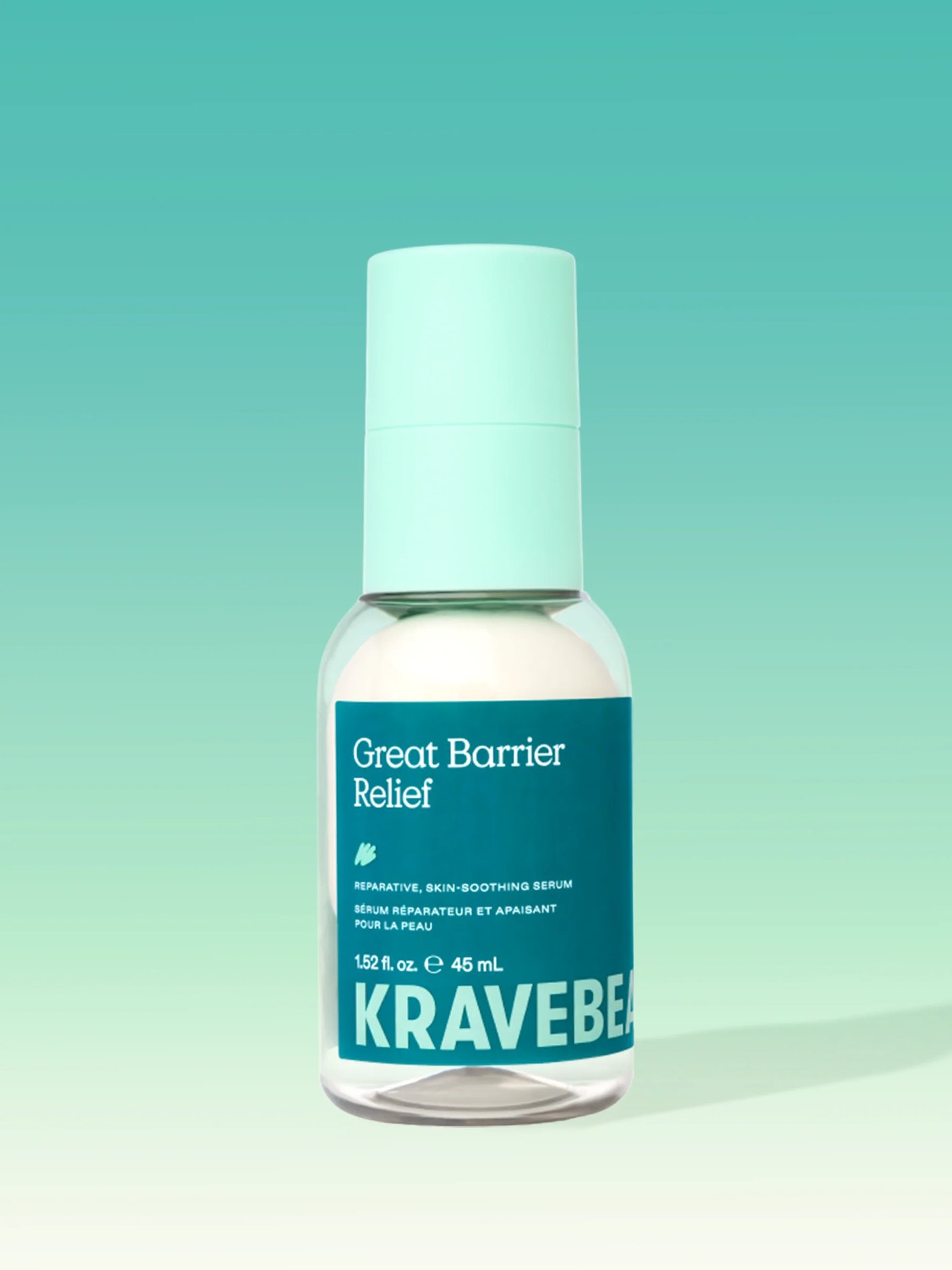
Great Barrier Relief was born while the industry was focused on layering actives, and you describe it as coming from community listening. Why did tamanu oil, at ten percent in a reparative serum, feel like the right plant to answer redness and a tired barrier.
Our community kept saying the same thing in different words. My skin feels overworked. Everything stings. I need a pause. At the same time, shelves were full of strong exfoliants and brightening promises. So we asked what a healing product would look like if plants did the steady work instead of acids doing the loud work.
Tamanu felt right because it is sturdy and generous. It is a dense, green gold oil from the tamanu tree, traditionally valued for soothing the look of stressed skin. At ten percent in Great Barrier Relief, it helps nurse skin back toward comfort while calming the appearance of redness and irritation. It is not about coating or hiding. It supports the barrier so skin can do its own repair. That is the whole idea of slowdown skincare. Give skin room, then give it consistent support.
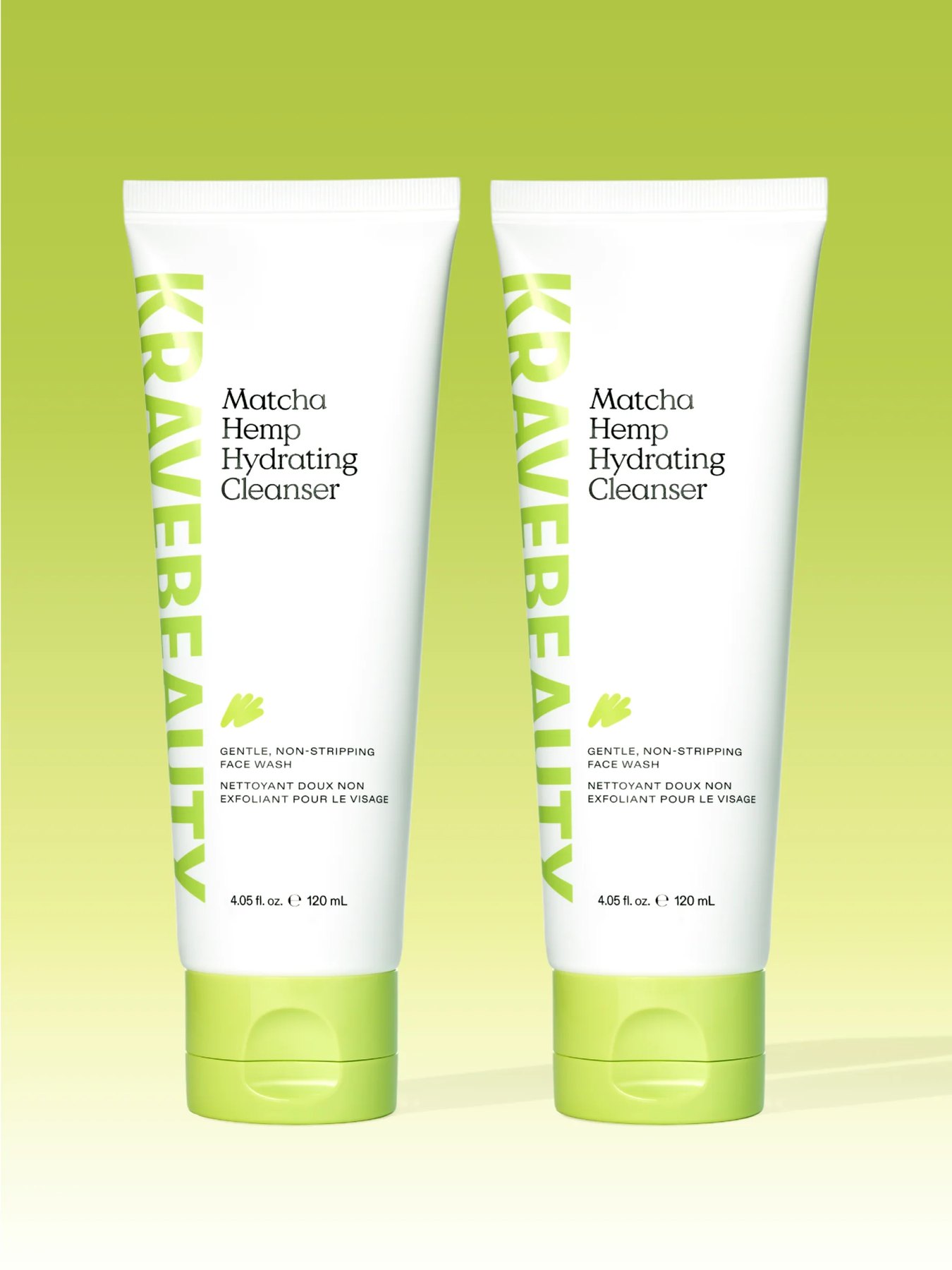
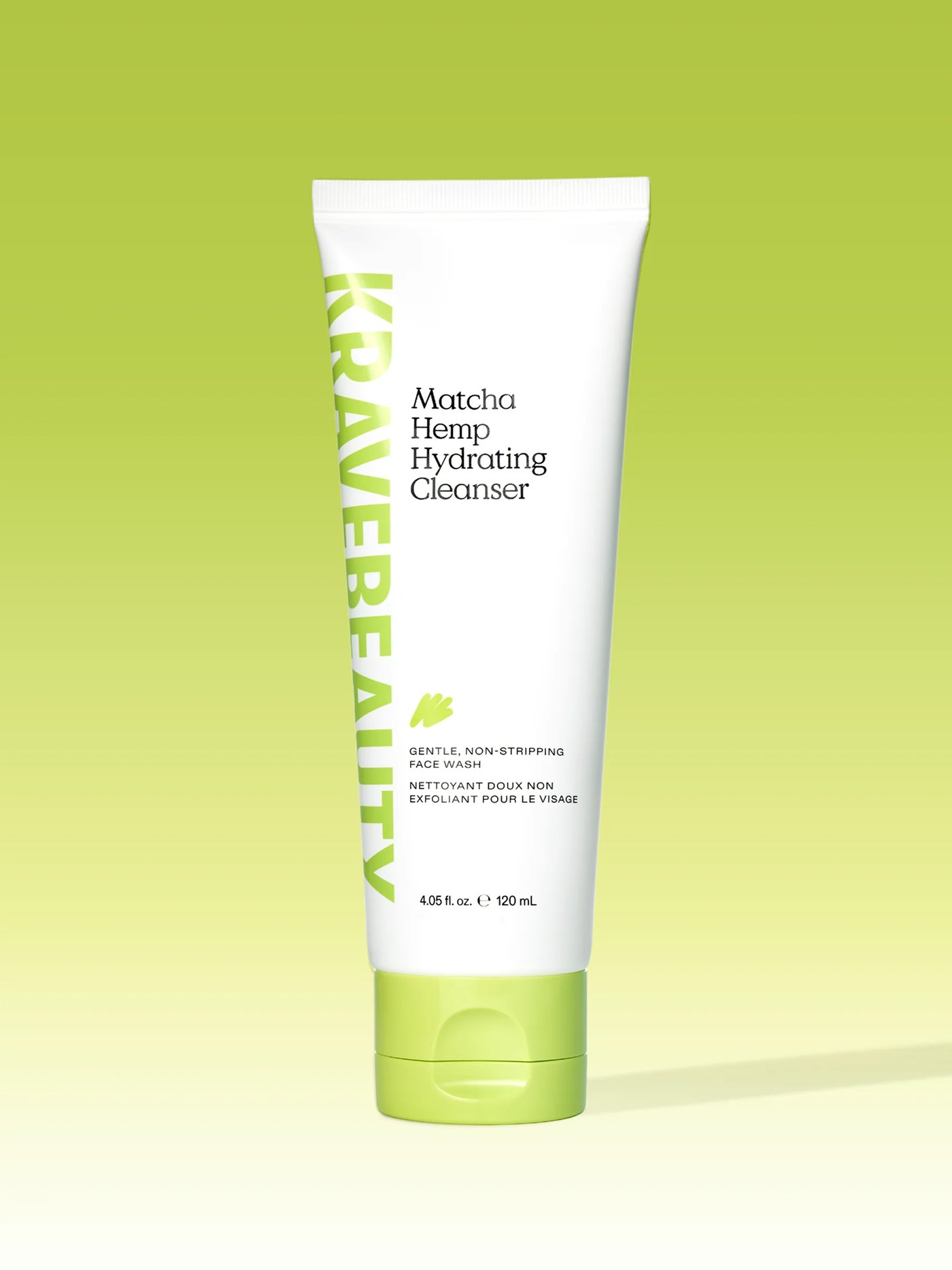
Your cleanser pairs matcha, rich in free radical fighting antioxidants, with hemp seed oil in a bouncy jelly that is fragrance free. Cleansers are rinsed away, so why put such considered botanicals there, and what did you learn while getting that texture right.
That cleanser was the most fun to formulate because it had to prove that gentleness can still feel like something. A cleanser sets the tone for the whole routine. If it strips, everything after has to apologize. If it respects the barrier, the rest can be simple. Matcha brings antioxidants and that fresh green character without perfume. Hemp seed oil keeps the cleanse nourished rather than tight.
We refused fragrance and essential oils to chase sensorial smell, and used texture instead. That bouncy jelly is the pleasure. It cushions the hands, loosens the day, rinses clear. We kept adjusting the base so sensitive skin could use it morning and night without that squeaky feeling. For combination skin especially, it leaves skin hydrated and settled, not thirsty. A good cleanse should feel like watering soil, not scrubbing it.
You speak often about humanizing the brand and breaking the wall where the brand holds authority and the customer simply receives. You even held a virtual stakeholder meeting with more than five hundred customers in 2020. How does that listening change a formula before it reaches the lab.
For us, it was really about humanizing the brand. Once you break down that wall or give up the authority of I am a brand and you are a customer, you break that wall and really humanize the brand and just communicate as a person to another person. That is not a slogan for us. It is how briefs get written.
A product starts with problem identification and community listening. People tell us where their routines feel heavy or confusing. Then we bring that to the lab. We would rather include customers in decisions than guard brand authority. We would rather empower customers to decide than manipulate them to buy. If people say they want a calm moisturizer that layers well, we do not add a trending extract to make it sound new. We work on oat, on water light texture, on refill options. Listening keeps us from inventing needs.
We forget skincare is just a way to supplement our skin natural functions.
Liah Yoo
Oat So Simple Water Cream uses oat extract to cool sensitive areas and protect against irritants, and it comes in refillable packaging. What drew you to oat as a lead plant for dry and dehydrated skin, and how do you think about refills as part of the formula, not an extra.
Oat is quiet, and I mean that as praise. It does not ask for attention. Oat extract helps calm the look of sensitivity and supports skin against the feel of daily irritants like wind, heat and hard water. In a light as water cream, it cools on contact and leaves a breathable layer. For dry and dehydrated skin, that matters more than richness alone. Skin can drink without feeling covered.
The refill came from the same logic as the formula. Use less. Buy only what you need. If we ask people to slow down and keep products for a long time, the packaging should allow that. The jar is kept, the refill gives more product with less waste. It also reminds us in the studio that sustainability is not a launch story. It is sourcing with care, including byproducts where we can, and making packaging that respects the plant work inside.
You take eighteen to twenty four months for some products, and sunscreen development takes longer than other skincare because of regulations. What is slow about that work in practice, from sourcing to stability, and why keep a small assortment when the market rewards newness.
Slow starts before the lab. We spend months reading messages, sorting patterns, deciding which problem deserves a formula. Then formulation itself is iterative. With plants, harvest variation matters. A matcha lot can look and feel slightly different by season. Hemp seed oil needs fresh, careful handling to stay pleasant without fragrance to mask it. We test texture again and again because texture is our scent.
Sunscreens add another layer. Beet The Sun took patience because sun protection is regulated as a drug in many markets, with specific testing for SPF and water resistance and stability over time. You cannot rush that and remain responsible. We keep the assortment small because each addition has to earn its place for years, not weeks. That is what timeless means to us. Fewer roots, deeper.
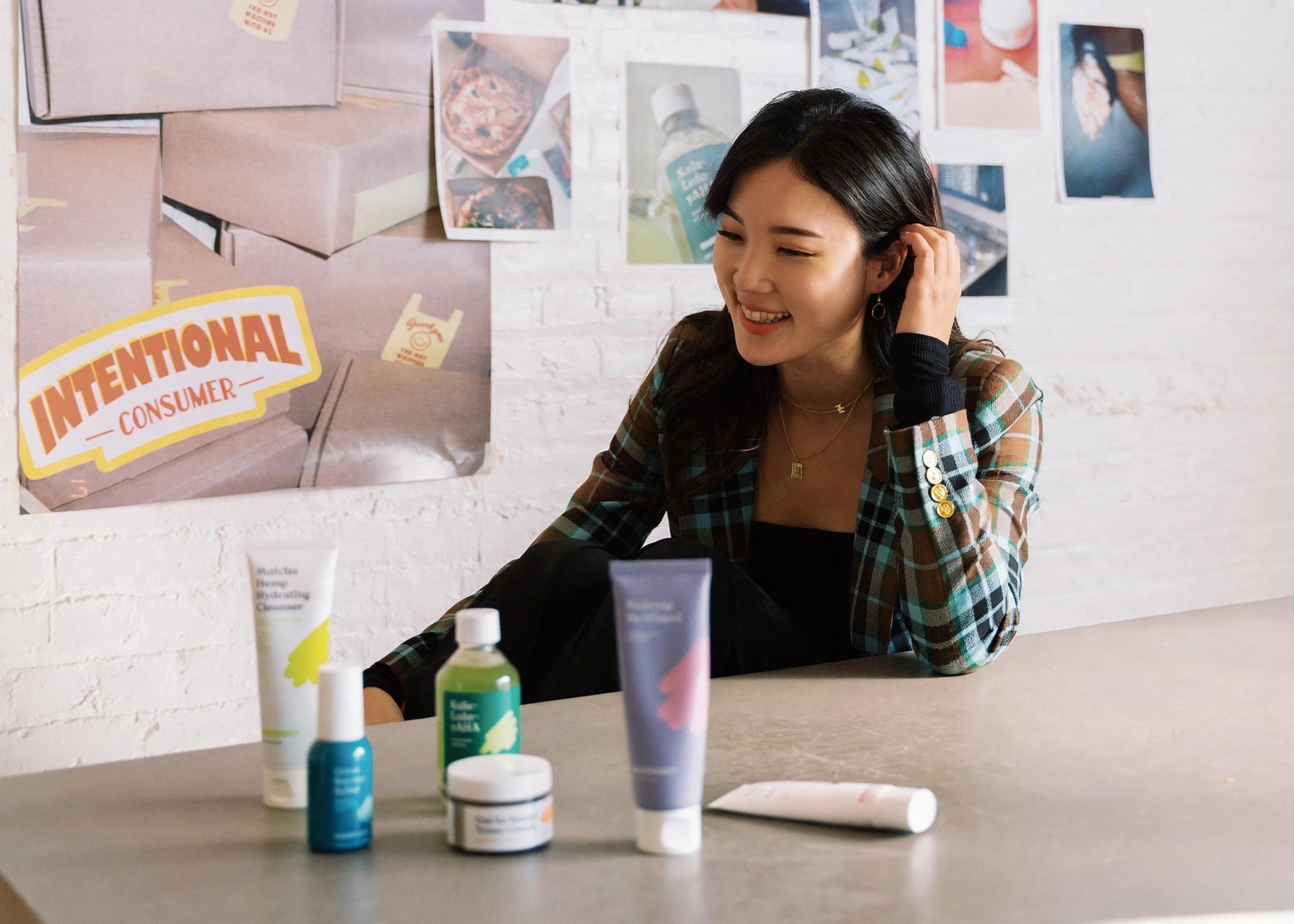
You have been clear that you did not ever think this brand would be a Liah Yoo brand or another influencer brand. As the founder became the CEO, how do you keep your YouTube history present without letting personality drive decisions that should belong to the plants and the community.
I did not ever think this brand would be a Liah Yoo brand or another influencer brand. That was intentional. It is funny how it has become a de facto where the founder becomes the CEO. I did not start with that title in mind. I started with a question about why skincare felt so noisy.
My history helps me explain, not to prescribe. I can show how I press reset at the sink. I can talk about barrier respect in plain words. But the brand has to stand without me in the room. That means stakeholder thinking over shareholder thinking, and formulas that do not need my face to make sense. The plants do the work. The community checks the work. My job is to protect the conditions where both can do it well.
Your sustainability advice is blunt. Use less. Buy only what you need. For a reader who loves botanicals and wants to try KraveBeauty, what is the simplest way to begin, and how should Great Barrier Relief and Matcha Hemp Hydrating Cleanser fit into a calm daily ritual.
Start with the sink and the barrier. Night is a good teacher. Cleanse once with Matcha Hemp Hydrating Cleanser, massaging the jelly over damp skin and rinsing with lukewarm water. Morning, you can cleanse again or rinse lightly, depending on how your skin feels. Then press a thin layer of Great Barrier Relief where skin looks red or feels tight. Follow with moisturizer and, in the day, sunscreen.
Give it time. Plants steep; they do not shout. Watch for a week how skin responds before you add anything. If skin feels calm, stay there. Less is more is not about owning little. It is about noticing more. Press reset, listen, and let the routine stay as small as your skin asks it to be.
Closing note from the desk
What stays with us is the steadiness of the metaphor. Yoo talks about skin the way a gardener talks about soil. Do not flood it. Do not strip it. Feed it lightly, watch the weather, let it rest. Tamanu for repair, matcha and hemp for a soft cleanse, oat for cool calm. Each plant has a job and none is asked to perform.
KraveBeauty set out to press reset on the skincare norm. In practice that means fewer launches, longer development, no miracle language, and customers treated as stakeholders. It is plant led skincare read slowly, and it leaves the reader with a clear place to begin.
Product spotlight
Great Barrier Relief, 29 dollars for 45 mL standard and 50 dollars for 100 mL jumbo. A reparative serum for overwhelmed and sensitized skin that helps soothe and restore the barrier while calming the appearance of redness. Use a thin pressed layer after cleansing, morning and night, where skin feels tight.
Matcha Hemp Hydrating Cleanser, 16 dollars for 120 mL and 27 dollars for two packs. A gentle bouncy jelly cleanser with matcha antioxidants and hemp seed oil that restores hydration while cleansing. Massage over damp skin and rinse, morning and night, as the first step of a simple routine.

Erin Dunleavy
Erin produces the interviews: the research, the question lists, the follow-ups. She reads ingredient lists for fun and admits it.
More from Erin Dunleavy →