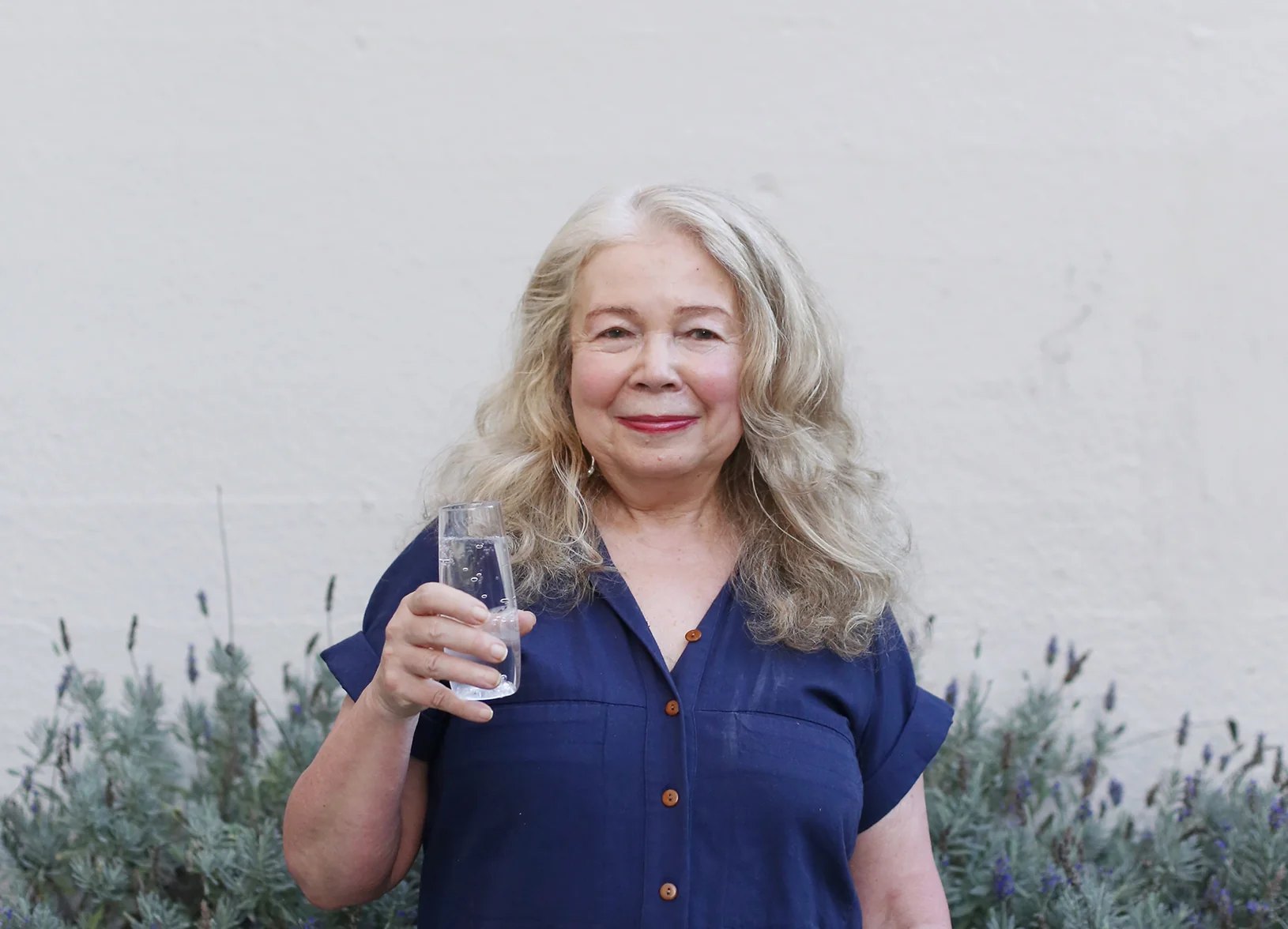
A Seattle dermatologic surgeon watched careful laser work fade under the wrong ointment, so she steeped her practice in plants she could trust. Castor, aloe, squalane and glycerin became a short shelf of remedies for healing and barrier support, made without fragrance or common irritants.
In 2015 Dr. Heather D. Rogers made a decision that reshaped her practice. She unveiled Restore Healing Balm, a simple ointment built from castor oil and glycerin, and started handing it to patients instead of petroleum based staples.
Rogers is a double board certified dermatologist and dermatologic surgeon who sees patients full time at Modern Dermatology in Seattle, the practice she co founded. She describes herself as a reluctant founder. Her first love, in her words, has always been caring for patients, and she never set out to create a skincare line.
What changed her mind was the treatment room. She would do careful work with lasers to make an injury prettier, then watch whatever was put on top move healing backward. Reactions to lanolin, dislike of petroleum, and natural balms heavy with essential oils left scars irritated at the exact moment skin needed steadiness.
What we noticed, reading and listening slowly, is how botanical this clinical line really is. Rogers trusts plants only when data supports them. Castor for shelter and slip, glycerin and aloe for water, squalane and niacinamide for barrier calm. Fewer products, better chosen, used in a spare ritual that respects the skin barrier.
You first met skin as an organ that could be helped quickly. Dermatology was the first area of medicine where you felt you could solve a problem quickly. How does that early sense of repair still shape the way you formulate.
Thank you for reading closely. That feeling has stayed with me. I went into dermatology because you can see the issue, treat it, and watch skin respond. It is practical work. You do not have to wait months to know if you helped. That same directness guides how I formulate.
My first love has always been caring for patients. I never set out to create a skincare line. I started because I needed something I could trust after procedures. We would do all this work with lasers to make the injury prettier and then whatever was getting put on top was moving us backward. Patients had invested thousands, and then they developed reactions to commonly recommended ointments. That felt wrong.
So I look for ingredients with clinical data for efficacy and low risk of irritation. I want people to achieve their best skin without asking skin to process more than it can hold. Our skin is not made to process seven steps and 250 ingredients twice a day. I would rather offer fewer, better products that do steady work, then watch, adjust, and keep the routine calm.
In 2015 you unveiled Restore Healing Balm after seeing reactions to Aquaphor and to natural balms with essential oils. An office in New York later tried it on one side of the face after laser, with Aquaphor on the other, and found Restore worked much better. What did that split face morning teach you about plants and healing.
It taught me that simple can outperform familiar. At the time there were really two choices. Petroleum based Aquaphor, which many patients disliked and which contains lanolin that can irritate, or natural balms with essential oils that irritated scars. Neither felt right for fresh, vulnerable skin.
I made Restore Healing Balm from castor oil and glycerin without petroleum or lanolin. Castor gives that shelter, that protective seal that keeps the wound environment steady. Glycerin draws and holds water. I often say Vaseline provides shelter, but my Healing Balm provides shelter, water, and food. Skin can tell if you are giving it the good stuff, just like we feel better when we eat a healthy, balanced diet.
That split face trial mattered because it was not my patient and not my hands. An office in New York used Aquaphor on one side and Restore on the other after laser, and Restore worked much better. For a clinician, that kind of side by side observation stays with you. It confirmed that a plant oil, chosen carefully and left free of fragrance and common allergens, could support healing in a modern practice.
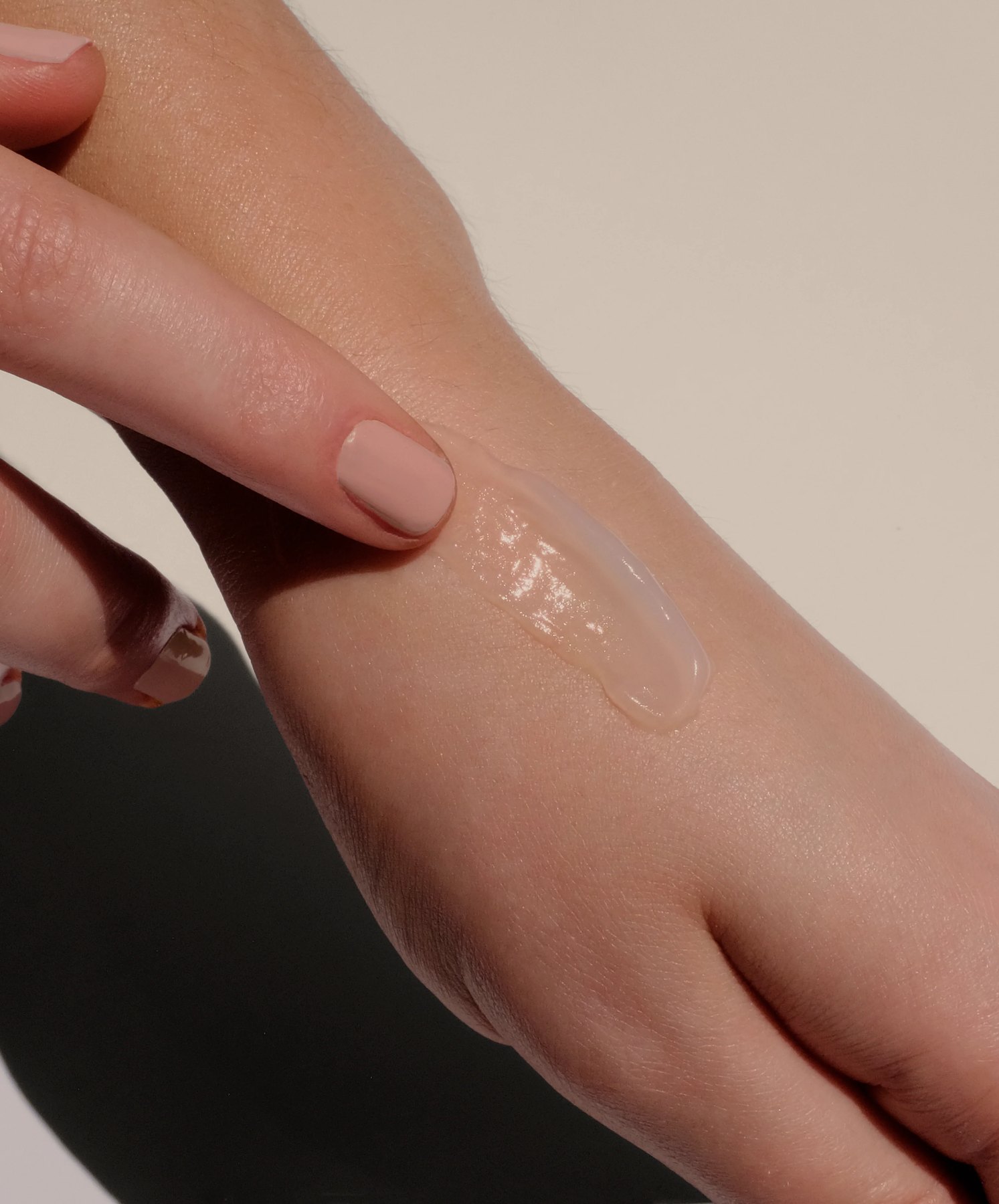
You have said as we age, we feel like our skin needs more, but it actually tolerates less. That phrase now anchors your line for sensitive, aging and post procedure skin. How does it change the way you use squalane and niacinamide in your core face cream.
That sentence came straight from the exam room. Patients in their forties, fifties and sixties would tell me their skin felt drier, thinner, slower to recover. They wanted richer care. Yet the same skin flushed, stung, or broke out with richer formulas. As we age, we feel like our skin needs more, but it actually tolerates less.
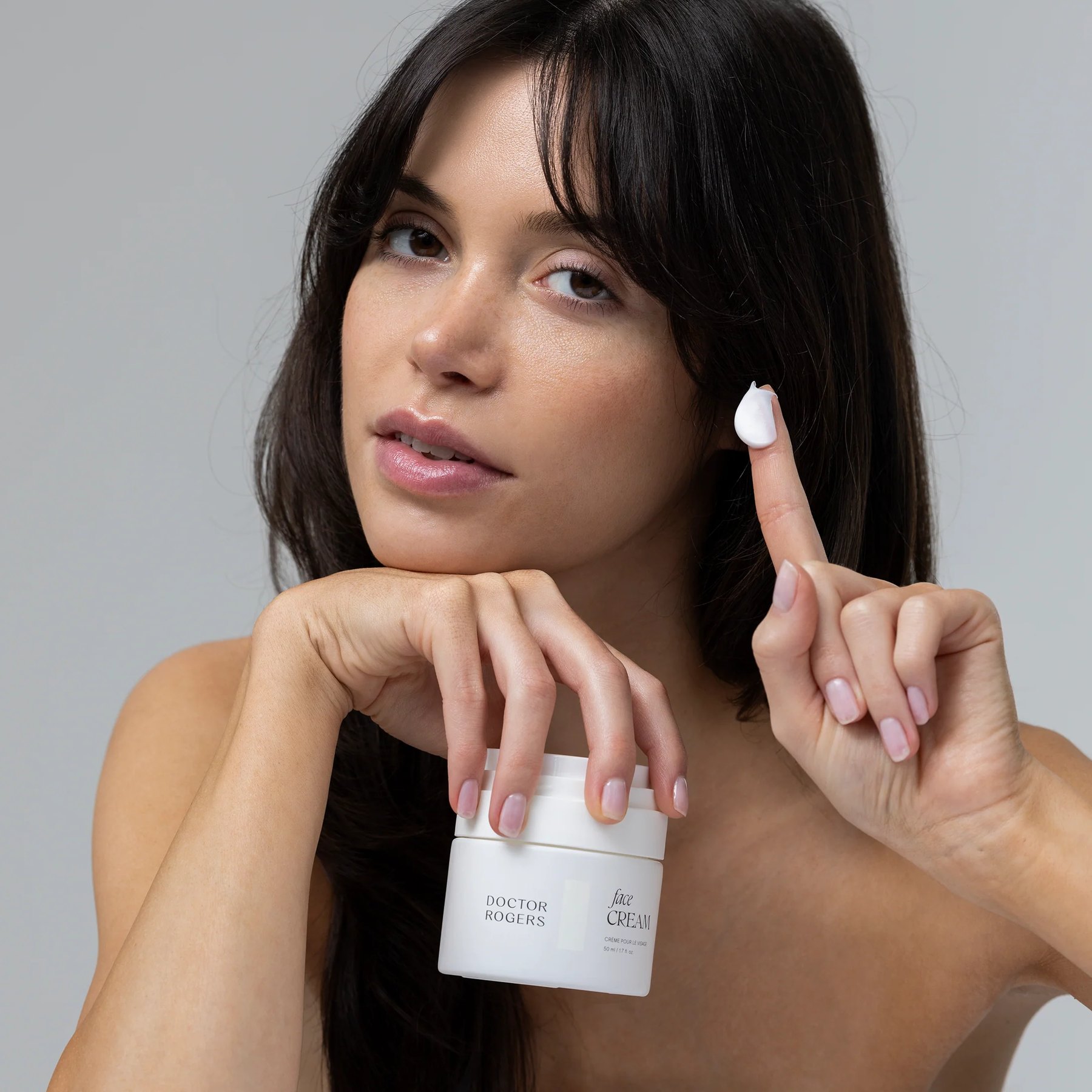
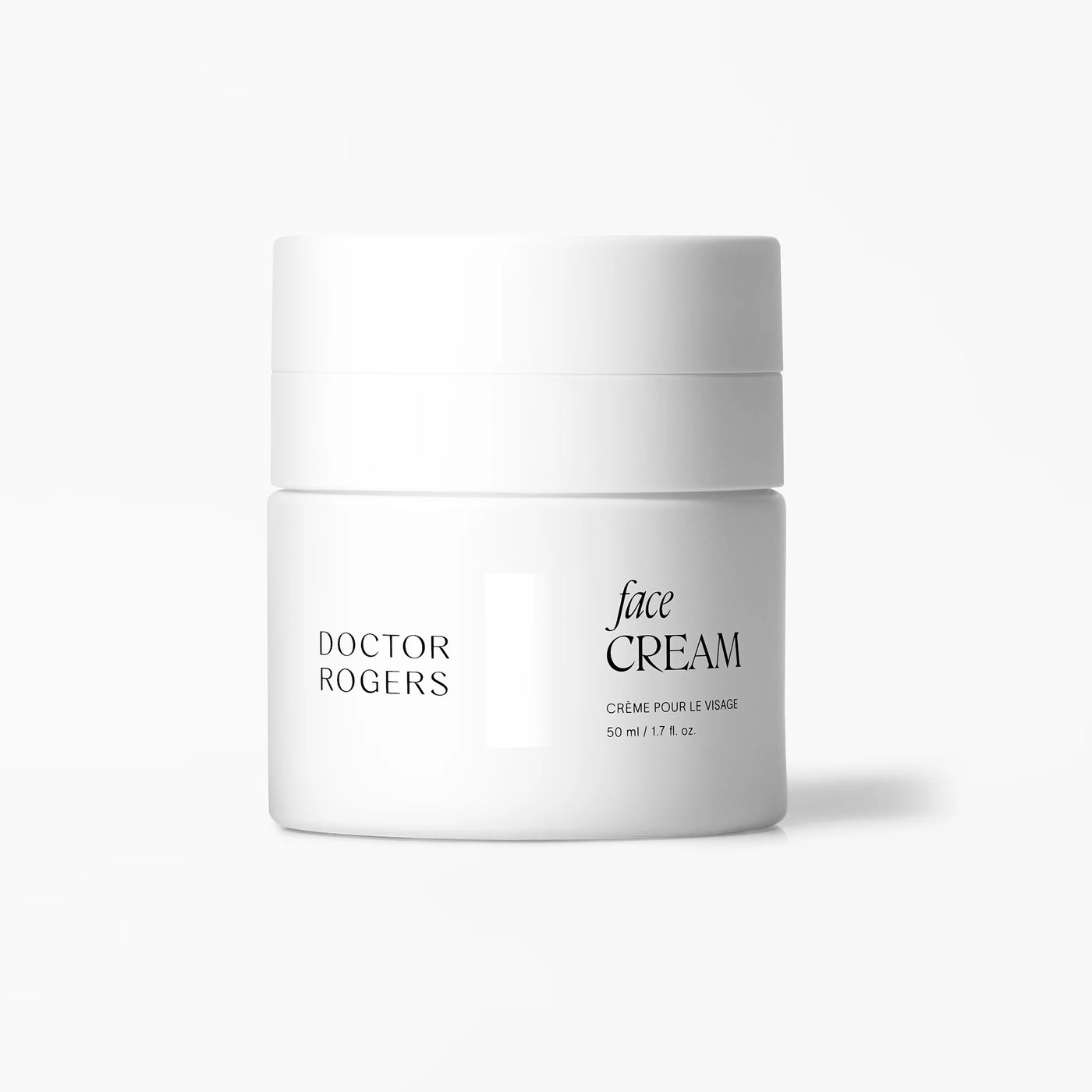
So the Squalane plus Niacinamide Barrier Support Face Cream was built for that paradox. Squalane is a stable, skin compatible oil that softens without heaviness. It supports the barrier and helps reduce the appearance of water loss. Niacinamide is an anti inflammatory ingredient that supports barrier function and helps improve the appearance of uneven tone and enlarged pores. Together they hydrate while keeping calm.
I use it day or night as a daily moisturizer after an antioxidant serum and before sunscreen. For skin that needs more yet tolerates less, the order matters. Give water and treatment first, then seal gently. No fragrance, no essential oils, no dimethicone heavy film that only sits on skin. Just steady support that lets barrier lipids do their work.
You made a cleanser because Cetaphil felt like spit, did not remove makeup and had parabens. Your answer was aloe and glycerin in a gentle gel. What did you want washing to feel like for dry or aging skin.
I wanted washing to leave skin clean and comfortable, not tight. Many of my patients were washing twice a day with a cleanser that did not fully remove mascara or sunscreen, so they rubbed harder. That friction, plus surfactants that strip, weakens the barrier. For dry or aging skin, that shows quickly as flakiness and sensitivity.
The Aloe plus Glycerin Gentle Gel Face Wash uses aloe for a soft, watery slip and glycerin to help skin hold water while cleansing. It washes away everything from mascara to sunscreen and sweat without that squeaky feeling. I tell patients with dry or aging skin to wash at night to remove makeup, sunscreen and debris, then splash with water only in the morning. Night is for clearing the day. Morning is for keeping what the barrier built overnight.
Essentially, my whole concept is simply to be your sure thing. A cleanser should be sure and quiet. It should do its work, rinse away, and leave skin ready for serum and cream.
Your standard is strict. Only ingredients allowed in the EU and Asia, vegan and biodegradable, free of fragrance, essential oils, lanolin, parabens and phthalates, meeting the Credo Clean Standard. Why start over from scratch rather than compromise when a formula almost works.
Because almost is where reactions live. I would rather err on the side of caution than use hormone disruptors, carcinogens or questionable additives. I would rather start over from scratch than compromise on ingredients. If a formula needs fragrance to feel pleasant, or a common allergen to feel rich, it is not the right formula for my patients.
I also refuse sponsored ads or paid endorsements, which keeps the pressure on the formula itself. This is not a business venture but a calling. That sounds serious, but it is how it feels after years of seeing eczema prone skin and post procedure skin. You learn to respect low irritation risk as much as efficacy.
Meeting rules for the EU and Asia, staying vegan and biodegradable, avoiding lanolin and essential oils, all of that narrows the field. It also clarifies it. The plants that remain, like castor and aloe, stay because they earn their place with data and tolerance, not because they sound botanical.
So Vaseline provides shelter, but my Healing Balm provides shelter, water, and food.
Dr. Heather D. Rogers
You speak of fewer, better products instead of long routines, and you refuse dimethicone or mineral oil face creams that only sit on skin. For someone tending eczema prone skin through winter, how should Restore and cream and cleanser be layered as a ritual.
Keep it short and repeat it. In winter I like a night ritual that feeds water, then seals it. Cleanse once to clear the day. While skin is still slightly damp, apply serum if you use one. Then cream to support the barrier. Then, where skin is cracked or raw, press a thin layer of Restore Healing Balm over lips, eyes, fingers, or any irritated patch. Before bed is a good time because skin rests and water loss rises overnight.
In the morning, keep it lighter. Splash, serum, cream, sunscreen. Restore can go on lips or around nostrils where cold air chaps. The balm is hypoallergenic and biodegradable, made without petroleum or lanolin, so it works for irritated or injured areas without adding fragrance load.
The point is steadiness. Fewer layers, applied with warm hands and a pause between each. Skin that is healing does not need novelty. It needs the same good care, morning and night, until the barrier feels quiet again.
Vitamin C serums can protect in a different way than sunscreen, yet high strengths can irritate sensitive skin. Your Day Preventive Treatment won an Allure Best Clean Skincare award in 2026. How do you place antioxidants alongside sunscreen for patients who flush easily.
I place them side by side, not as replacements. Sunscreen helps block and scatter rays. An antioxidant serum helps address the appearance of free radical damage from pollution and sun in a different way during the day. For patients who flush, strength and base matter more than promises.
With sensitive skin I start low, keep the base simple, and watch. Apply a thin layer after cleansing in the morning, then moisturizer, then sunscreen. If tingling lasts, pause and simplify. Skin that needs more but tolerates less often does better with a well tolerated daily dose than with a strong formula used in fits and starts.
This is also why I avoid fragrance and essential oils in these leave on steps. When skin is already reactive, every extra scent chemical is extra work. A calm base lets the antioxidant do its work without asking the barrier to manage irritation at the same time.
You still see patients full time, you won Iron Surgeon Best Cosmetic Dermatologist in 2023, and your line is sold at Nordstrom, Credo, Cos Bar, Revolve Beauty, Violet Grey, Amazon and medical practices. What keeps the line small and plant led when distribution could push it wide.
Practice keeps it honest. When you see reactions every week, you stay careful. Patients bring in bags of products and ask what to keep. Most days the answer is keep less. That discipline shapes the shelf. Healing balm for repair, gentle cleanser for clearing without stripping, barrier cream for daily support, targeted serums for day and night. Each must earn its place.
Being plant led, for me, means harvest with restraint. Castor oil for occlusive comfort. Aloe and glycerin for water. Squalane for lipid support. I like roots and fields as much as anyone, but a plant extract is interesting because of what it does in a formula, how it spreads, how it seals, how skin responds over two weeks, not because it photographs well.
Distribution helps people find a sure thing, whether in a medical practice or at Credo or Nordstrom. Growth is welcome if it does not change the rules. No fragrance, no essential oils, no lanolin, no parabens or phthalates, vegan and biodegradable where possible. If an idea cannot meet that soil, it does not get planted.
Closing note from the desk
What stays with us is the quiet of the routine. Cleanse at night, splash in the morning, feed water, seal gently, repeat. Rogers speaks like a surgeon who gardens, careful with edges, patient with recovery, unwilling to force growth.
Doctor Rogers set out to be a sure thing for injured and sensitive skin. A balm that offers shelter, water and food. A cleanser that clears without stripping. A cream that respects the paradox of age. Read slowly, that is a remedy worth keeping.
Product spotlight
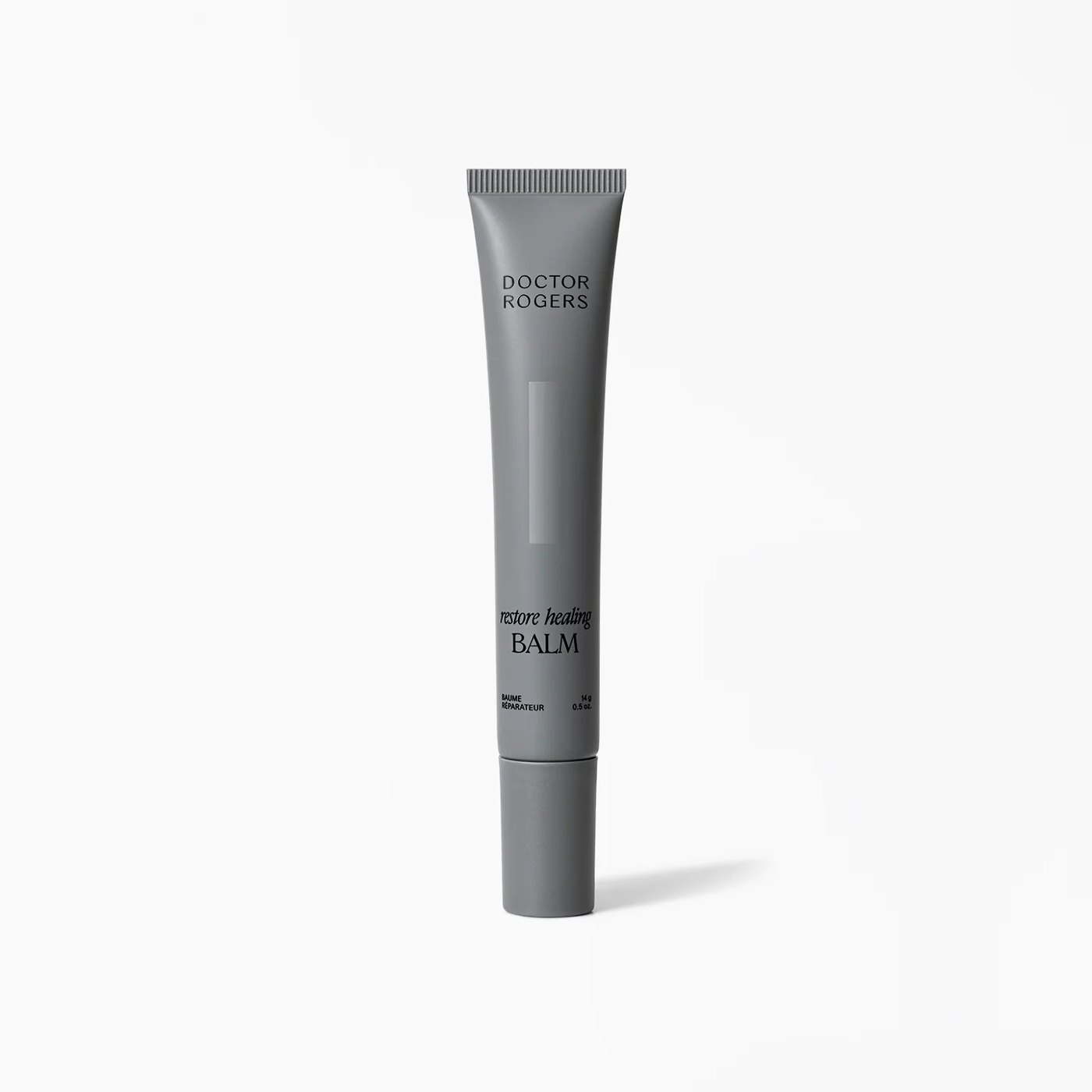
Restore Healing Balm, 24 dollars. A castor oil and glycerin ointment for irritated lips, hands, eyes and post procedure skin, made without petroleum or lanolin. Warm a small amount between fingertips and press over dry or injured areas morning and night, and before bed as a seal over cream.
Squalane plus Niacinamide Barrier Support Face Cream, 88 dollars. A rich daily face cream for deep hydration and barrier support for skin that needs more yet tolerates less. Apply day or night after antioxidant serum as a smooth layer over face and neck, then follow with sunscreen in the morning.

Erin Dunleavy
Erin produces the interviews: the research, the question lists, the follow-ups. She reads ingredient lists for fun and admits it.
More from Erin Dunleavy →