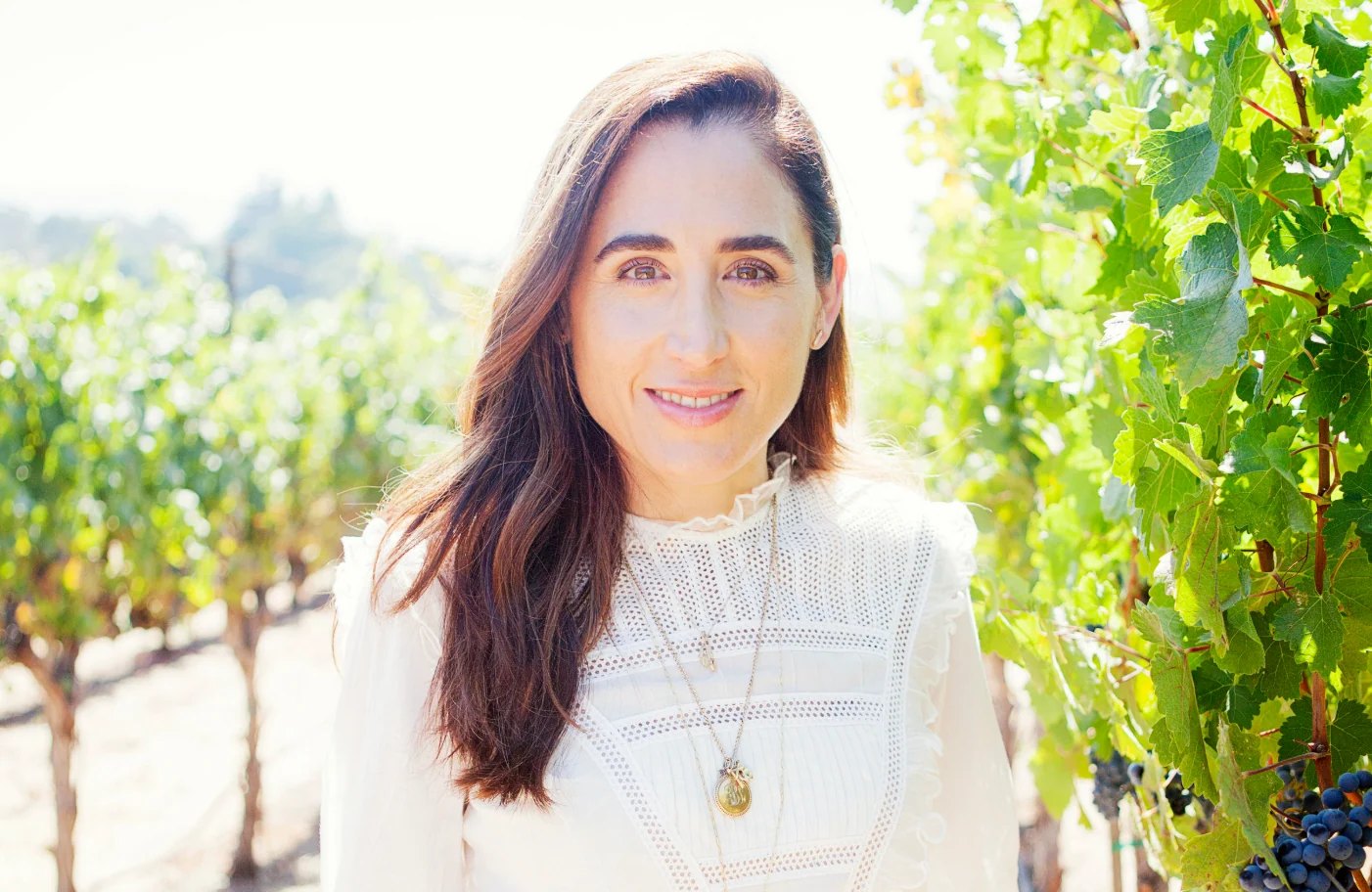
ROSEN Skincare began in a UCLA dorm for skin that standard acne shelves left behind. Founder Jamika Martin now formulates in Austin for acne prone, melanated skin, pairing clinical actives with plant extracts for breakouts and the dark spots that follow. She talks roots, retail and why fewer, clearer formulas win.
Jamika Martin did not set out to run a beauty company. She set out to calm her own skin. After severe breakouts that held through two rounds of Accutane, she stood in the Target acne aisle and saw the same harsh formulas she had known for a decade. Nothing spoke to her as a young Black woman with active breakouts and marks that lingered.
So she started mixing in her dorm at UCLA, a Paso Robles native learning by trial what her skin would accept. Her middle name is Rose, which gave her the root of the name, though plain Rose felt like makeup and so Rosen stuck. That small choice says a lot about the brand that followed, soft in sound and direct in intent.
Today ROSEN Skincare is based in Austin and sold nationally, including a wide Ulta launch in about 700 stores in April 2022. Its tagline is authentic acne care, research backed and made for real skin. What others miss is how narrow the focus has stayed. This is not anti acne as punishment. It is daily care that respects melanated skin, normalises visible breakouts and treats the spot left behind as part of the same story.
What drew Rooting Moss to this conversation is the plant logic inside that clinical promise. Tea tree, licorice extract, honey, lemon and strawberry extracts sit beside niacinamide, zinc oxide and kojic acid. Martin does not talk about botanicals as decoration. She talks about oil control, the appearance of brightness and a routine young skin will actually keep.
You were nine months off your second round of Accutane and described yourself as scared to try it even the first time and desperate about your skin. What did those early dorm mixes look like, and what told you they were worth more than a personal fix?
Thank you for having me. I was nine months off my second round of Accutane. I was scared to even do it the first time, but I was just at such a desperate point with my skin. Nothing at the drugstore had kept me clear and the clinical route had taken a lot out of me. In my dorm I started simple, reading labels and trying gentler bases with ingredients I could trace. I was in my second year at UCLA and then into my junior year, learning what made my skin sting and what helped it settle. Friends started asking what I was using because my skin looked calmer. Then friends of friends asked. That was the first sign it was more than my own fix. I had not planned a company. I had planned to feel comfortable leaving my room without heavy cover. Once other young women with similar skin said this is the first thing that did not strip me, I knew I had a responsibility to make it consistent and safe enough to share.
You said going back to the Target acne aisle was super disappointing because it was the same products you had shopped ten years earlier. What specifically felt wrong for you, and how did that shape the rule to blend clinical performance with natural ingredients?
I had these breakouts and going back to that acne care aisle at Target was super disappointing. It was the same products I shopped ten years earlier. Everything felt harsh and drying, built for a quick dry out rather than for skin that also scars and spots. There is a lot of brands out there for acne and there is a lot of brands out there that are natural, but there is very few that do both. That line still guides us. I wanted something that helped with the look of breakouts and supported clearer looking skin without leaving it raw. Our About page says it plainly, authentic acne care, research backed and made for real skin. For me real skin means acne prone, melanated skin that marks easily. So we pair ingredients with clinical backing, like niacinamide and zinc oxide, with plant derived parts like tea tree and licorice. The goal is transformative results that support lasting confidence, not a tingle that tells you it is working.
Your middle name is Rose and you have said plain Rose felt like makeup, which is how Rosen came to be. Why did that distinction matter, and what does the final name let you say about the brand?
My middle name is Rose, and that is where the rose component comes from, but I was just like the name feels like makeup. I did not want someone to hear the name and picture a lipstick or a powder. I wanted the name to feel like care. Adding the N made it feel like a surname, like a small house with a point of view. Rosen lets me keep the softness of rose, which matters to me personally, while making clear we are about skin. It also keeps us out of a narrow natural box. A rose name could sound purely floral or purely sweet. We are not that. We are acne care first. The name holds both sides, the plant root and the practical work. People remember it, they say it easily in store, and it leaves room to grow from cleansers into care for dark spots without sounding off.

Your site lists Earth Clearing Cleanser as a best seller, with zinc oxide, tea tree, niacinamide and Fuller’s earth clay for oil control and blemishes. Why those four, and what does each one do in a daily wash for skin that marks easily?
Earth is our workhorse because it does daily work without drama. Fuller’s earth clay gives that light slip and helps lift excess oil so pores look clearer. Zinc oxide supports a calmer appearance, which matters when breakouts leave skin looking red and uneven. Tea tree is our plant anchor for acne prone skin. It has that fresh herbal scent and a long history in blemish care, and it helps the formula feel active without feeling stripped. Niacinamide helps with the appearance of oil balance and more even looking tone. I wanted a cleanser someone could use morning and night while dealing with active bumps and old marks at the same time. It is meant to rinse clean, leave skin soft, and set up the rest of the routine. If a cleanser leaves you tight, you will skip the next step. Ours is built so you keep going.
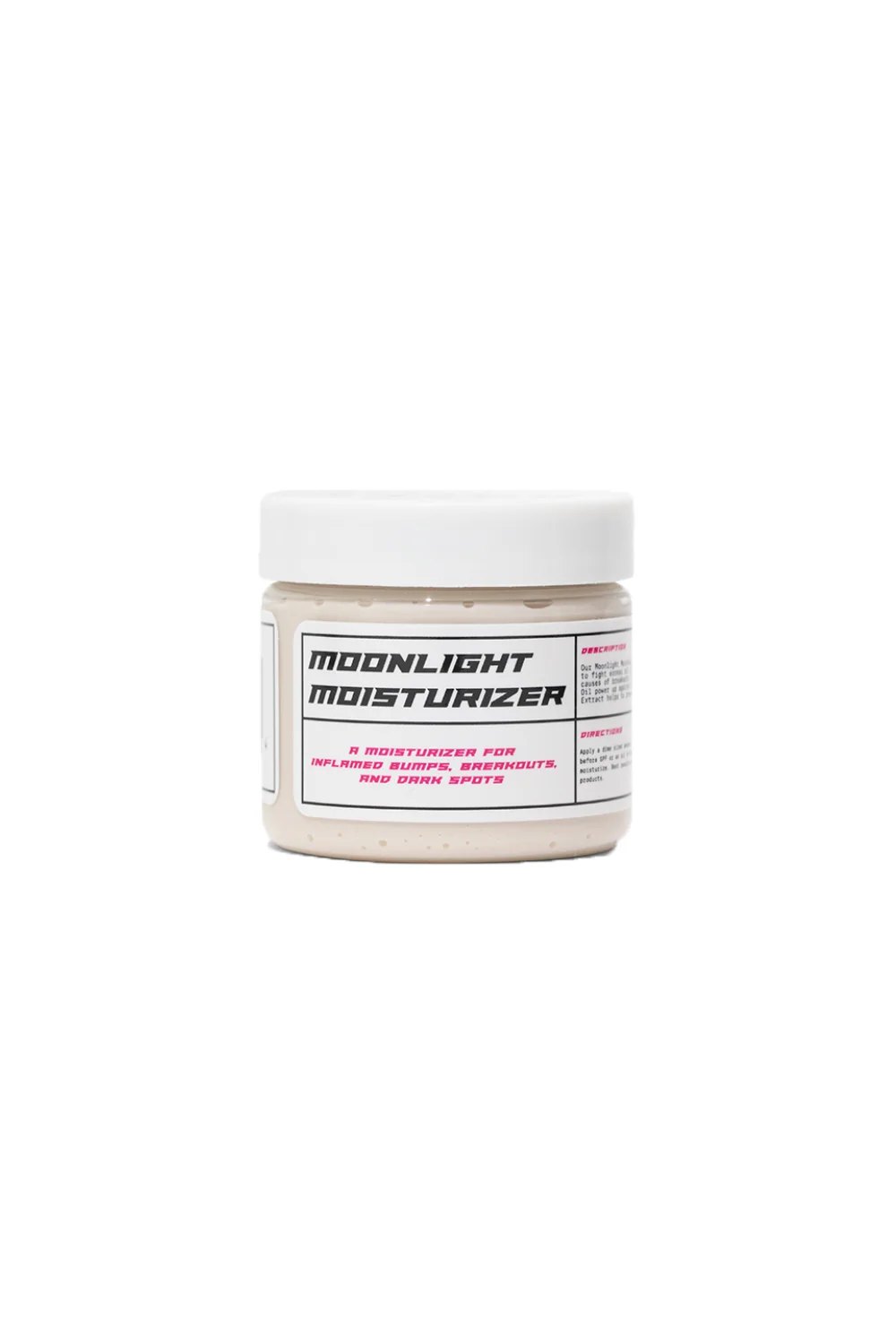
You keep Moonlight Moisturizer to eleven ingredients with tea tree for acne bacteria, niacinamide for oil and licorice for brightening. Why hold the count so low, and how should someone with oily, breakout prone skin use a daily moisturizer without fear?
I learned early that more is not better for reactive, breakout prone skin. Moonlight has eleven ingredients because every one has to earn its place. Tea tree helps with the feel of a clearer routine. Niacinamide supports the appearance of balanced oil through the day. Licorice extract is the quiet botanical I love. It helps with the appearance of brightness, which is key when old spots make skin look uneven even when breakouts calm. A lot of our community told me they skipped moisturizer because it felt heavy or risky. So we made one that layers light and sinks in. Use it morning and night after cleansing, a small amount pressed over the face and neck. If you are very oily, start with a thin layer in the day and a fuller layer at night. The aim is soft, supported skin that holds makeup or sunscreen well and does not look shiny by noon.
If a cleanser leaves you tight, you will skip the next step. Ours is built so you keep going.
Jamika Martin
Your range moved from acne into dark spot care with Honey Kojic Illuminating Cleanser with honey and kojic acid and Super Smoothie Brightening Serum with lemon, strawberry and hyaluronic acid. Why follow breakouts with brightness, and what does honey bring to a cleanser for melanated skin?
Breakouts were only half the story for our customer. For melanated skin, a pimple often leaves a dark spot that stays longer than the bump itself. So moving into dark spot care felt honest, not like a new category for sales. Honey Kojic was our answer in a daily step. Honey gives slip and softness and helps skin feel comforted while cleansing. Kojic acid helps with the appearance of dark spots and uneven tone. You use it like any cleanser, massage and rinse, so it fits a routine someone already keeps. Super Smoothie follows the same logic in a leave on step, with lemon extract and strawberry extract plus hyaluronic acid to support a brighter, hydrated appearance. I want a young person to see their skin improve in the mirror over weeks and feel normal about the process. Acne normalisation means showing women with bumps and scars and giving them steady care for both.
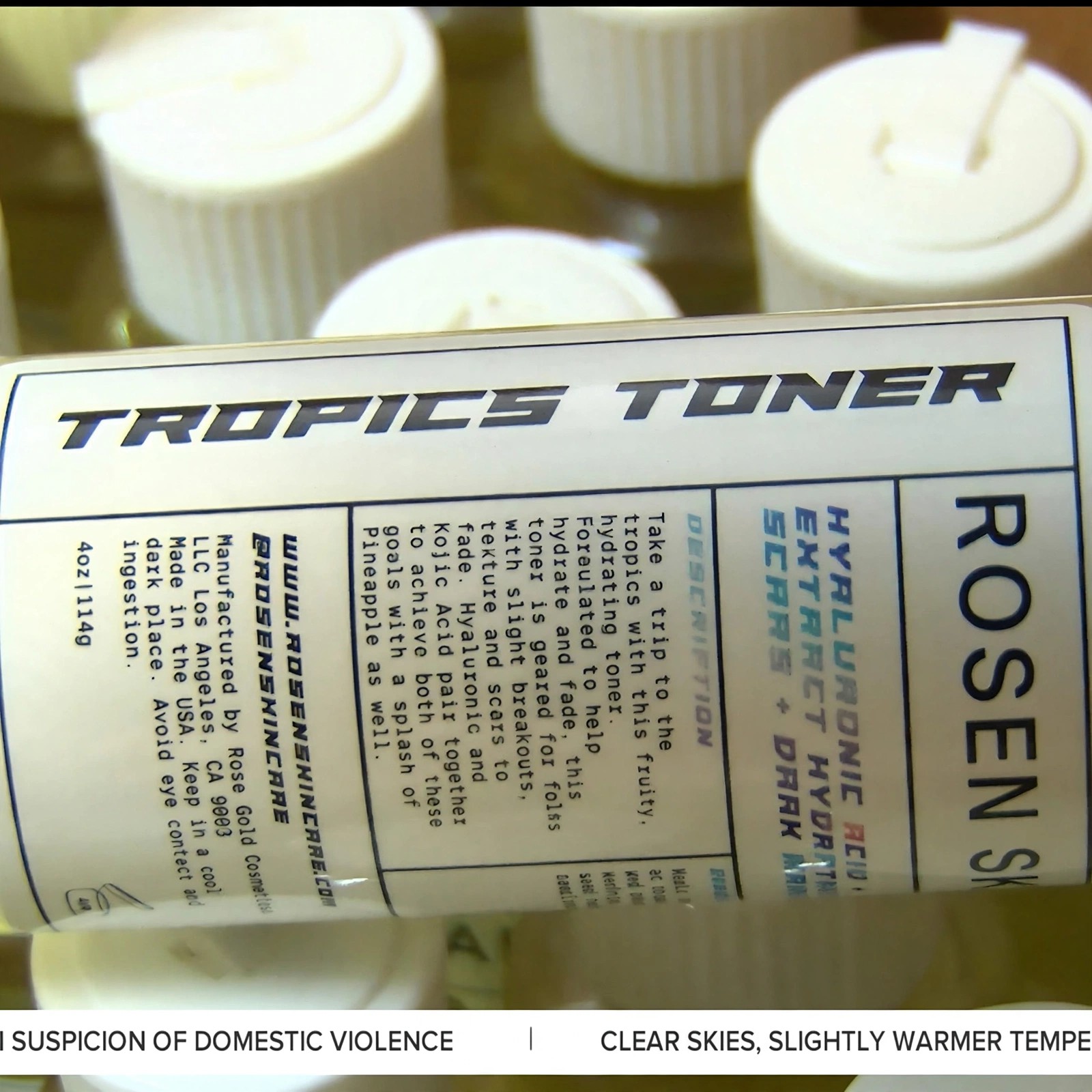
You joined the Target Takeoff accelerator cohort in April 2018 after a farmers market style start and a summer accelerator at UCLA. What did that early in person selling teach you that you still use when you formulate or name a product?
I participated in a summer accelerator program at my college, and that was super helpful to go from this farmers market set up. At a market table you learn fast. Someone holds the jar, smells it, asks if it burns, asks if it works on dark spots. You cannot hide behind claims. That time taught me to keep names clear and routines short. Earth says what it does. Honey Kojic says what is inside and what it is for. I also learned to commit to one channel at a time. We did Urban Outfitters early, then Target work, then a focused Ulta launch. Growth was gradual with no single breakout moment. Each step forced better labels, better counts and better answers to real questions. I still formulate with that table in mind. If I cannot explain an ingredient to a nineteen year old in one sentence, it probably does not belong in that formula.
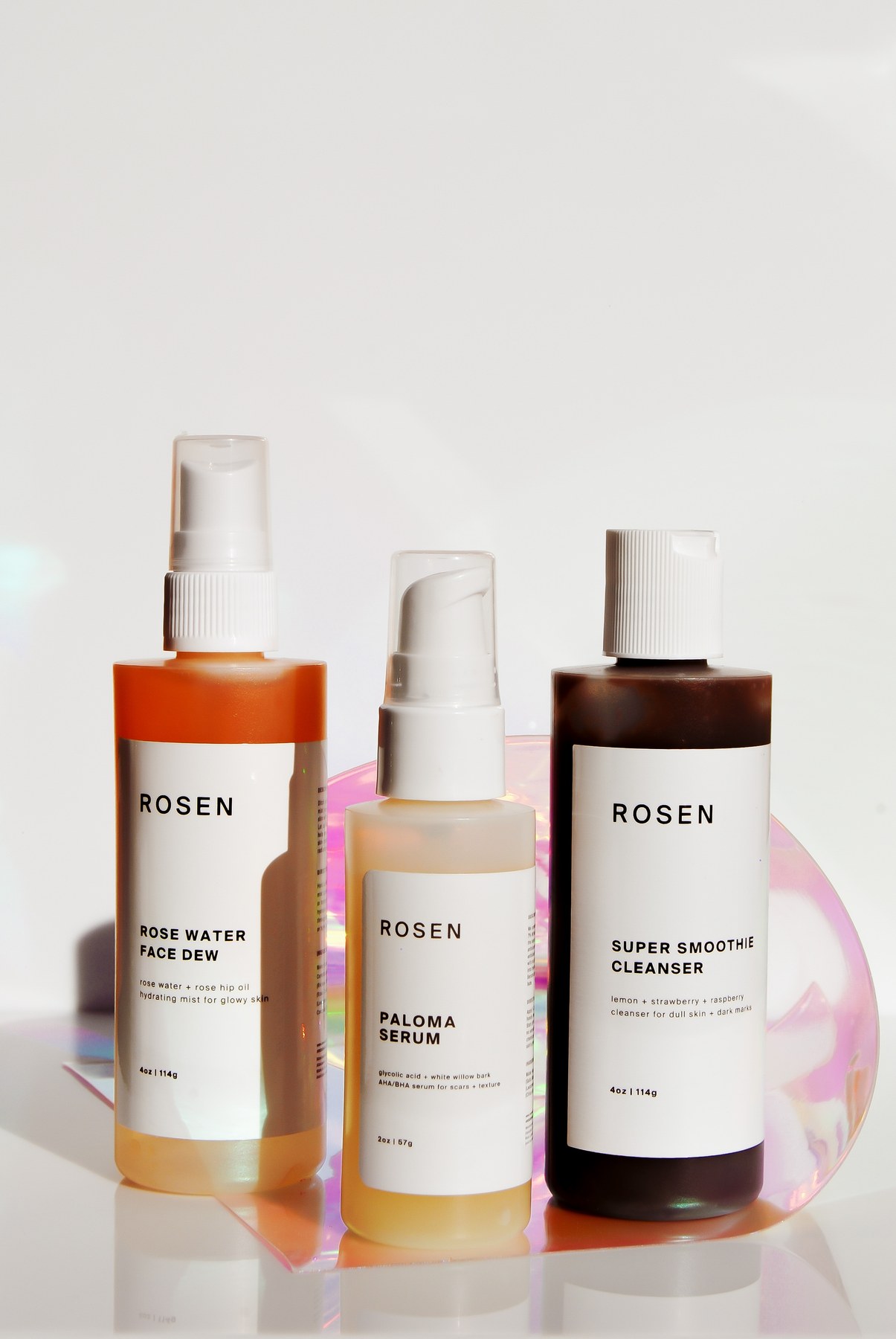
You launched in Ulta in April 2022 in about seven hundred stores with two new formulas for acne prone skin and hyperpigmentation. You have said the role of retailers is getting more diverse brands on shelves and that they are still figuring out how to work with an indie brand. How do you stay indie inside that scale?
The role of retailers is getting more diverse brands and founders on the shelves. I think what a lot of these retailers are still trying to figure out is how you work with an indie brand. That is still true. Launching in about seven hundred Ulta stores with two new formulas for acne prone skin and hyperpigmentation was a big step for a small team. We stayed indie by keeping our assortment tight and our story clear. We did not add twenty items to look big. We brought focused care for breakouts and the marks they leave. I target a seventy to seventy five percent margin because retailers can take up to fifty percent of price, and that math shapes every choice. You cannot pour costly botanicals at high levels across a huge line and survive that split. So we choose fewer formulas, clear sizes like four point three fluid ounces, and steady sellers we can support. Being indie is not about being small forever. It is about making decisions you can stand behind at scale.
You bootstrapped to one point seven million dollars in cumulative sales before raising two million dollars from the New Voices Fund in 2022, and you have said you have always known you wanted to sell Rosen with a five year exit horizon. What does building to sell change about how you run the brand day to day?
I have always known I wanted to sell Rosen. That sounds blunt, but it keeps me honest. Bootstrapping to one point seven million dollars taught me discipline. Raising two million dollars from the New Voices Fund gave us room to grow with care. A five year horizon means I think about repeat buyers, clean records and formulas that a future owner can make well. I do not chase one viral moment. I chase refills. Earth and Moonlight refill because they fit daily life. Honey Kojic and Super Smoothie refill because dark spots need steady care. Later I started Flora Studios in Austin, a formulation and manufacturing company for emerging BIPOC brands, because I saw how hard small runs are to place. Whether Rosen is made there or not, that work made me stricter about counts, testing and paperwork. Building to sell means building to last. If the brand can stand without me talking over it, then I did my job.
Closing note from the desk
What stays with us is the steadiness. Martin speaks like an operator who learned at a market table and kept that plain speech inside national retail. She does not promise perfect skin. She promises consistent care for acne prone, melanated skin, with botanicals chosen for a clear task and clinical support where it counts.
ROSEN Skincare set out to fill a shelf that had not changed in ten years. It did so with short formulas, visible faces and steady refills, from a clay cleanser to a light moisturizer to honey based brightness. The work continues in Austin, where small batch thinking meets large store reality.
Product spotlight
Earth Clearing Cleanser, $18.99 for 4.3 fl oz, is the daily wash for oily, breakout prone skin. Fuller’s earth clay helps lift excess oil while zinc oxide, tea tree and niacinamide support a clearer, calmer appearance. Use morning and night, massage over damp skin and rinse well before moisturizer.
Honey Kojic Illuminating Cleanser, $18.99 for 4.3 fl oz, is the second cleanse for the appearance of dark spots and uneven tone. Honey softens and supports comfort while kojic acid helps skin look brighter with steady use. Use once daily, massage for thirty seconds, rinse well and follow with moisturizer and sunscreen in daytime.

Erin Dunleavy
Erin produces the interviews: the research, the question lists, the follow-ups. She reads ingredient lists for fun and admits it.
More from Erin Dunleavy →