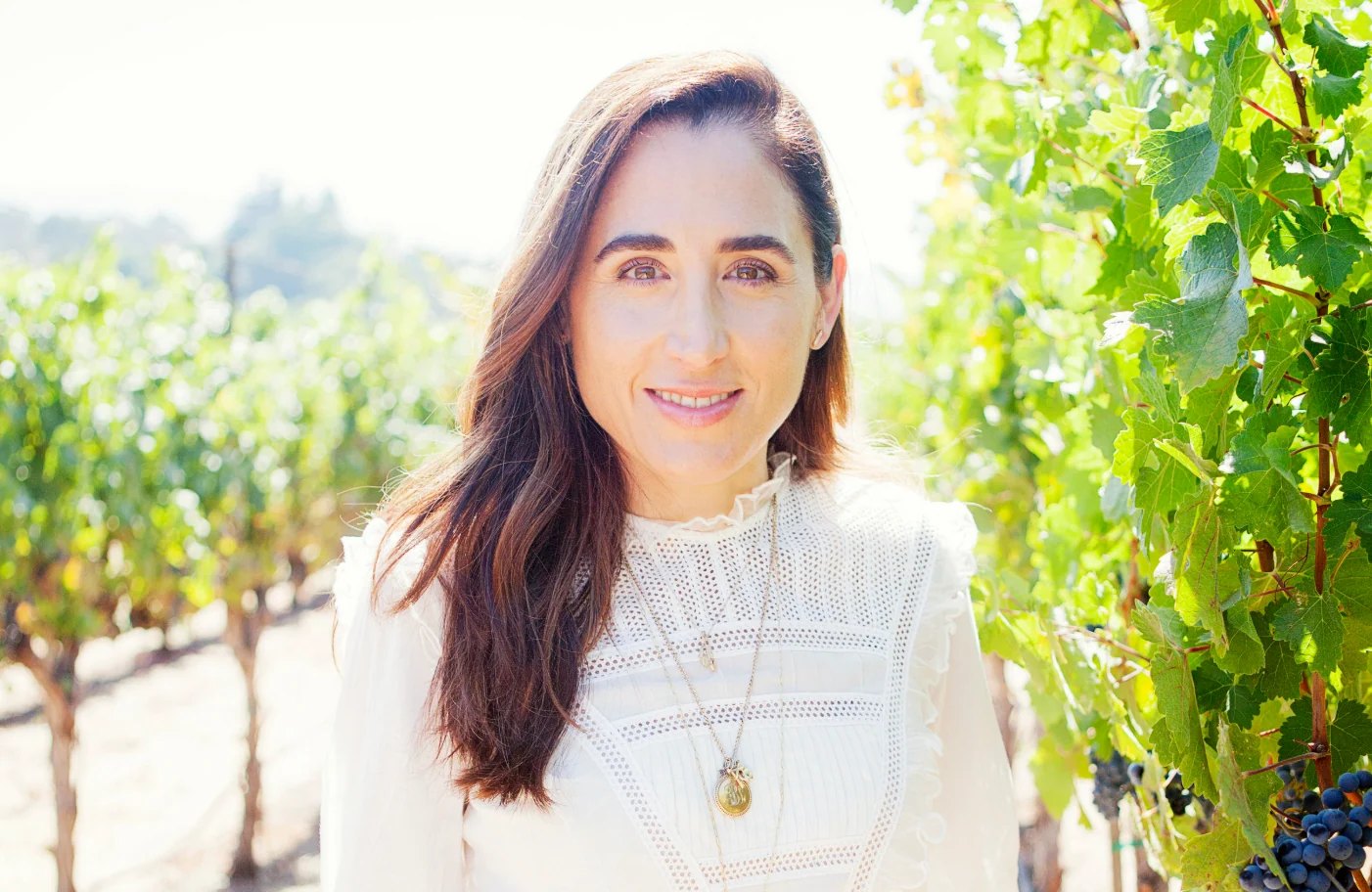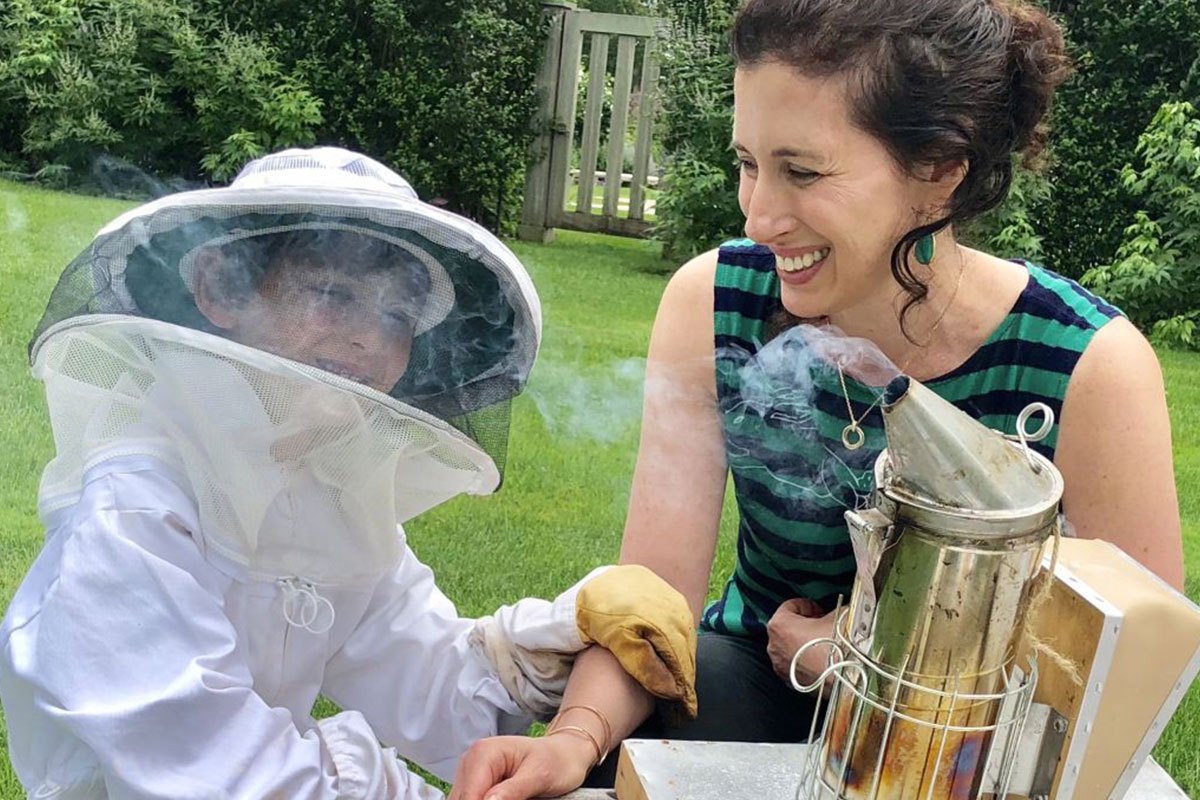
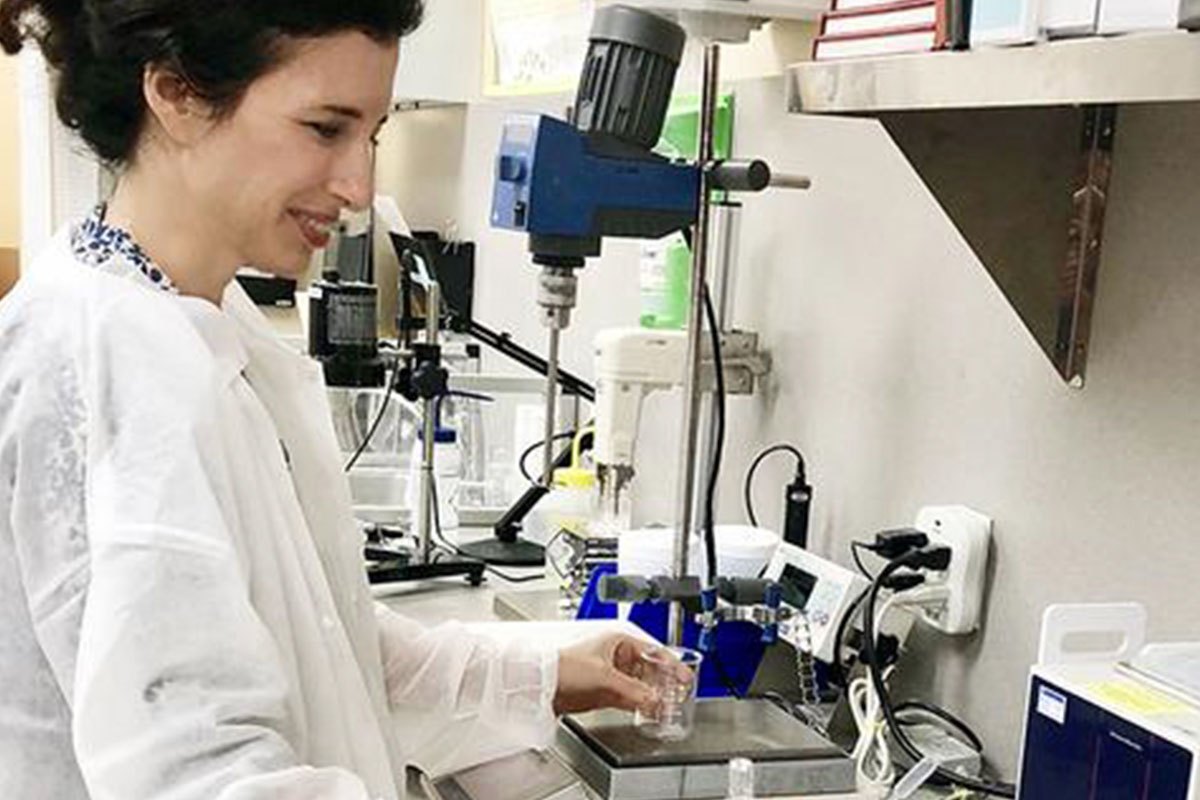
In a village in Paraguay, Kate Solomon stood with women farmers beside hives, teaching beekeeping and stirring beeswax and honey into simple soaps and lotions. Years later she would build Babo Botanicals from that same practice of close, patient making for family skin.
She is seven years old in the first scene she still describes, working bees with her father on the family beekeeping farm. The lesson was plain. What nature gives can be kept close and used with care. Candles came first, then care made with honey and beeswax, then two and a half years in Paraguay where she taught women farmers to keep bees and made soaps and lotions from what was at hand.
After she returned, Solomon spent more than a decade in product development at Avon, LVMH and Loreal. In 2007, while pregnant with her first child, she began to pursue plant and mineral based products. Her son called his stuffed security bunny Babo. She chose the name for the company she launched in 2010 with ten products across four ranges. Safety, comfort and security were the brief.
What we noticed, reading slowly through the range, is how little she moved from that brief. Babo Botanicals serves babies through adults with sensitive skin, refuses sulfates, parabens, phthalates, petrolatum and chemical UV filters such as oxybenzone, and builds its sun care around zinc oxide only. The work is family care rooted in plants, measured by tolerance rather than novelty.
You raised bees with your father from age seven and later taught beekeeping to women farmers during two and a half years in Paraguay, where you made soaps and lotions with beeswax and honey. What did that time teach you about working with natural materials that still shapes Babo Botanicals?
My work is integrated into my family. I grew up around our beekeeping farm and I raised bees with my father from the time I was seven. You learn early that you cannot hurry a hive. You watch, you wait, you keep your hands steady. Later I applied and was assigned to Paraguay in South America, where I spent two and a half years. I taught women farmers to bee keep and we made soaps and lotions with beeswax and honey. That was practical work. We used what we had, we made it cleanly, and we shared it. I wanted to merge social responsibility and my interest in developing products, but in plain terms it meant making something useful that did not harm the people using it or the place it came from. I was striving for a business using natural ingredients, and that standard started there. Beeswax teaches proportion. Honey teaches restraint. A little does the work if the base is sound. I still formulate that way, with certified organic botanicals and a short list of things we will never use.
You worked in product development for more than a decade at Avon, LVMH and Loreal, then in 2007 you began to pursue plant and mineral based products while pregnant with your first child. What changed in how you read a formula once it was for your own soon to be born baby?
In 2007, I began to pursue my dream of developing plant and mineral based products. I had begun to noodle the idea when I was pregnant in 2007. I saw a great opportunity in baby and kids hair, skin and sun care. It was not abstract. I also developed shampoos and lotions that I could use on my soon to be born baby. When you formulate for a newborn, every line on the ingredient list feels heavier. You ask whether a foam booster is needed, whether a scent is needed, whether a preservative system can be simpler. My years at Avon, LVMH and Loreal had taught me how to build elegant textures at scale, but they had also shown me how many extras go in for shelf appeal. I started removing them. We are a family brand and that positions us uniquely in the marketplace. We have products for babies through adults with sensitive skin. That range sounds broad until you see it as one household. One bathroom shelf, one standard of gentleness, no separate rules for a child and a parent.
Your son called his stuffed security bunny Babo, and you launched in 2010 with ten products across four ranges including moisturizing baby, swim and sport, lavender calming and lice repel. Why did comfort and security become the organizing idea rather than a single hero category?
My son called his stuffed security bunny Babo, and I kept the name because it meant safety, comfort and security. That felt more honest than naming the company after me or after an ingredient. From the start I wanted plant based care the whole family could trust, and that meant more than one problem. We launched in 2010 with ten products across four ranges, including moisturizing baby, swim and sport, lavender calming and lice repel. A family day moves through all of those needs. A morning wash, a playground, a swim lesson, bedtime. If the brand only solved sun, or only solved bath, parents would still have to mix standards. I preferred to set one standard and apply it across routines. Family Comes First is how we say it inside the company. Rooted in Nature, Growing with Purpose is the other phrase we return to. Both point to the same practice. Choose certified organic botanicals where they matter, keep zinc where protection matters, and leave out sulfates, parabens, phthalates and petrolatum every time.
You say zinc is safe and effective and that in the majority of your products you use zinc oxide only, refusing chemical UV filters such as oxybenzone. What made you hold that line when chemical filters are easier to make clear and light?
Zinc is such a safe and effective ingredient, and I really wanted to launch it. In the majority of our products, we use zinc oxide only. That choice is deliberate. Zinc sits on the surface and blocks UVA and UVB rays, and it suits the sensitive skin we formulate for, from babies through adults. Chemical filters can give a more transparent look and a lighter slip, and I understand why many brands choose them. But we would rather formulate for sensitive and eczema prone skin than chase scent or transparency. We would rather use certified organic and natural ingredients than cheaper chemicals. A parent should be able to apply sun protection to a child and then to her own face without changing logic. There is a texture tradeoff. Zinc can feel thicker and leave a cast if you do not blend it well with plant oils and butters. So we spend our effort there, in the blend, in how sunflower oil and shea butter carry the mineral, in how a lotion spreads and sets. The line holds because the customer holds it. They come to us for gentle care they can repeat daily.
You built a proprietary Nutri-Soothe complex of five certified organic botanicals that runs through many formulas. Which plants are in that blend, and what does each one do in the feel and function of a lotion or wash?
The complex brings together calendula, chamomile, kudzu, watercress and meadowsweet, all certified organic. I think of them as a field in a bottle, each with a role. Calendula and chamomile soften the feel and support comfort on dry or sensitive skin. They give a wash or lotion that calm slip rather than a squeaky finish. Kudzu and watercress bring a fresher, greener note to the base and help the formula feel balanced, not heavy. Meadowsweet helps tone the blend and keeps it from feeling flat. Steeped together they infuse the base so the zinc or the cleanser does not sit alone. You feel it on application. A baby lotion spreads without drag. A sunscreen presses in without pulling. We harvest that idea from simple infusions. Steep the plants, let them lend their character to the oil and water phases, then build around them. It is not decoration. It is how we keep a mineral formula wearable for a child who will ask to reapply, and for a parent who will wear it under makeup.
A little does the work if the base is sound.
Kate Solomon
In 2017 you added a fragrance free line for eczema prone skin on the baby side, then in 2018 you rolled out to 450 Whole Foods stores with growth in high double digits driven by mineral sunscreens. How did tending eczema prone skin change your approach to scent, lather and moisture?
We have products for babies through adults with sensitive skin, and the fragrance free work sharpened that promise. Eczema prone skin does not forgive extra scent or harsh foam. So we removed fragrance in that line and kept cleansing mild. Lather is where many baby washes go wrong for this group. A big, airy foam can strip. We chose softer cleansing that leaves skin calm, then layered moisture right away. A fragrance free baby lotion with plant oils, a face cream for dry cheeks, an ointment for cracked or chapped patches. The ritual matters as much as the formula. Short bath with lukewarm water, pat dry, seal with lotion while skin is still damp. In 2018, when we rolled out to 450 Whole Foods stores, growth in high double digits was driven by mineral sunscreens. That told us families were reading labels in the sun aisle the way they already did in bath. Sensitive skin needs the same steady standard in sun, wash and moisture. No separate rules.
In 2018 you also expanded nationally and added products for adults with sensitive and eczema prone skin. How do you scale a baby standard to an adult face without making it feel thin or basic?
We started with baby and kids hair, skin and sun care, but a mother uses what she buys for her child. She tries the lotion on her hands. She borrows the sunscreen. So expanding to adults with sensitive and eczema prone skin felt natural. The standard stays the same. No sulfates, no parabens, no phthalates, no petrolatum, no chemical UV filters such as oxybenzone. What changes is texture and finish. An adult face wants a fluid that layers under makeup, a tint that softens the look of zinc, a milk that hydrates without shine. We keep the Nutri-Soothe base and the zinc, then adjust the carrier oils and the feel. Sunflower oil and shea butter in the body lotion give richer cushion. Lighter fluids for the face spread thin and set clean. The soil is the same, the harvest is styled differently. A baby needs comfort. An adult with sensitivity needs comfort that looks polished. Both need a formula they can use every morning without debate.
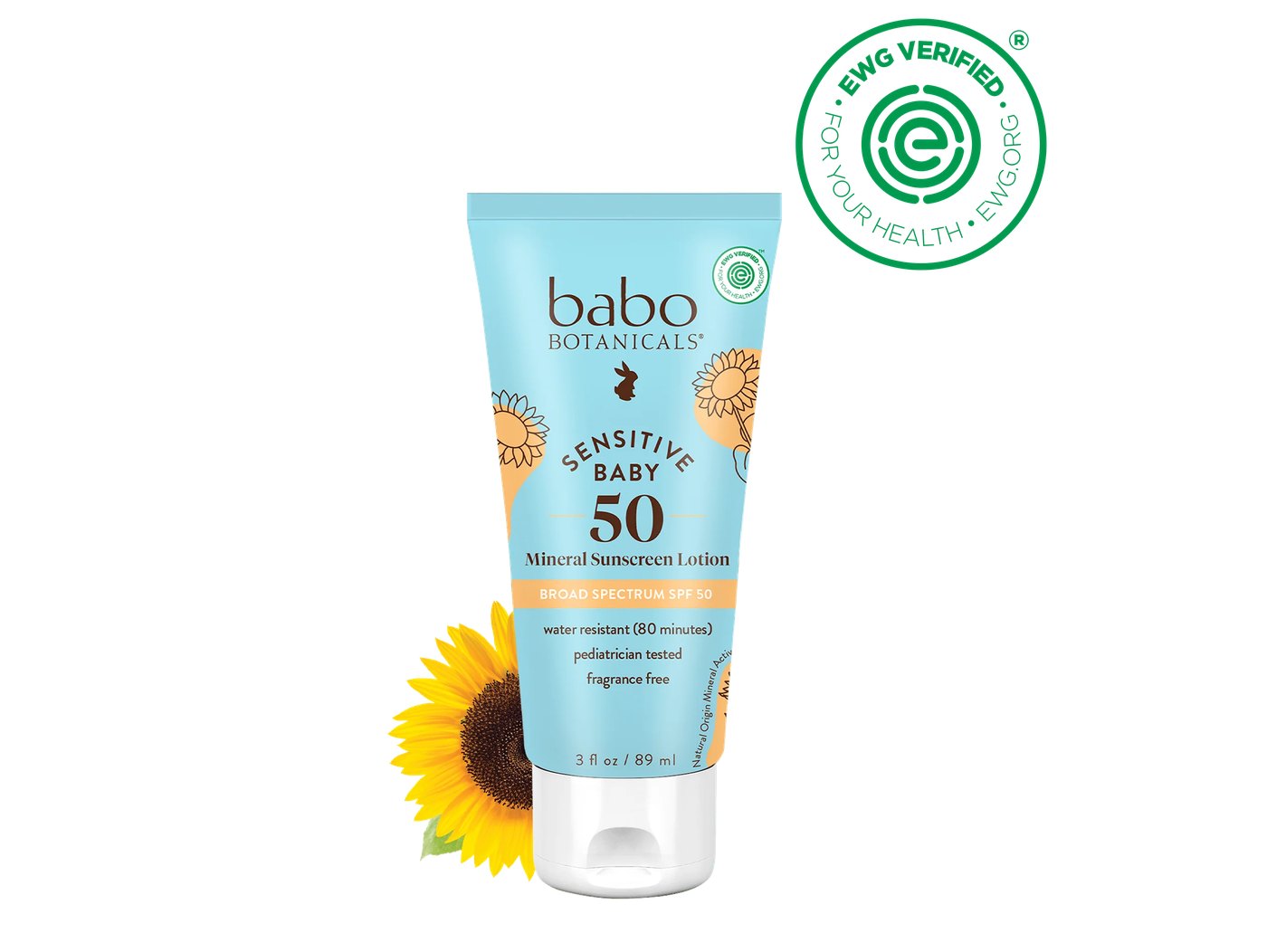
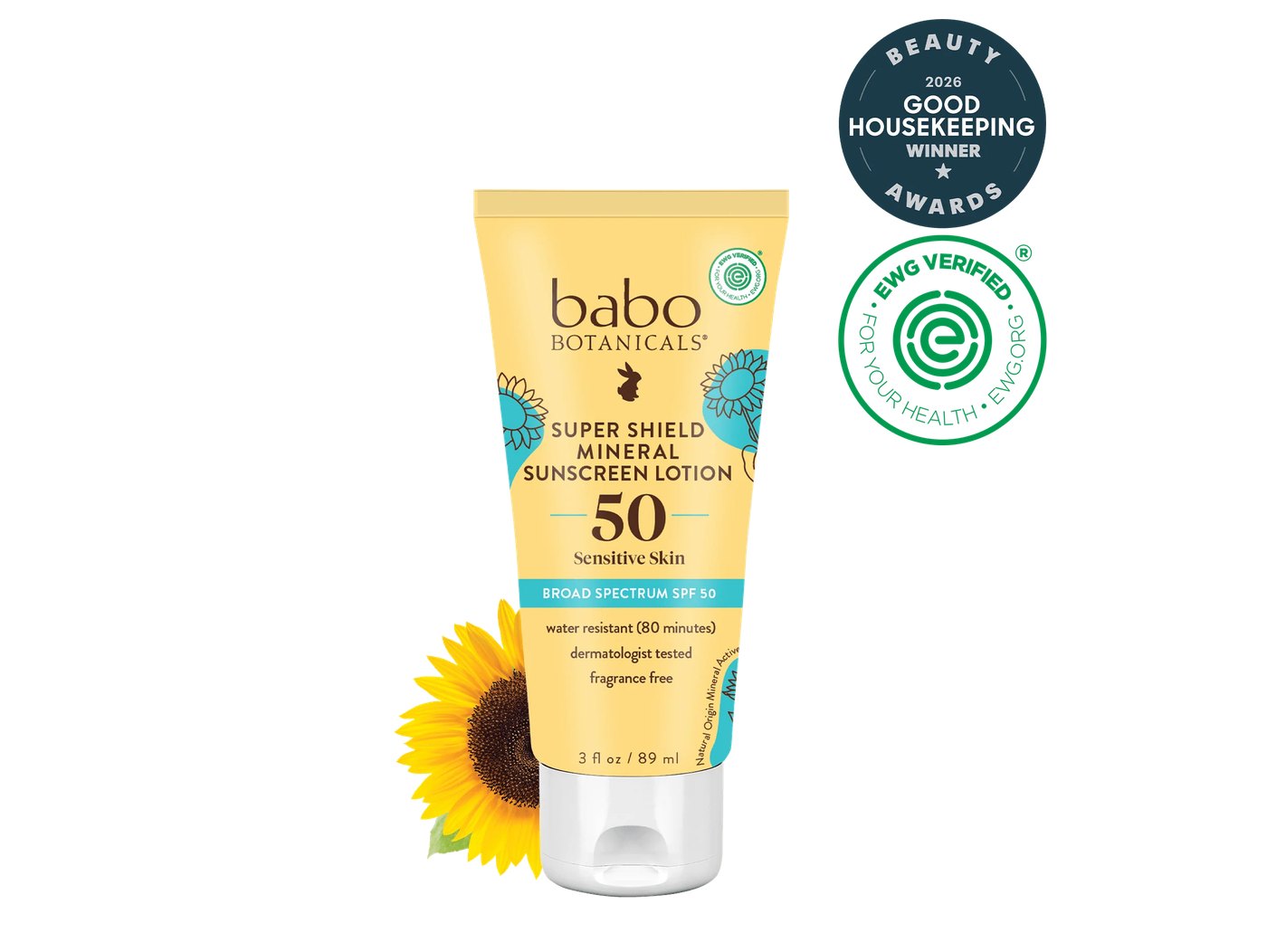
Your Sensitive Baby Mineral Sunscreen Lotion SPF50 and your Super Shield Sunscreen Lotion SPF50 are both bestsellers at 19 dollars, one for babies and one for sensitive skin generally. How should a family use them differently across face, body and reapplication?
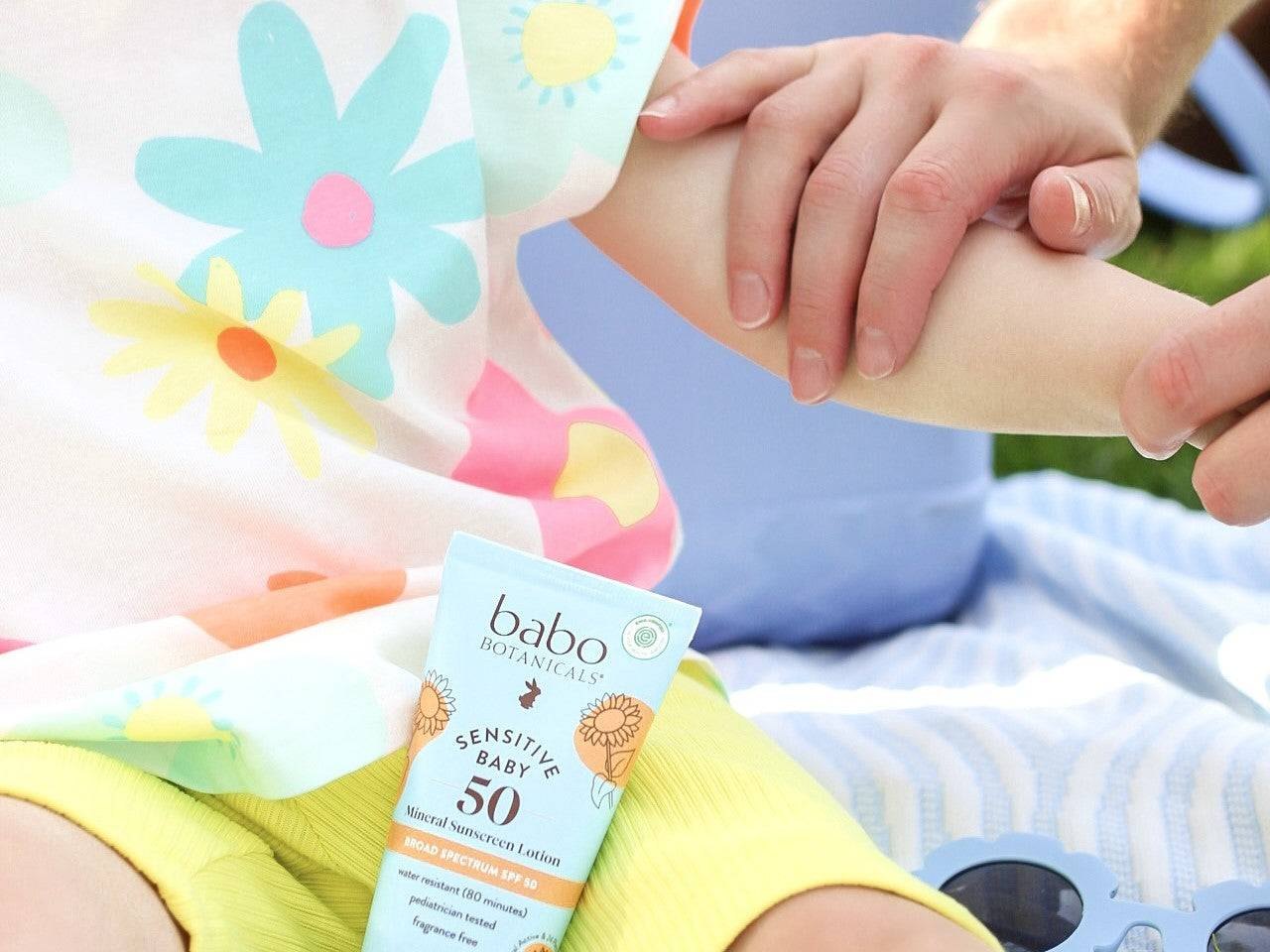
Think of them as two rows in the same field. Sensitive Baby Mineral Sunscreen Lotion SPF50 is our gentle baby sunscreen you can trust, made with natural origin mineral zinc oxide and water resistant for sensitive skin. Apply lotion to face and body for sun protection, in a full, even layer before you go out. Take time on ears, neck and tops of feet. Reapply after swimming or sweating and through the day. Super Shield Sunscreen Lotion SPF50 is our gentle sun protection you can trust for sensitive skin more broadly, made with 24 plant based ingredients including sunflower oil and shea butter. Apply lotion to skin for sun protection in the same careful way, and enjoy that it doubles for the whole household. I tell parents to keep one in the beach bag and one by the front door. The ritual is simple. Shake if needed, warm between palms, press and smooth until the veil is even. Zinc works when it forms that even barrier. A thin, rushed layer is the most common reason for burn, even with SPF50.
Your Daily Sheer Tinted Mineral Sunscreen Fluid SPF50 at 24 dollars brings zinc to the face in a lightweight tinted fluid for daily wear. What did you learn about tint, slip and layering when moving zinc from the beach bag to the morning routine?
The face asks for more. It asks for slip, for a tint that eases the pale cast of zinc, for a fluid that sits well under makeup or alone. Daily Sheer Tinted Mineral Sunscreen Fluid SPF50 is our tinted mineral sunscreen for face you will want to wear every day, made for sensitive skin as a lightweight zinc oxide formula with broad spectrum SPF50. Apply daily to face for sun protection as the last step of morning care. The lesson was in layering. Cleanse, moisturize lightly if needed, then smooth a coin sized amount over face and neck and let it set before makeup. If you stretch it too thin to avoid color, you lose protection. So the tint has to match a range of tones well enough that people apply enough. Infuse the base with plants so it glides, keep the mineral veil even, and let the tint do the quiet work of making zinc part of a ritual rather than a chore. That is how zinc leaves the beach bag and joins the vanity.
Closing note from the desk
What stays with us is the steadiness of the practice. Solomon learned tending, then taught tending, then bottled tending. The hives, the Paraguay years, the decade in large beauty houses, the pregnancy in 2007, the bunny named Babo, the ten products in 2010, the move into 450 Whole Foods stores in 2018. Each step kept the same soil.
Babo Botanicals set out to give families with sensitive and eczema prone skin health and beauty solutions that do not compromise family health or the environment. Read slowly, that promise looks like zinc held with care, plants steeped with intent, and a morning layer smoothed evenly over small shoulders and adult cheeks alike.
Product spotlight
Sensitive Baby Mineral Sunscreen Lotion SPF50, 19 dollars. A water resistant mineral lotion made with natural origin zinc oxide for sensitive baby skin. Smooth evenly over face and body before sun, covering ears, neck and feet, and reapply after swimming, sweating or through the day.
Super Shield Sunscreen Lotion SPF50, 19 dollars. A mineral lotion for sensitive skin made with 24 plant based ingredients including sunflower oil and shea butter. Warm between palms and press over exposed skin as the household daily sun layer, reapplied with time outdoors.

Erin Dunleavy
Erin produces the interviews: the research, the question lists, the follow-ups. She reads ingredient lists for fun and admits it.
More from Erin Dunleavy →