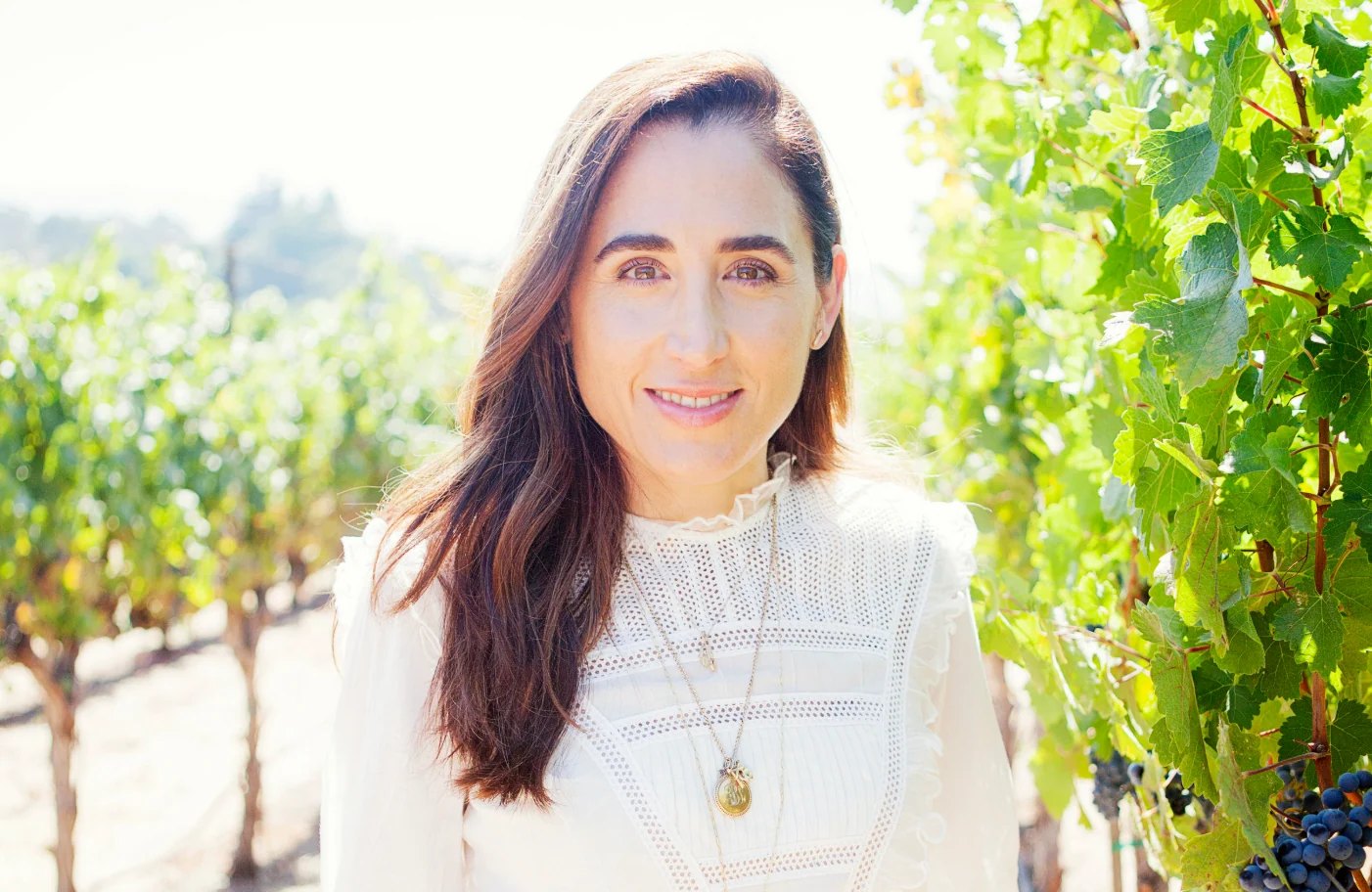
Alpyn Beauty began not with a launch plan but with stressed skin at altitude. After two decades in New York beauty, Kendra Kolb Butler opened small apothecaries in Jackson Hole, watched returns climb past 30 percent, and started steeping local wild plants into clinical bases. What followed is a slow study in harvesting, hydrating and repair.
In 2015 Kendra Kolb Butler made the decision that still shapes every formula she makes. She left New York after about twenty years in beauty, packed up with her husband, baby boy and German Shepherd, and moved to Jackson Hole in search of open space, fresh air and serenity. She thought she was done with beauty.
Within weeks she missed it. She opened local beauty apothecaries called Alpyn Beauty Bar and stocked 36 outside lines. Then the mountain made its case. Women came in with skin distressed by altitude, sun, low humidity and temperature shifts. Returns on skincare ran over 30 percent. Her own skin changed too, and products she had trusted stopped performing the same way.
What she noticed next is the thesis of this conversation. Sitting in her backyard she watched indigenous wild plants look juicy, thriving and plump despite the same climate. She began testing those plants in a clinical base through her stores and trial locations around the country. Samples of the original Melt Moisturizer created local demand before Alpyn Beauty became a brand in 2018.
Today Alpyn Beauty describes its work as clean clinical formulas magnified by sustainably hand harvested Jackson Hole mountain plants. The phrases recur across her interviews. Nature is medicine. Born in the wild. Built for the barrier. No harm harvesting. Calm, plainspoken and reverent toward nature, Butler pairs familiar clinical ingredients with plants few formulators have touched, and she refuses to make anything drying.
You left New York in 2015 after about twenty years in beauty, including ten to fifteen years with Dr. Dennis Gross Skincare, and you thought you were done. What pulled you back within weeks of arriving in Jackson Hole.
Everything. I never intended to do a skincare line. I left New York and thought I was done with beauty, but after a couple of weeks, I missed it. I had spent twenty years in sales, marketing and public relations at luxury companies. It was in my blood. So I opened the Alpyn Beauty Bars, small local apothecaries, and I stocked 36 outside lines that I loved and trusted.
Then they say that necessity is the mother of invention. Women were coming in with distressed skin from this climate. Returns were over 30 percent, which is unheard of. My own skin changed too. Moving to Jackson Hole changed everything. In my backyard, I discovered bioadaptive plants that had thrived for hundreds of years in extreme conditions. They looked juicy and plump while our skin felt tight and dry. I began blending these mountain plants with clinically proven ingredients and saw skin transform in real time. If it worked in Jackson Hole, I knew it would work anywhere.
Your stores stocked 36 lines and returns ran over 30 percent. What did that failure teach you about what mountain skin actually needed.
It taught me to look at the base before the active. Women were buying beautiful products and bringing them back because their skin still felt stripped, red looking or rough. Altitude, sun, low humidity and those swings from cold mornings to warm afternoons ask a lot of the barrier. If the barrier looks compromised, everything else looks harder. Fine lines look deeper. Tone looks uneven.
I started simply. I would take wild plants I had watched from my backyard and test them in a clinical formula base through the stores and with trial locations around the country. I began with hydration first. I will not make drying formulas without a hydrating base. That is a rule for me. Hyaluronic acid, squalane, ceramides, those are the quiet workers that help skin look calm and supple while the plants do their part. The original Melt Moisturizer samples went to local women first. They asked for more before we had a brand. That told me we were solving the right problem.
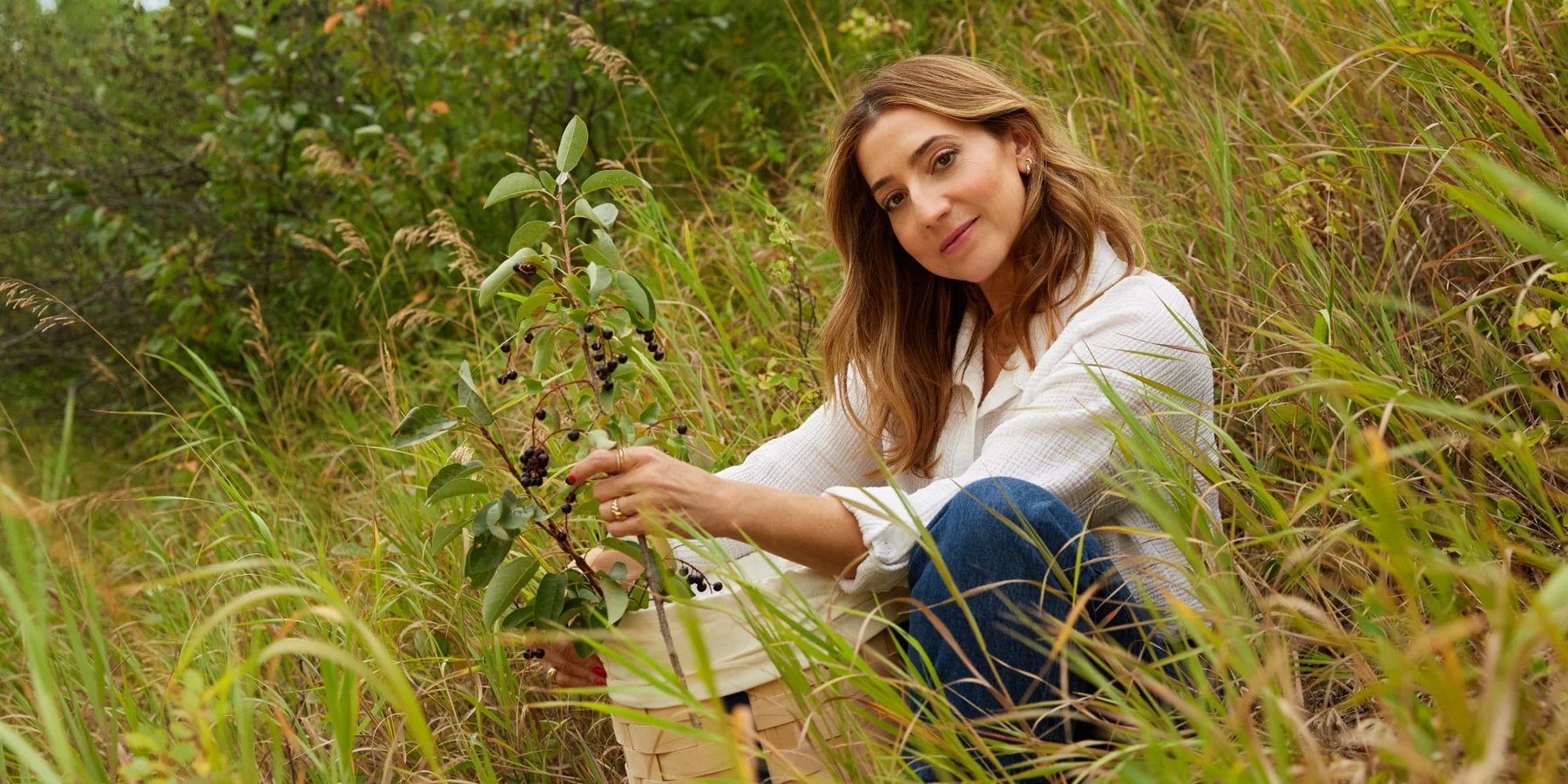
You have said you have 200 species of wild plants growing on your property and only two, maybe three, have ever seen a skincare formula. Why did that untapped field matter more than a known botanical library.
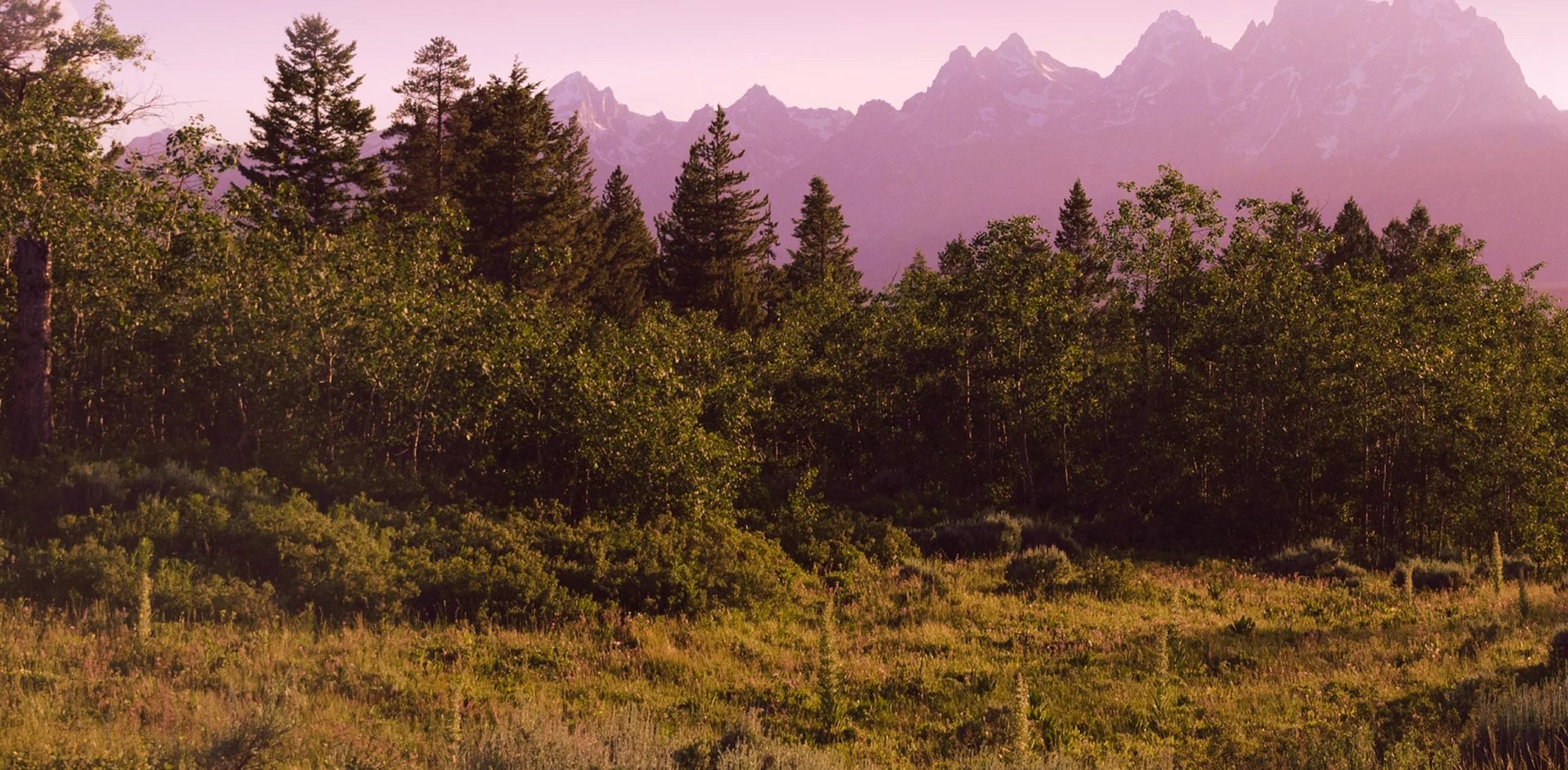
There is a lot of undiscovered medicine in nature and in the wild. That sentence guides me. I have 200 species of wild plants growing on my property in Jackson Hole, and only two of them, maybe three, have ever seen a skincare formula. Think about what that means. Most libraries pull from the same familiar extracts. They are lovely, but they are limited.
I kept returning to plants that survive the hardest conditions. Ghostberry. Wild nettle. Arnica. Plants that live through snow, wind, intense sun and short seasons. My belief is simple. I believe in clinical ingredients and I use them in all of my formulas, but when clinical hits a wall and cannot go any further, it is my belief that these wild plants are what can really push results even further. They bring a different kind of support for the appearance of calm and resilience. For me, formulation starts in the field, watching what thrives, then asking how to steep that strength gently into a base skin recognizes.
You call your method no harm harvesting and describe trimming live plants without touching root systems. What does that look like in practice at peak potency.
We use a circular harvesting method that we call no harm harvesting. We sustainably hand harvest mountain plants in Jackson Hole at peak potency, then infuse them into clean clinical formulas. In practice it means we trim, we do not pull. We take leaves and aerial parts and leave the plant in the ground. We will not remove wild plants from the ground or touch root systems.
Peak potency is about timing. You watch the season. You go when the plant looks vital, not too early and not stressed. You take a little from many plants rather than a lot from one. You leave roots intact so the stand returns next year. I would rather trim wild plants and leave roots intact than remove whole plants. It is slower. It limits how much we can make in a season. But it keeps the field alive. I hope they take away that nature is medicine. It is all around us and it can be extremely healing. That only holds if we give back to rewild national parks and take with care.
When clinical hits a wall and cannot go any further, it is my belief that these wild plants are what can really push results even further.
Kendra Kolb Butler
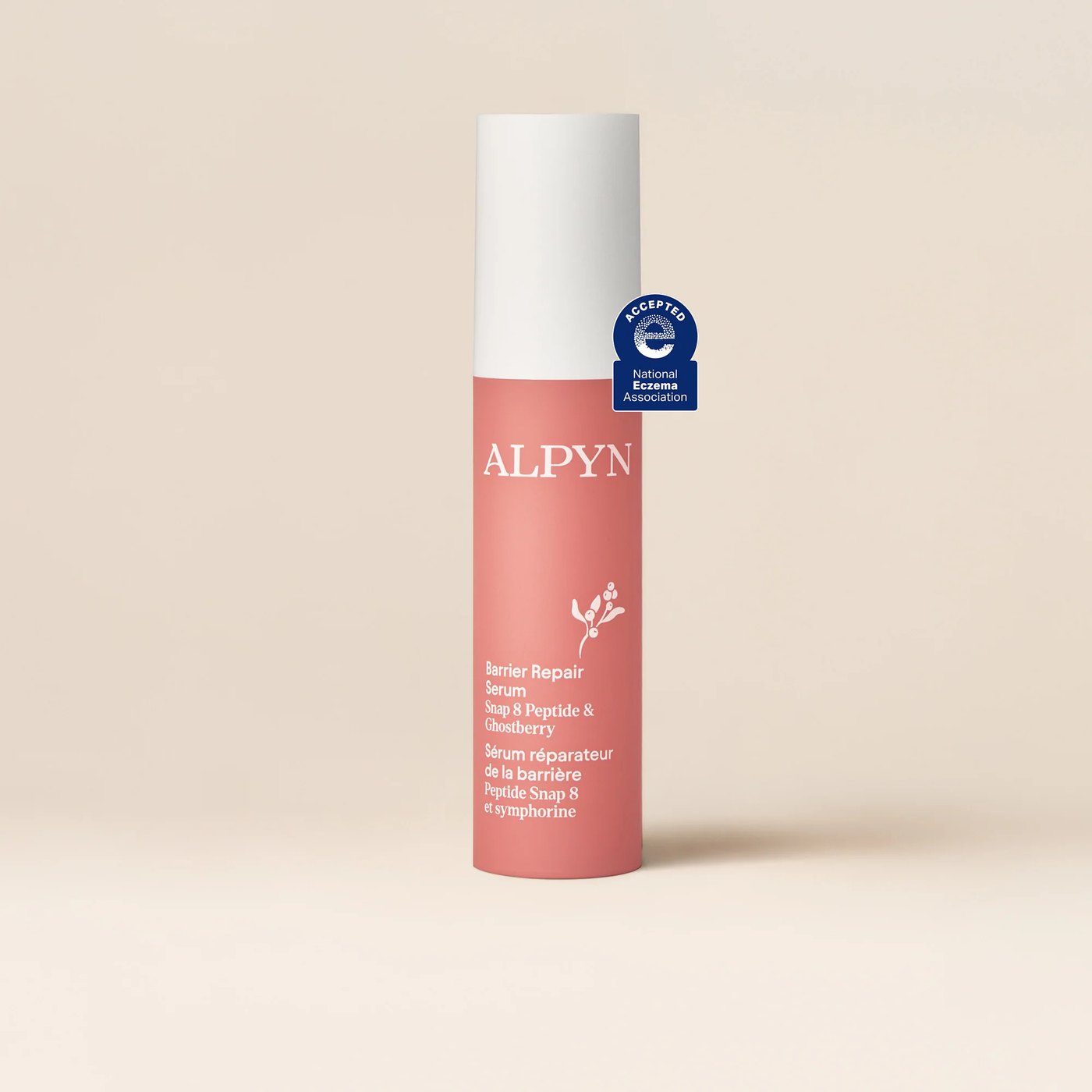
You insist on pairing clinical actives with wild plants rather than using clinical actives alone. How do azelaic acid, SNAP-8 peptide and Ghostberry work together in the 3-in-1 Barrier Repair Serum you launched in 2026.
I would rather pair clinical actives with wild plants than use clinical actives alone. The 3-in-1 Barrier Repair Serum is a clear example. It pairs azelaic acid and SNAP-8 peptide with wild harvested Ghostberry. It is clinically proven to improve the look of dark spots and hyperpigmentation, smooth the look of wrinkles and reduce visible redness. Those are three concerns that often show up together when the barrier looks stressed.
I start with a hydrating base so the formula does not feel drying. Then the clinical ingredients do their familiar work for the appearance of tone and texture, and Ghostberry, which knows how to hold on through mountain extremes, supports the look of calm. Apply as a serum step after cleansing, before moisturizer. For me it is about layering strength. Clinical gives structure. Wild gives resilience. Skin at its peak does not look tight or shiny. It looks hydrated, even looking and comfortable through the day.
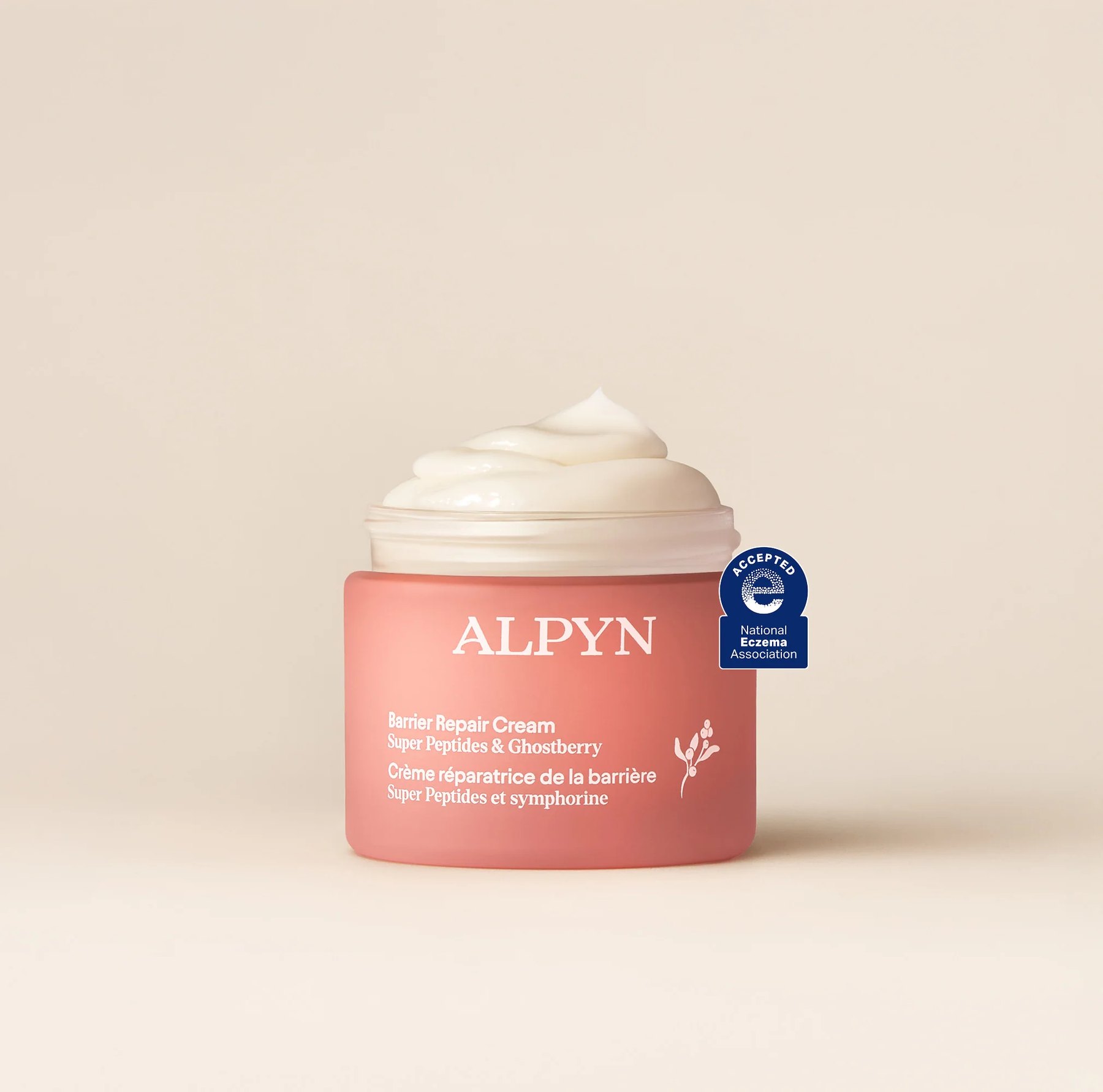
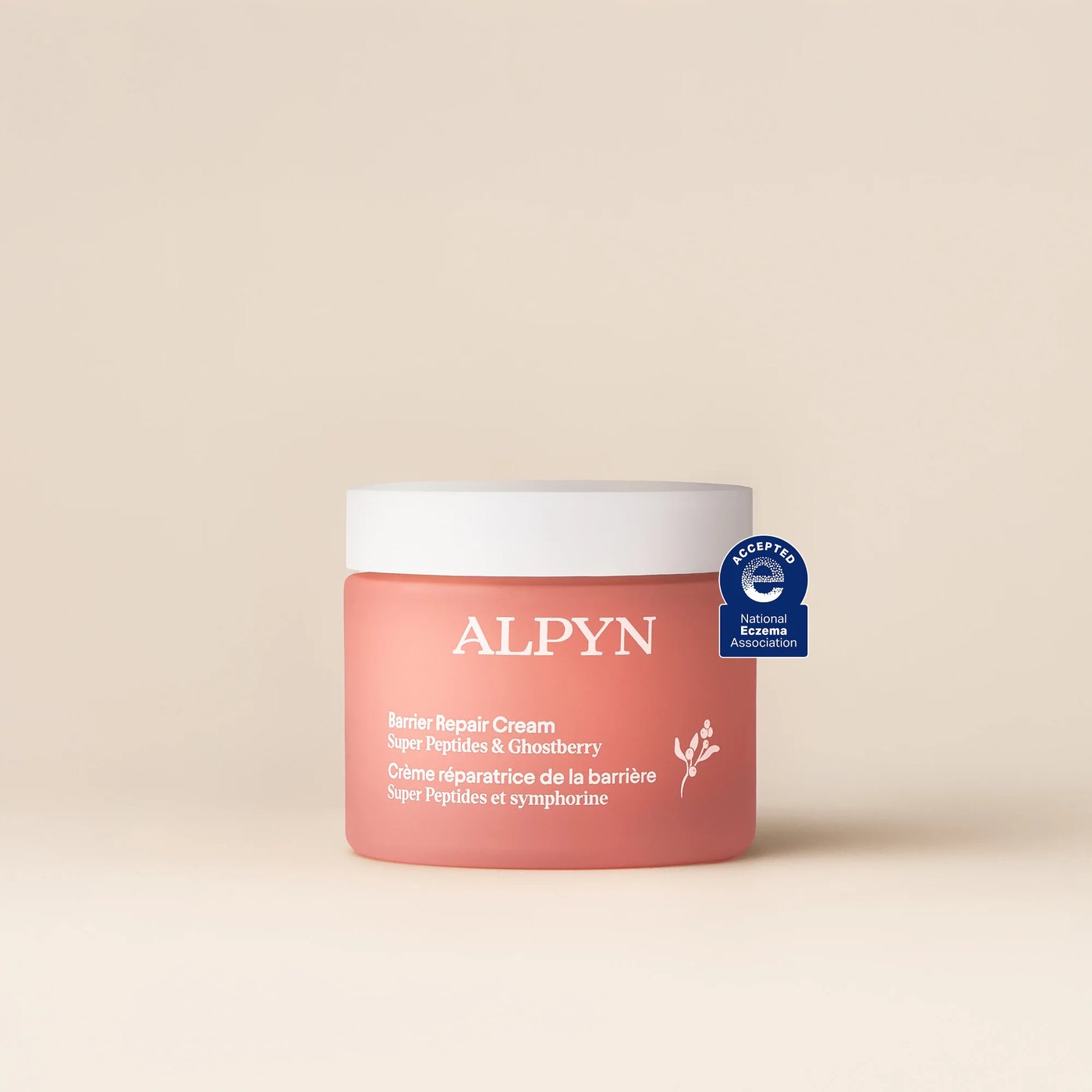
Your Barrier Repair Cream with ceramides, Ghostberry and peptides is listed as a bestseller and core moisturizer. What ritual did you formulate it for, and how should someone use it morning to night.
That cream is the center of the routine. It is a rich, replenishing cream with ceramides, Ghostberry and peptides to hydrate and relax the appearance of wrinkles. I made it for dry, distressed skin first, but it suits anyone who wants calm, hydrated, resilient looking skin. Use it as the daily moisturizer step, morning and night after serum.
In the morning I press a small amount over serum and let it settle before sunscreen and makeup. At night I use a fuller layer. The texture melts in with a velvety finish rather than sitting heavy. If skin looks especially parched after wind or travel, I add a second thin veil on cheeks and neck. I will not make anything without that hydrating cushion. Ceramides and peptides support the look of smoothness. Ghostberry brings that mountain calm. Barrier first, everything else second. That order has never failed me.
Melt Moisturizer with hyaluronic acid, squalane and wild plants created local demand before Alpyn Beauty existed. What do you remember about those first samples and why does that texture still matter.
I remember handing out samples of the original Melt and waiting. Women came back and asked where they could buy it. We did not have a brand yet. We had a store and an idea. That demand told me the texture was right. It melts in with a velvety, makeup ready finish that hydrates and nourishes dry skin. It never felt greasy or tight.
Texture matters because ritual matters. If a cream pills, or feels heavy, or leaves skin looking shiny in the wrong way, you will not reach for it. I wanted something you could apply as a daily moisturizer and forget, in the best sense. Hyaluronic acid and squalane give that slip and softness. The wild plants give it character. Even now, with ten products including moisturizers, serums, cleansers, masks and a peel, Melt reminds me to keep the daily step simple. Hydrate well, then let the rest of the routine build.
Super Sculpt Serum won attention as a lightweight gel for the face and neck. Why formulate a neck treatment as a gel, and what change in appearance should users watch for.
The neck shows change early and it dislikes heavy layers. So we made a lightweight gel serum that helps firm the appearance of the face and neck, giving skin a smoother look. A gel spreads cleanly, layers under moisturizer, and does not catch on collars or scarves. It was named an award winner for neck treatment, which meant a lot because the neck is often forgotten.
Apply as a lightweight serum for face and neck, stroking upward and pressing in. What to watch for is the appearance of firmness and smoothness, not a pulled feeling. Skin should look hydrated and more even, with the look of fine lines softened. I like it morning and night under Barrier Repair Cream or Melt. It is a small ritual. Chin to collarbone, slow and steady. The field teaches patience. So does the neck.
You have grown from one local moisturizer to an assortment described in 2023 as ten products including cleansers, masks and a peel. How do you keep wild harvesting honest as the line grows.
By accepting limits. We hand harvest at peak potency and we trim without touching roots. That sets the ceiling. If a season is short, we make less. I would rather do that than stretch an infusion past its character or buy a different plant and call it the same. Growth has come from careful layering, not from forcing the field.
The assortment grew because the routine asked for it. A hydrating cleanser that does not strip. A peel that buffs and brightens without leaving skin looking raw. Serums that target the look of dark spots, redness and expression lines. Each one starts with a hydrating base. Each one carries wild plants where they make sense. And we keep giving back to rewild national parks rather than only taking from nature. Born in the wild is not a slogan to me. It is a practice. Built for the barrier is the result you should see in the mirror.
Closing note from the desk
What stays with us after this conversation is the order of operations. Hydration first. Barrier first. Field first. Butler did not chase rare for its own sake. She watched which plants stayed plump when air was thin and dry, then learned how to trim them cleanly and steep them into bases skin already understands.
Alpyn Beauty set out to make calm, hydrated, resilient looking skin possible in a place that tests it daily. If it worked in Jackson Hole, she says, it would work anywhere. Read slowly, that claim feels less like marketing and more like method. Start with the barrier. Return to the field. Repeat.
Product spotlight
Barrier Repair Cream, 62 dollars for full size 1.7 oz 50 ml and 25 dollars for travel size 0.5 fl oz 15 ml. A rich daily moisturizer with ceramides, Ghostberry and peptides to hydrate and soften the appearance of wrinkles. Use morning and night as the moisturizer step after serum, pressing a small amount over face and neck until settled.
3-in-1 Barrier Repair Serum, 58 dollars. A lightweight serum step shown to improve the look of dark spots and hyperpigmentation, smooth the look of wrinkles and reduce visible redness. The blend pairs azelaic acid and SNAP-8 peptide with wild Ghostberry. Apply after cleansing and before moisturizer, morning and night.

Erin Dunleavy
Erin produces the interviews: the research, the question lists, the follow-ups. She reads ingredient lists for fun and admits it.
More from Erin Dunleavy →